
Trader consensus overwhelmingly favors no Iranian regime collapse by March 31, reflecting the absence of widespread protests or military defections since the 2022-23 Mahsa Amini unrest, which security forces effectively suppressed through arrests and internet blackouts. Recent escalations in proxy conflicts—involving Hezbollah, Houthis, and Hamas—have reinforced the regime's narrative of external threats, bolstering internal cohesion amid ongoing U.S. sanctions and economic pressures that have not yet triggered systemic breakdown. Supreme Leader Khamenei's firm control and loyal Islamic Revolutionary Guard Corps further anchor stability, with historical precedents showing resilience against similar stressors. Realistic shifts could stem from a sudden leader health crisis, massive uncoordinated uprisings, or direct foreign military intervention, though each faces steep barriers in the tight timeline.
Experimental AI-generated summary referencing Polymarket data · Updated$49,405,755 Vol.
$49,405,755 Vol.
$49,405,755 Vol.
$49,405,755 Vol.
This requires a broad consensus of reporting indicating that core structures of the Islamic Republic (e.g. the office of the Supreme Leader, the Guardian Council, IRGC control under clerical authority) have been dissolved, incapacitated, or replaced by a fundamentally different governing system or otherwise lost de facto power over a majority of the population of Iran. This could occur via revolution, civil war, military coup, or voluntary abdication, but only qualifies if the Islamic Republic no longer exercises sovereign power.
Routine political events such as elections, reforms, or leadership succession do not qualify. Internal coups or power shifts that preserve the Islamic Republic’s core structures also do not qualify. Only a clear break in continuity—such as a new provisional government, revolutionary council, or constitution replacing the Islamic Republic will qualify.
Partial loss of territory or challenges from rebel or exile groups will not qualify unless the Islamic Republic no longer administers the majority of the Iranian population within Iran.
The resolution source will be a consensus of credible reporting.
Market Opened: Dec 17, 2025, 5:59 PM ET
Resolver
0x65070BE91...This requires a broad consensus of reporting indicating that core structures of the Islamic Republic (e.g. the office of the Supreme Leader, the Guardian Council, IRGC control under clerical authority) have been dissolved, incapacitated, or replaced by a fundamentally different governing system or otherwise lost de facto power over a majority of the population of Iran. This could occur via revolution, civil war, military coup, or voluntary abdication, but only qualifies if the Islamic Republic no longer exercises sovereign power.
Routine political events such as elections, reforms, or leadership succession do not qualify. Internal coups or power shifts that preserve the Islamic Republic’s core structures also do not qualify. Only a clear break in continuity—such as a new provisional government, revolutionary council, or constitution replacing the Islamic Republic will qualify.
Partial loss of territory or challenges from rebel or exile groups will not qualify unless the Islamic Republic no longer administers the majority of the Iranian population within Iran.
The resolution source will be a consensus of credible reporting.
Resolver
0x65070BE91...Trader consensus overwhelmingly favors no Iranian regime collapse by March 31, reflecting the absence of widespread protests or military defections since the 2022-23 Mahsa Amini unrest, which security forces effectively suppressed through arrests and internet blackouts. Recent escalations in proxy conflicts—involving Hezbollah, Houthis, and Hamas—have reinforced the regime's narrative of external threats, bolstering internal cohesion amid ongoing U.S. sanctions and economic pressures that have not yet triggered systemic breakdown. Supreme Leader Khamenei's firm control and loyal Islamic Revolutionary Guard Corps further anchor stability, with historical precedents showing resilience against similar stressors. Realistic shifts could stem from a sudden leader health crisis, massive uncoordinated uprisings, or direct foreign military intervention, though each faces steep barriers in the tight timeline.
Experimental AI-generated summary referencing Polymarket data · Updated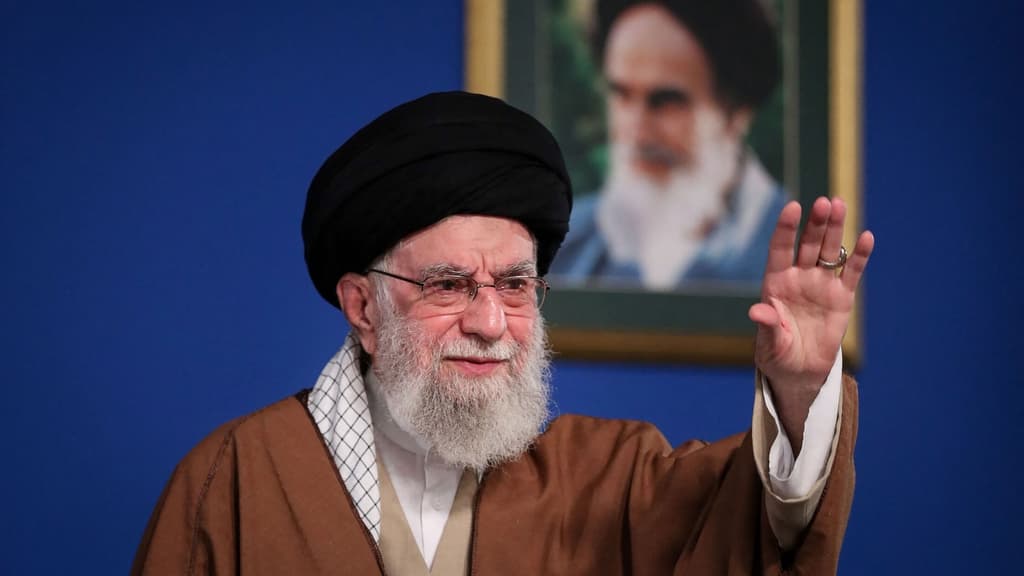


Beware of external links.
Beware of external links.
Frequently Asked Questions