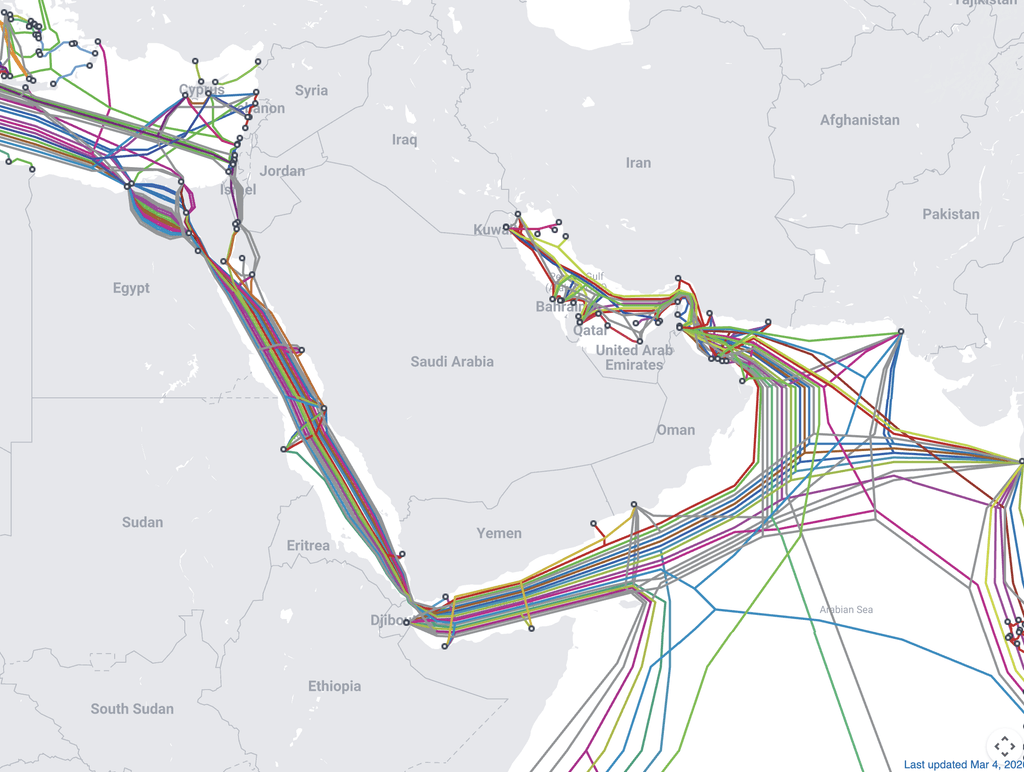
Trader consensus reflects 96.4% implied probability of "No" sabotage of undersea internet cables by Iran before April 30, driven by the absence of any verified incidents despite late-March threats from Iranian officials amid US-Iran military tensions in the Strait of Hormuz and Red Sea. Over three weeks, no cables have been cut, with international naval patrols by US, UK, and allied forces deterring action, while Iran's own global connectivity relies on these vital submarine links carrying over 90% of intercontinental data traffic. Contingency rerouting by operators like Google and Meta has minimized disruptions from prior accidental damages. Realistic shifts could stem from sudden escalation, Houthi proxy attacks, or unrepaired conflict-related vulnerabilities before the deadline.
Experimental AI-generated summary referencing Polymarket data. This is not trading advice and plays no role in how this market resolves. · UpdatedWill Iran sabotage undersea internet cables by April 30?
Will Iran sabotage undersea internet cables by April 30?
$97,154 Vol.
$97,154 Vol.
$97,154 Vol.
$97,154 Vol.
Only actions that cause physical damage to the undersea internet cable infrastructure, e.g., physical sabotage, such as cutting, dragging, or explosive attacks, will be considered. Cyber attacks will not qualify, even if they have kinetic effects.
Qualifying incidents must occur in the region spanning the Persian Gulf, Strait of Hormuz, Gulf of Oman, Arabian Sea, Gulf of Aden, and Red Sea, including areas surrounding the Arabian Peninsula.
Attempted attacks that do not result in damage, or actions that are intercepted or fail to impact the cables, will not qualify for a "Yes" resolution.
Incidents which are broadly attributed to Iranian forces or Iranian-aligned groups will qualify regardless of the absence of definitive evidence or official Iranian denials.
The resolution source will be a consensus of credible reporting.
Market Opened: Mar 23, 2026, 6:23 PM ET
Resolver
0x65070BE91...Only actions that cause physical damage to the undersea internet cable infrastructure, e.g., physical sabotage, such as cutting, dragging, or explosive attacks, will be considered. Cyber attacks will not qualify, even if they have kinetic effects.
Qualifying incidents must occur in the region spanning the Persian Gulf, Strait of Hormuz, Gulf of Oman, Arabian Sea, Gulf of Aden, and Red Sea, including areas surrounding the Arabian Peninsula.
Attempted attacks that do not result in damage, or actions that are intercepted or fail to impact the cables, will not qualify for a "Yes" resolution.
Incidents which are broadly attributed to Iranian forces or Iranian-aligned groups will qualify regardless of the absence of definitive evidence or official Iranian denials.
The resolution source will be a consensus of credible reporting.
Resolver
0x65070BE91...Trader consensus reflects 96.4% implied probability of "No" sabotage of undersea internet cables by Iran before April 30, driven by the absence of any verified incidents despite late-March threats from Iranian officials amid US-Iran military tensions in the Strait of Hormuz and Red Sea. Over three weeks, no cables have been cut, with international naval patrols by US, UK, and allied forces deterring action, while Iran's own global connectivity relies on these vital submarine links carrying over 90% of intercontinental data traffic. Contingency rerouting by operators like Google and Meta has minimized disruptions from prior accidental damages. Realistic shifts could stem from sudden escalation, Houthi proxy attacks, or unrepaired conflict-related vulnerabilities before the deadline.
Experimental AI-generated summary referencing Polymarket data. This is not trading advice and plays no role in how this market resolves. · Updated


Beware of external links.
Beware of external links.
Frequently Asked Questions