
The fragile ceasefire between Israel and Hezbollah, effective since November 27, 2024, remains the dominant factor tempering trader consensus on Israeli military action against Lebanon, with implied probabilities low amid mutual restraint despite reported violations. Israel has conducted limited airstrikes in southern Lebanon citing preemptive needs, while Hezbollah faces pressure to withdraw north of the Litani River under UN Resolution 1701 terms. Recent US-mediated diplomacy and partial Israeli troop pullbacks from border areas signal de-escalation, though rocket exchanges persist. Traders eye upcoming UNIFIL monitoring reports and potential Security Council sessions in December, which could either solidify the truce or trigger renewed escalation if breaches intensify.
Experimental AI-generated summary referencing Polymarket data · UpdatedIsrael military action against Lebanon on...?
Israel military action against Lebanon on...?
$208,129 Vol.
March 20
23%
March 22
92%
March 23
92%
March 24
90%
March 25
90%
March 26
88%
March 27
86%
March 28
88%
March 29
89%
March 30
85%
March 31
88%
$208,129 Vol.
March 20
23%
March 22
92%
March 23
92%
March 24
90%
March 25
90%
March 26
88%
March 27
86%
March 28
88%
March 29
89%
March 30
85%
March 31
88%
For the purposes of this market, a qualifying "military action" is defined as the use of aerial bombs, drones, or missiles (including cruise or ballistic missiles) launched by Israeli military forces that impact Lebanese ground territory.
A strike on any area within the terrestrial territory of Lebanon counts, including buffer zones.
Missiles or drones that are intercepted and surface-to-air missile strikes will not be sufficient for a "Yes" resolution, regardless of whether they land on Lebanese territory or cause damage.
Actions such as artillery fire, small arms fire, FPV or ground based ATGM strikes, ground incursions, naval shelling, cyberattacks, or other operations conducted by Israeli ground operatives will not qualify.
The primary resolution source will be official government/military statements (Israeli or foreign), multilateral bodies (UN, etc.), or a consensus of credible reporting from major international media and national broadcasters/newspapers.
If the date/time of a strike cannot be confirmed by a consensus of credible reporting by the end of the third calendar date after this market's end date, it will resolve to "No" regardless of whether a strike was later confirmed to have taken place.
Market Opened: Mar 17, 2026, 7:58 PM ET
Resolver
0x65070BE91...Resolver
0x65070BE91...The fragile ceasefire between Israel and Hezbollah, effective since November 27, 2024, remains the dominant factor tempering trader consensus on Israeli military action against Lebanon, with implied probabilities low amid mutual restraint despite reported violations. Israel has conducted limited airstrikes in southern Lebanon citing preemptive needs, while Hezbollah faces pressure to withdraw north of the Litani River under UN Resolution 1701 terms. Recent US-mediated diplomacy and partial Israeli troop pullbacks from border areas signal de-escalation, though rocket exchanges persist. Traders eye upcoming UNIFIL monitoring reports and potential Security Council sessions in December, which could either solidify the truce or trigger renewed escalation if breaches intensify.
Experimental AI-generated summary referencing Polymarket data · Updated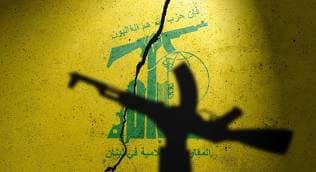

Beware of external links.
Beware of external links.
Frequently Asked Questions