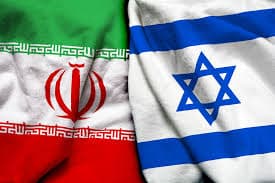
Israel's targeted airstrikes on Iranian military sites on October 26 marked a calibrated retaliation for Iran's October 1 missile barrage against Israeli territory, which followed assassinations of Hezbollah leader Hassan Nasrallah and Hamas figure Ismail Haniyeh. Iranian leaders, including Supreme Leader Khamenei, have signaled readiness to respond while stressing restraint to avoid broader war, amid ongoing proxy escalations via Hezbollah in Lebanon and Houthis in Yemen. Diplomatic channels, including UN Security Council sessions and Gulf-mediated talks, push for de-escalation, but mutual threats persist. Key traders monitor for verifiable signs of new Iranian military action, such as missile launches or drone swarms, with US election outcomes potentially shaping alliance commitments and sanctions pressure before any resolution date.
Experimental AI-generated summary referencing Polymarket data · UpdatedIran military action against Israel on...?
Iran military action against Israel on...?
April 1
69%
April 2
70%
April 3
61%
April 4
56%
April 5
52%
April 6
50%
April 7
48%
April 8
45%
April 9
44%
April 10
47%
$590 Vol.
April 1
69%
April 2
70%
April 3
61%
April 4
56%
April 5
52%
April 6
50%
April 7
48%
April 8
45%
April 9
44%
April 10
47%
For the purposes of this market, a qualifying "strike" is defined as the use of aerial bombs, drones, or missiles (including cruise or ballistic missiles) launched by Iranian military forces that impact Israeli ground territory.
A strike on any area within the terrestrial territory of Israel counts. Strikes within the West Bank or the Gaza Strip will not be counted as Israel.
Only military actions by Iranian forces explicitly claimed by the Islamic Republic of Iran, or confirmed to have originated from Iranian territory, will count toward the resolution of this market. Attacks by proxy forces (i.e., Hezbollah, Houthis, etc.) will not count toward the resolution of this market.
Missiles or drones that are intercepted and surface-to-air missile strikes will not be sufficient for a "Yes" resolution, regardless of whether they land on Israeli territory or cause damage.
Actions such as artillery fire, small arms fire, FPV or ground-based ATGM strikes, ground incursions, naval shelling, cyberattacks, or other operations conducted by Iranian ground operatives will not qualify.
The primary resolution source will be official government/military statements (Israeli or foreign), multilateral bodies (UN, etc.), or a consensus of credible reporting from major international media and national broadcasters/newspapers.
If the date/time of a strike cannot be confirmed by a consensus of credible reporting by the end of the third calendar date after the specified date, it will resolve to "No" regardless of whether a strike is later confirmed to have taken place.
Market Opened: Mar 24, 2026, 1:04 PM ET
Resolver
0x65070BE91...Resolver
0x65070BE91...Israel's targeted airstrikes on Iranian military sites on October 26 marked a calibrated retaliation for Iran's October 1 missile barrage against Israeli territory, which followed assassinations of Hezbollah leader Hassan Nasrallah and Hamas figure Ismail Haniyeh. Iranian leaders, including Supreme Leader Khamenei, have signaled readiness to respond while stressing restraint to avoid broader war, amid ongoing proxy escalations via Hezbollah in Lebanon and Houthis in Yemen. Diplomatic channels, including UN Security Council sessions and Gulf-mediated talks, push for de-escalation, but mutual threats persist. Key traders monitor for verifiable signs of new Iranian military action, such as missile launches or drone swarms, with US election outcomes potentially shaping alliance commitments and sanctions pressure before any resolution date.
Experimental AI-generated summary referencing Polymarket data · Updated
Beware of external links.
Beware of external links.
Frequently Asked Questions