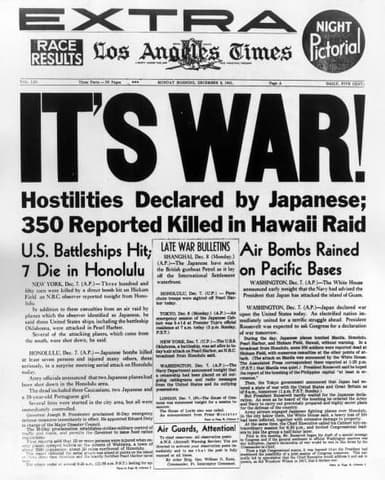
Tensions between the US and Iran remain elevated following Israel's October 26 airstrikes on Iranian military sites in response to Tehran's October 1 missile barrage, but the Biden administration distanced itself from the operation, urging restraint and emphasizing defensive support for Israel without endorsing escalation to direct conflict. No congressional bills or resolutions proposing a formal declaration of war—last used in World War II—have advanced amid ongoing proxy clashes involving Iranian-backed groups like the Houthis and Hezbollah. President Biden has repeatedly affirmed no desire for war, favoring sanctions and diplomacy, while the November 5 presidential election looms as a potential policy pivot depending on the outcome. Structural barriers, including the War Powers Resolution and preference for Authorizations for Use of Military Force, keep formal declaration odds low per trader consensus.
Experimental AI-generated summary referencing Polymarket data · UpdatedWill the US officially declare war on Iran by...?
Will the US officially declare war on Iran by...?
$4,323,172 Vol.
March 31
<1%
April 30
1%
December 31
10%
$4,323,172 Vol.
March 31
<1%
April 30
1%
December 31
10%
To qualify, Congress must pass a formal declaration of war, consistent with its constitutional authority under Article I, Section 8. Authorizations for the use of military force (AUMFs), executive orders, presidential statements, or military actions do not qualify unless accompanied by a formal declaration of war enacted by Congress and signed into law.
The resolution source will be a clear consensus of credible reporting.
Market Opened: Jan 12, 2026, 3:49 PM ET
Resolver
0x65070BE91...To qualify, Congress must pass a formal declaration of war, consistent with its constitutional authority under Article I, Section 8. Authorizations for the use of military force (AUMFs), executive orders, presidential statements, or military actions do not qualify unless accompanied by a formal declaration of war enacted by Congress and signed into law.
The resolution source will be a clear consensus of credible reporting.
Resolver
0x65070BE91...Tensions between the US and Iran remain elevated following Israel's October 26 airstrikes on Iranian military sites in response to Tehran's October 1 missile barrage, but the Biden administration distanced itself from the operation, urging restraint and emphasizing defensive support for Israel without endorsing escalation to direct conflict. No congressional bills or resolutions proposing a formal declaration of war—last used in World War II—have advanced amid ongoing proxy clashes involving Iranian-backed groups like the Houthis and Hezbollah. President Biden has repeatedly affirmed no desire for war, favoring sanctions and diplomacy, while the November 5 presidential election looms as a potential policy pivot depending on the outcome. Structural barriers, including the War Powers Resolution and preference for Authorizations for Use of Military Force, keep formal declaration odds low per trader consensus.
Experimental AI-generated summary referencing Polymarket data · Updated
Beware of external links.
Beware of external links.
Frequently Asked Questions