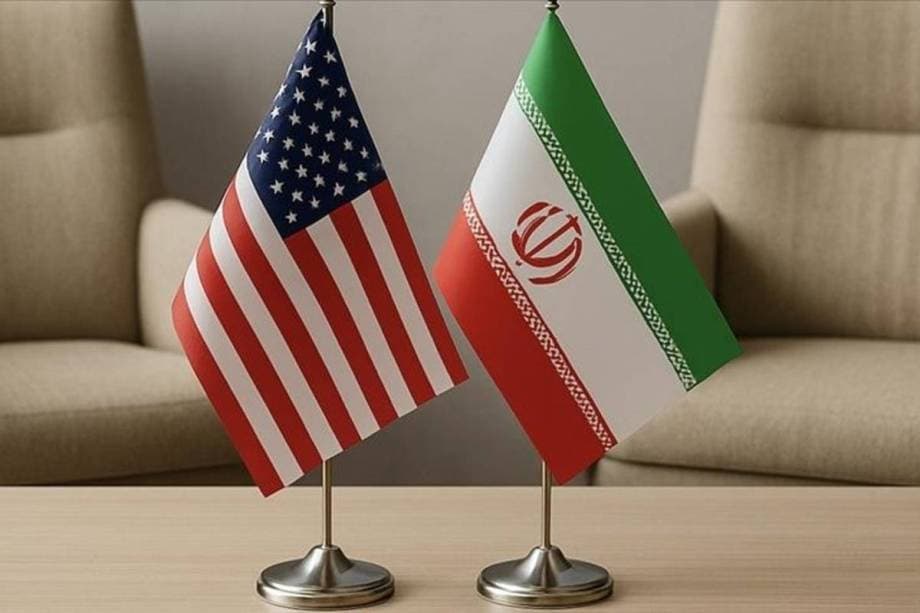
Ongoing US-Iran nuclear negotiations, mediated indirectly through Oman and others, have stalled without Iran agreeing to surrender its enriched uranium stockpile, which IAEA reports place at over 9,800 kg of uranium as of early 2026, far exceeding JCPOA limits. Late February indirect talks produced Iranian proposals for zero stockpiling and reduced enrichment to 3.6%, but the US countered with a March 15-point plan demanding full dismantlement, zero domestic enrichment, and immediate handover of 450 kg of 60%-enriched material—demands Tehran rejected. Recent escalations include US military drills simulating forcible seizure of the stockpile and Israeli strategy papers advocating preemptive action, eroding diplomatic prospects. IAEA access remains limited, heightening proliferation concerns ahead of potential reconvened talks or sanctions. Trader consensus reflects deep divides on core issues like stockpile transfer and verification.
Experimental AI-generated summary referencing Polymarket data · UpdatedIran agrees to surrender enriched uranium stockpile by...?
Iran agrees to surrender enriched uranium stockpile by...?
$57,255 Vol.

April 30
9%
June 30
17%
December 31
33%
$57,255 Vol.
April 30
9%
June 30
17%
December 31
33%
An official pledge by Iran to surrender its enriched uranium stockpile will qualify for a “Yes” resolution whether as a unilateral announcement or part of an agreement with the U.S. or Israel.
An agreement by Iran to surrender any amount of its enriched uranium stockpile will count.
To qualify, Iran must publicly agree that its enriched uranium stockpile, or any portion thereof, will be transferred, shipped, or placed under the custody or control of any entity outside of Iran and its influence, excluding non-state armed groups or Iranian-aligned organizations (such as Hezbollah, the Houthis, or similar actors).
Any agreement or pledge made before the resolution date of this market will qualify, regardless of if/when the agreement goes into effect.
An agreement by Iran to surrender its enriched uranium stockpile as a precondition of a more comprehensive peace process or deal will qualify, even if the agreement is not finalized or part of a formalized peace deal.
Agreements to merely limit or cap the level or quality of enrichment—such as reducing enrichment to below weapons-grade thresholds—will not qualify.
The primary resolution source for this market will be a consensus of credible reporting.
Market Opened: Mar 26, 2026, 7:53 PM ET
Resolver
0x65070BE91...An official pledge by Iran to surrender its enriched uranium stockpile will qualify for a “Yes” resolution whether as a unilateral announcement or part of an agreement with the U.S. or Israel.
An agreement by Iran to surrender any amount of its enriched uranium stockpile will count.
To qualify, Iran must publicly agree that its enriched uranium stockpile, or any portion thereof, will be transferred, shipped, or placed under the custody or control of any entity outside of Iran and its influence, excluding non-state armed groups or Iranian-aligned organizations (such as Hezbollah, the Houthis, or similar actors).
Any agreement or pledge made before the resolution date of this market will qualify, regardless of if/when the agreement goes into effect.
An agreement by Iran to surrender its enriched uranium stockpile as a precondition of a more comprehensive peace process or deal will qualify, even if the agreement is not finalized or part of a formalized peace deal.
Agreements to merely limit or cap the level or quality of enrichment—such as reducing enrichment to below weapons-grade thresholds—will not qualify.
The primary resolution source for this market will be a consensus of credible reporting.
Resolver
0x65070BE91...Ongoing US-Iran nuclear negotiations, mediated indirectly through Oman and others, have stalled without Iran agreeing to surrender its enriched uranium stockpile, which IAEA reports place at over 9,800 kg of uranium as of early 2026, far exceeding JCPOA limits. Late February indirect talks produced Iranian proposals for zero stockpiling and reduced enrichment to 3.6%, but the US countered with a March 15-point plan demanding full dismantlement, zero domestic enrichment, and immediate handover of 450 kg of 60%-enriched material—demands Tehran rejected. Recent escalations include US military drills simulating forcible seizure of the stockpile and Israeli strategy papers advocating preemptive action, eroding diplomatic prospects. IAEA access remains limited, heightening proliferation concerns ahead of potential reconvened talks or sanctions. Trader consensus reflects deep divides on core issues like stockpile transfer and verification.
Experimental AI-generated summary referencing Polymarket data · Updated
Beware of external links.
Beware of external links.
Frequently Asked Questions