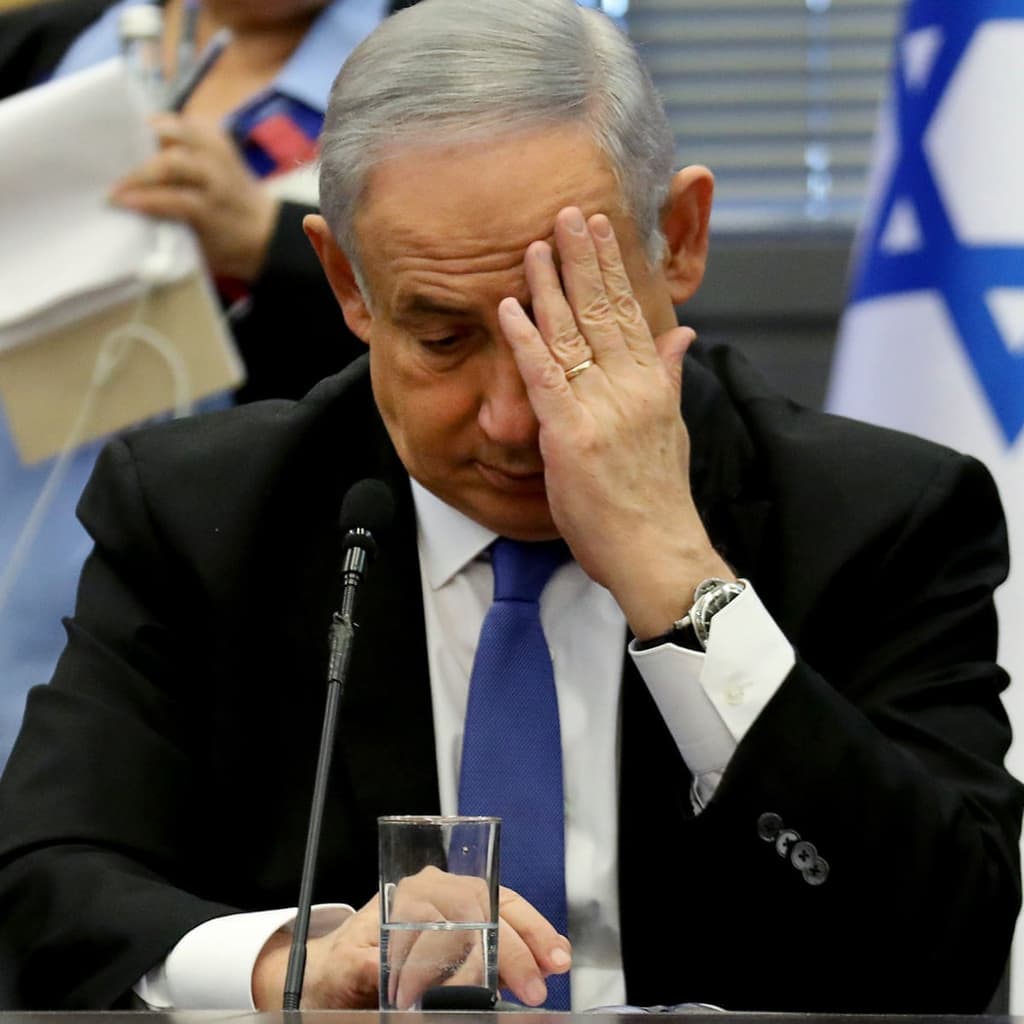
Israeli Prime Minister Benjamin Netanyahu remains securely in office, directing the military to expand its buffer zone in southern Lebanon on March 29 amid ongoing regional tensions, a move underscoring his coalition's control over security policy. His government holds a slim Knesset majority, having survived prior no-confidence bids, with no new dissolution votes scheduled despite opposition criticism from figures like Naftali Bennett, who recently vowed to replace him. Persistent Gaza operations, corruption trials, and domestic protests fuel calls for snap elections, but Netanyahu has pledged to contest the mandatory 2026 legislative vote. Traders weigh coalition stability against potential fractures over military drafts or war escalations, with resolution tied to resignation, no-confidence passage requiring 61 votes, or electoral defeat.
Experimental AI-generated summary referencing Polymarket data · UpdatedNetanyahu out by...?
Netanyahu out by...?
$85,790,694 Vol.
March 31
<1%
April 30
3%
June 30
14%
December 31
46%
$85,790,694 Vol.
March 31
<1%
April 30
3%
June 30
14%
December 31
46%
An announcement of Benjamin Netanyahu's resignation/removal before this market's end date will immediately resolve this market to "Yes", regardless of when the announced resignation/removal goes into effect.
The resolution source for this market will be official information from Benjamin Netanyahu and the government of Israel; however, a consensus of credible reporting may also be used.
Market Opened: Mar 18, 2026, 7:57 PM ET
Resolver
0x65070BE91...An announcement of Benjamin Netanyahu's resignation/removal before this market's end date will immediately resolve this market to "Yes", regardless of when the announced resignation/removal goes into effect.
The resolution source for this market will be official information from Benjamin Netanyahu and the government of Israel; however, a consensus of credible reporting may also be used.
Resolver
0x65070BE91...Israeli Prime Minister Benjamin Netanyahu remains securely in office, directing the military to expand its buffer zone in southern Lebanon on March 29 amid ongoing regional tensions, a move underscoring his coalition's control over security policy. His government holds a slim Knesset majority, having survived prior no-confidence bids, with no new dissolution votes scheduled despite opposition criticism from figures like Naftali Bennett, who recently vowed to replace him. Persistent Gaza operations, corruption trials, and domestic protests fuel calls for snap elections, but Netanyahu has pledged to contest the mandatory 2026 legislative vote. Traders weigh coalition stability against potential fractures over military drafts or war escalations, with resolution tied to resignation, no-confidence passage requiring 61 votes, or electoral defeat.
Experimental AI-generated summary referencing Polymarket data · Updated

Beware of external links.
Beware of external links.
Frequently Asked Questions