Trader consensus favors Rafael López Aliaga at 32.5% to win Peru's April 12 presidential first-round vote and potential runoff, driven by late-March polls like Datum (11.7%) and Ipsos (up to 17.3%) where he leads or ties Keiko Fujimori amid a fragmented 35-candidate field and 20-25% undecided voters. His edge stems from conservative anti-crime platform resonating with public concerns over rising insecurity and instability, differentiating him from Fujimori's established Fuerza Popular machine and name recognition but tarnished legacy, Carlos Álvarez's outsider conservative appeal (6-8%), and Alfonso López Chau's centre-left gains (5-7%). Roberto Sánchez Palomino shows minor rises to 7% in some surveys. Consolidation hinges on endorsements, final JNE debates, and undecided shifts before resolution post-runoff if needed.
Experimental AI-generated summary referencing Polymarket data · UpdatedPeru Presidential Election Winner
Peru Presidential Election Winner
Rafael López Aliaga 33%
Keiko Fujimori 21%
Carlos Álvarez 16.4%
Roberto Sánchez Palomino 8.7%
$4,790,123 Vol.
$4,790,123 Vol.
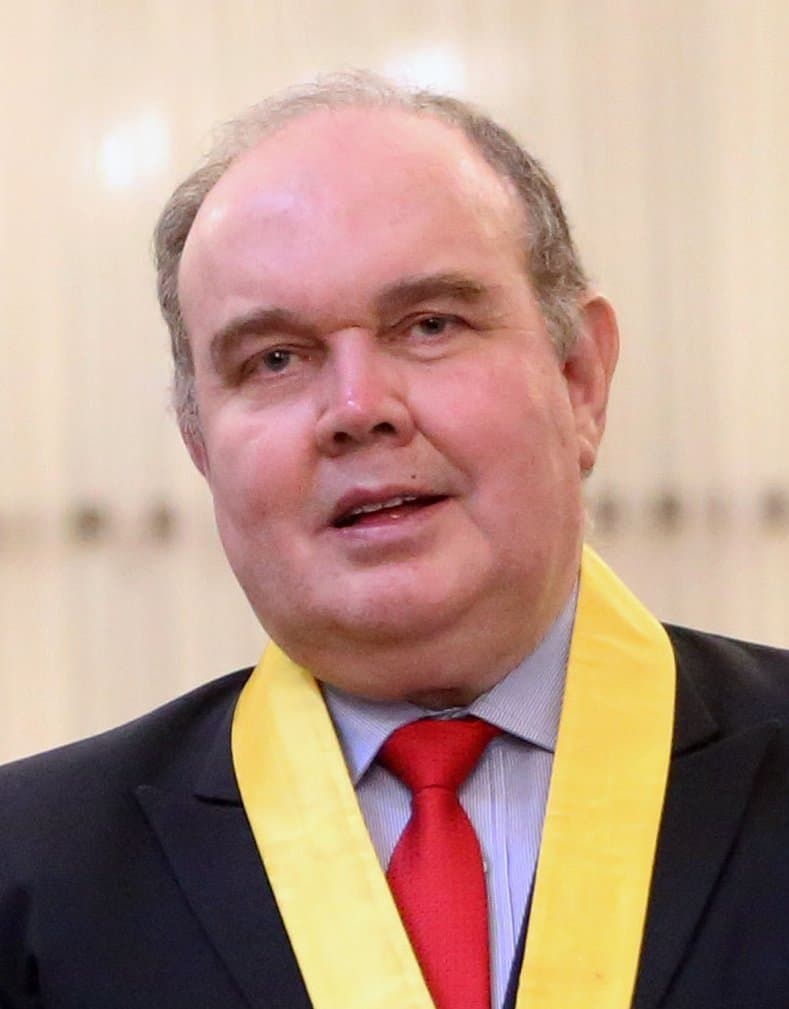
Rafael López Aliaga
33%
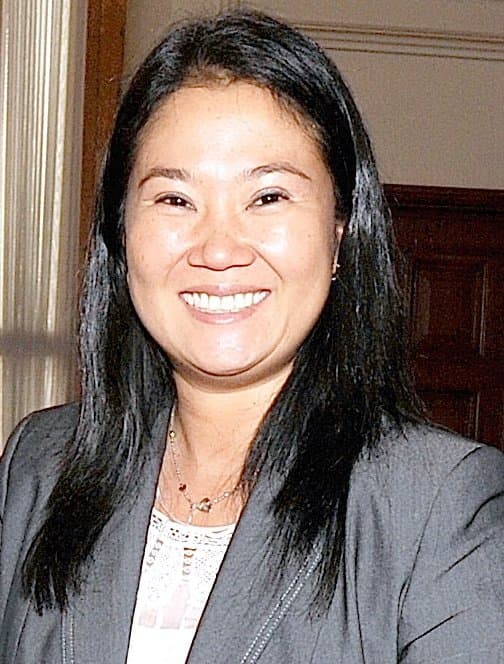
Keiko Fujimori
21%
Carlos Álvarez
16%
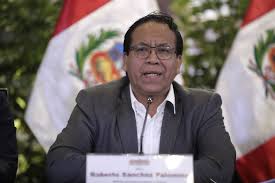
Roberto Sánchez Palomino
9%

Alfonso López Chau
8%
Jorge Nieto
5%

Ricardo Belmont
1%
Marisol Pérez Tello
1%
Carlos Espá
1%

Wolfgang Grozo
1%
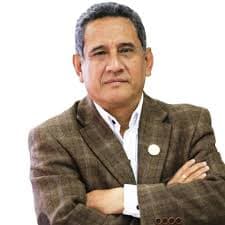
Mesías Guevara
1%
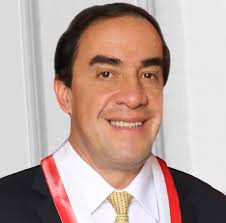
Yonhy Lescano
1%
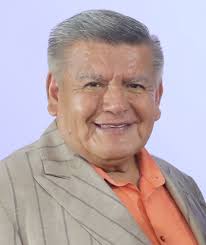
César Acuña
<1%
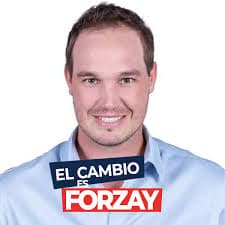
George Forsyth
<1%
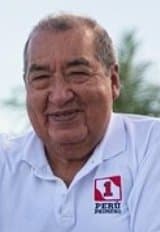
Mario Vizcarra
<1%
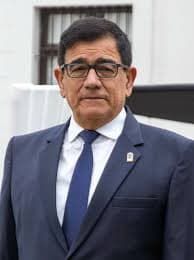
José Williams
<1%
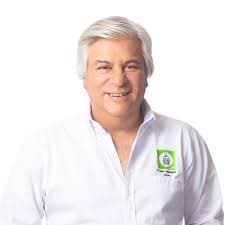
Fernando Olivera
<1%
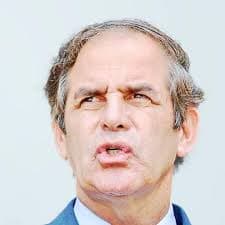
Roberto Chiabra
<1%

Fiorella Molinelli
<1%
José Luna
<1%

Rafael Belaúnde Llosa
<1%
Vladimir Cerrón
<1%
Enrique Valderrama
<1%
Rafael López Aliaga 33%
Keiko Fujimori 21%
Carlos Álvarez 16.4%
Roberto Sánchez Palomino 8.7%
$4,790,123 Vol.
$4,790,123 Vol.
Rafael López Aliaga
33%
Keiko Fujimori
21%
Carlos Álvarez
16%
Roberto Sánchez Palomino
9%
Alfonso López Chau
8%
Jorge Nieto
5%
Ricardo Belmont
1%
Marisol Pérez Tello
1%
Carlos Espá
1%
Wolfgang Grozo
1%
Mesías Guevara
1%
Yonhy Lescano
1%
César Acuña
<1%
George Forsyth
<1%
Mario Vizcarra
<1%
José Williams
<1%
Fernando Olivera
<1%
Roberto Chiabra
<1%
Fiorella Molinelli
<1%
José Luna
<1%
Rafael Belaúnde Llosa
<1%
Vladimir Cerrón
<1%
Enrique Valderrama
<1%
This market will resolve according to the listed candidate who wins the next Peruvian Presidential election.
This market includes any potential second round.
If the results are not known definitively by October 31, 2026, 11:59 PM ET, this market will resolve to "Other".
This market will resolve based on the results of this election, as indicated by a consensus of credible reporting. If there is ambiguity, this market will resolve solely on the official results as reported by the Peruvian government, specifically the National Office of Electoral Processes (Oficina Nacional de Procesos Electorales, ONPE) (https://www.onpe.gob.pe/elecciones/) and the National Jury of Elections (Jurado Nacional de Elecciones, JNE) (https://portal.jne.gob.pe/portal/)
Market Opened: Dec 16, 2025, 2:57 PM ET
Resolver
0x2F5e3684c...This market will resolve according to the listed candidate who wins the next Peruvian Presidential election.
This market includes any potential second round.
If the results are not known definitively by October 31, 2026, 11:59 PM ET, this market will resolve to "Other".
This market will resolve based on the results of this election, as indicated by a consensus of credible reporting. If there is ambiguity, this market will resolve solely on the official results as reported by the Peruvian government, specifically the National Office of Electoral Processes (Oficina Nacional de Procesos Electorales, ONPE) (https://www.onpe.gob.pe/elecciones/) and the National Jury of Elections (Jurado Nacional de Elecciones, JNE) (https://portal.jne.gob.pe/portal/)
Resolver
0x2F5e3684c...Trader consensus favors Rafael López Aliaga at 32.5% to win Peru's April 12 presidential first-round vote and potential runoff, driven by late-March polls like Datum (11.7%) and Ipsos (up to 17.3%) where he leads or ties Keiko Fujimori amid a fragmented 35-candidate field and 20-25% undecided voters. His edge stems from conservative anti-crime platform resonating with public concerns over rising insecurity and instability, differentiating him from Fujimori's established Fuerza Popular machine and name recognition but tarnished legacy, Carlos Álvarez's outsider conservative appeal (6-8%), and Alfonso López Chau's centre-left gains (5-7%). Roberto Sánchez Palomino shows minor rises to 7% in some surveys. Consolidation hinges on endorsements, final JNE debates, and undecided shifts before resolution post-runoff if needed.
Experimental AI-generated summary referencing Polymarket data · UpdatedRelated
Will Keiko Fujimori finish in first place in the first round of the 2026 Peruvian presidential election?
Will Carlos Álvarez finish in third place in the first round of the 2026 Peruvian presidential election?
Will Keiko Fujimori finish in second place in the first round of the 2026 Peruvian presidential election?
Beware of external links.
Beware of external links.
Frequently Asked Questions