

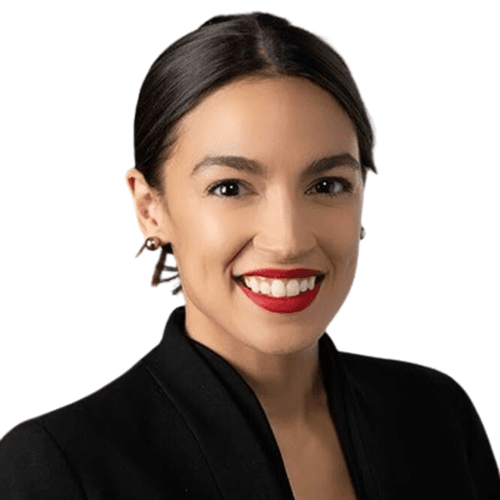

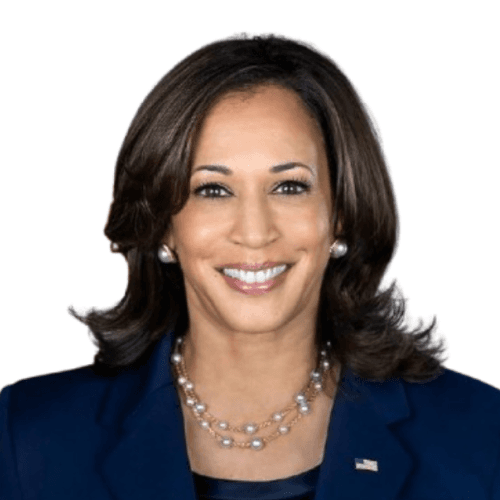

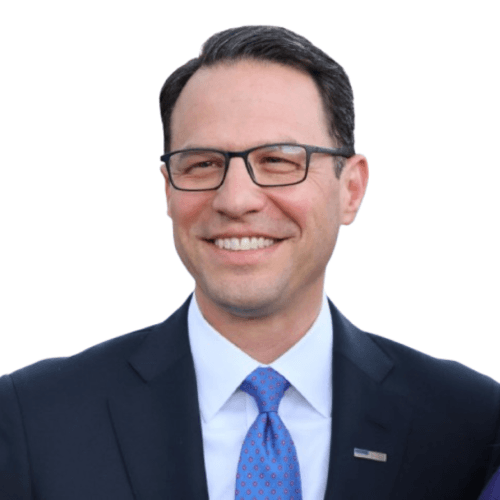
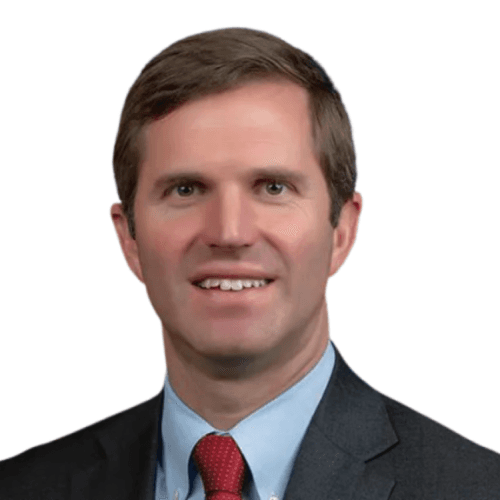











Gavin Newsom leads the 2028 Democratic presidential nomination market at 24.3% due to his high national profile as California governor, frequent public clashes with the Trump administration, and positioning around the 2026 midterms and state redistricting efforts. The wide-open field features fragmented support across governors like Josh Shapiro and Andy Beshear, senators such as Jon Ossoff and Mark Kelly, and progressives including Alexandria Ocasio-Cortez, reflecting competing priorities over name recognition, fundraising, and general-election appeal. Recent polling shows Newsom competitive with Kamala Harris in ranked-choice simulations, while trader consensus prices in the advantages of term-limited executives who can focus on national messaging without immediate reelection pressures. The 2026 midterms and any resulting shifts in party infrastructure or donor alignment could consolidate backing behind fewer contenders ahead of formal primary activity.
Experimental AI-generated summary referencing Polymarket data. This is not trading advice and plays no role in how this market resolves. · UpdatedJon Ossoff gains momentum as a rising Democratic star with viral speeches
Jon Ossoff rises to 15%3%
Jon Ossoff's viral speeches criticizing Donald Trump and his growing media presence increased his profile as a potential 2028 candidate, reflected in a significant rise in market odds during July 2026.
Gavin Newsom campaigns in Nevada amid criticism from Republicans
Gavin Newsom dips to 19%2%
Newsom's Nevada campaign tour to support Democrats drew Republican criticism highlighting California's issues, which may have pressured his market price downward amid concerns about electability in swing states.
Alexandria Ocasio-Cortez Endorses Abdul El-Sayed in Michigan Senate Primary
Alexandria Ocasio-Cortez rises to 12%1%
Representative Alexandria Ocasio-Cortez waded into her first contested Senate primary of the 2026 cycle by endorsing progressive Dr. Abdul El-Sayed in Michigan, signaling her growing influence and leadership within the national party.
Kamala Harris Reaches Out to Progressives and Pro-Palestinian Activists
Kamala Harris dips to 6%1%
Former Vice President Kamala Harris held private meetings with progressive leaders, including New York City Mayor Zohran Mamdani, to build bridges ahead of 2028, though the outreach drew mixed reactions and skepticism from some party factions.
Vice President JD Vance predicts Alexandria Ocasio-Cortez will lead 2028 Democratic race
Alexandria Ocasio-Cortez jumps to 14%5%
JD Vance publicly predicted that Ocasio-Cortez would be the leading Democratic candidate for president in 2028, prompting a viral response from her and boosting her market odds significantly from 9% to 14%.
Fox News Poll Shows Jon Ossoff Holding Double-Digit Lead in Georgia Senate Race
Jon Ossoff rises to 13%3%
A new Fox News poll showed incumbent Senator Jon Ossoff leading Republican challenger Mike Collins by 13 points, reinforcing his image as a highly electable and rising star in the Democratic Party.
JD Vance names Alexandria Ocasio-Cortez as expected 2028 Democratic frontrunner
Alexandria Ocasio-Cortez rises to 11%2%
Vice President JD Vance singled out Representative Alexandria Ocasio-Cortez as the likely 2028 Democratic nominee, sparking a viral exchange and boosting her market odds.
Alexandria Ocasio-Cortez responds to being named leading 2028 Democratic candidate by JD Vance
Alexandria Ocasio-Cortez rises to 15%4%
After Vice President JD Vance publicly predicted Alexandria Ocasio-Cortez would be the leading Democratic candidate in 2028, Ocasio-Cortez acknowledged the comment with a positive response. This endorsement and increased media attention contributed to a rise in her market odds from 11% to 15% during early July.
Senator Jon Ossoff doubles down on denial of 2028 presidential run
Jon Ossoff rises to 11%1%
Despite growing online support and speculation about a 2028 presidential bid, Jon Ossoff publicly denied any interest in running, emphasizing his focus on the 2026 Senate race, which paradoxically kept him in the spotlight.
Alexandria Ocasio-Cortez's cross-country tour fuels fresh 2028 presidential buzz
Alexandria Ocasio-Cortez rises to 12%3%
Ocasio-Cortez's national appearances and speeches, including at civil rights events, renewed speculation about her 2028 presidential ambitions, supporting a market price rise from 9% to 12%.
Jon Ossoff Adamantly Denies 2028 Presidential Ambitions
Jon Ossoff rises to 10%1%
Despite a surge in prediction market odds and national buzz, Senator Jon Ossoff explicitly ruled out a 2028 presidential run, stating he is entirely focused on his competitive 2026 Georgia Senate reelection race.
AOC Responds to JD Vance's Prediction That She Will Be the 2028 Democratic Nominee
Alexandria Ocasio-Cortez rises to 11%1%
Vice President JD Vance predicted that Ocasio-Cortez would be the Democratic nominee in 2028, prompting a quick-witted response from her that fueled further media buzz and raised her market odds.
Senator Jon Ossoff Reiterates He Has Zero Interest in Running for President in 2028
Jon Ossoff rises to 10%1%
Despite growing online support and media speculation, Senator Jon Ossoff issued a firm statement denying any interest in a 2028 presidential run, calling the chatter a distraction.
Jon Ossoff Adamantly Rules Out 2028 Presidential Run
Senator Jon Ossoff doubled down on his refusal to run for president in 2028, stating he is laser-focused on his Georgia Senate reelection campaign, which cooled his rising market odds.
Jon Ossoff denies 2028 presidential run amid rising speculation
Jon Ossoff rises to 10%1%
Despite rising market odds and media speculation about a 2028 presidential bid, Jon Ossoff publicly denied any interest in running, emphasizing his focus on the 2026 Senate race, which influenced market perceptions.
Alexandria Ocasio-Cortez responds to JD Vance's prediction of her 2028 nomination
Alexandria Ocasio-Cortez jumps to 14%5%
JD Vance publicly predicted Alexandria Ocasio-Cortez would be the leading Democratic candidate for president in 2028. Ocasio-Cortez's wry and noncommittal response was widely reported, fueling speculation and boosting her market odds from 9% to 14%.
AtlasIntel Poll Places Alexandria Ocasio-Cortez at the Top of Potential 2028 Democratic Field
Alexandria Ocasio-Cortez rises to 13%4%
A new AtlasIntel poll showed Representative Alexandria Ocasio-Cortez leading potential Democratic contenders with 26 percent support, boosting her market odds significantly.
Jon Ossoff Reiterates He Has No Interest in Running for President in 2028
Jon Ossoff rises to 11%2%
Senator Jon Ossoff flatly denied any presidential ambitions to CNN, stating he is laser-focused on his Georgia Senate reelection campaign.
Kamala Harris courts progressive leaders amid 2028 presidential speculation
Kamala Harris reached out to progressive figures like NYC Mayor Zohran Mamdani and Alexandria Ocasio-Cortez, signaling possible 2028 ambitions, but this did not significantly boost her market price, which remained low.
Senator Jon Ossoff flatly denies 2028 presidential ambitions to CNN
Senator Jon Ossoff reiterated that he is not running for president in 2028 and is entirely focused on his Georgia Senate reelection campaign, temporarily cooling some market speculation.
Alexandria Ocasio-Cortez responds wryly to JD Vance's 2028 nomination prediction
Alexandria Ocasio-Cortez jumps to 14%5%
Vice President JD Vance predicted Ocasio-Cortez as the leading Democratic candidate for 2028, and she responded with a wry smile and hopeful comment, which boosted her market price.
Vice President JD Vance predicts Alexandria Ocasio-Cortez will be 2028 Democratic nominee
Alexandria Ocasio-Cortez jumps to 14%5%
JD Vance publicly named Ocasio-Cortez as the likely Democratic nominee in 2028, which sparked media attention and a subtle but positive response from Ocasio-Cortez, boosting her market price significantly.
JD Vance predicts Alexandria Ocasio-Cortez will be the 2028 Democratic nominee
Alexandria Ocasio-Cortez rises to 13%4%
Vice President JD Vance singled out Alexandria Ocasio-Cortez as the expected 2028 Democratic frontrunner, prompting a viral response from the congresswoman and boosting her market price.
Jon Ossoff Reiterates He Is Not Running for President in 2028
Jon Ossoff dips to 9%1%
Senator Jon Ossoff doubled down on his denial of 2028 presidential ambitions, emphasizing his absolute focus on his Georgia Senate reelection campaign.
Jon Ossoff publicly denies 2028 presidential run amid rising speculation
Jon Ossoff rises to 7%2%
Despite rising market odds and speculation about a 2028 presidential bid, Ossoff emphatically denied any interest in running, focusing on his 2026 Senate reelection. This paradoxically increased his profile and market price as a potential candidate.
Alexandria Ocasio-Cortez cruises to primary victory, fueling 2028 speculation
Alexandria Ocasio-Cortez rises to 12%3%
Ocasio-Cortez's decisive primary win in New York solidified her position as a leading progressive voice and increased speculation about a 2028 presidential run, reflected in her market price rising from 9% to 12%.
Alexandria Ocasio-Cortez wins Democratic primary, boosting 2028 speculation
Alexandria Ocasio-Cortez rises to 12%3%
AOC's decisive primary victory in New York solidified her position as a leading progressive voice and increased speculation about a 2028 presidential run, reflected in her market price rising from 9% to 12%.
Jon Ossoff's viral campaign rallies boost 2028 presidential speculation
Jon Ossoff rises to 10%4%
Senator Jon Ossoff's campaign rallies in Georgia went viral, showcasing his sharp criticism of Donald Trump and resonating with Democratic voters. Despite his repeated denials of interest in running for president, his rising profile and fundraising success increased his market odds from 6% to 10%.
Tucker Carlson reveals Trump views Gavin Newsom as a 2028 threat
Gavin Newsom dips to 20%1%
Conservative commentator Tucker Carlson disclosed that former President Donald Trump considers Gavin Newsom a viable contender for the 2028 Democratic nomination, which reinforced Newsom's frontrunner status despite ongoing challenges.
Jon Ossoff's viral campaign rallies boost 2028 presidential speculation
Jon Ossoff jumps to 13%5%
Senator Jon Ossoff's campaign rallies gained viral attention, increasing his national profile and market odds despite his repeated denials of presidential ambitions. This energized Democratic voters and raised his viability as a 2028 contender.
Kentucky Governor Andy Beshear gains traction as potential 2028 presidential candidate
Andy Beshear dips to 2%1%
By mid-2026, Kentucky Governor Andy Beshear was gaining popularity and polling as a potential 2028 Democratic presidential candidate, rising to around 2-3% in markets and polls, reflecting growing national attention.
Poll shows Kamala Harris's early lead tightening as Newsom and Ocasio-Cortez gain support
Kamala Harris dips to 7%2%
A McLaughlin poll indicated a tightening race among top Democratic contenders, with Kamala Harris's support declining while Gavin Newsom and Alexandria Ocasio-Cortez gained ground, reflecting shifting voter preferences.
New poll shows Kamala Harris's support waning amid calls for fresh Democratic candidates
Kamala Harris dips to 7%2%
A poll and donor sentiment in late June indicated declining enthusiasm for Kamala Harris's 2028 bid, with party leaders favoring fresh faces, contributing to her market price decline from 9% to 7%.
McLaughlin & Associates Poll Shows Kamala Harris Leading 2028 Field but with Tightening Support
A new national survey showed Kamala Harris leading Democratic voters with 26% support, but her early dominant lead continued to tighten as other potential candidates gained traction.
Gavin Newsom and Wife Under Federal Investigation, Governor Claims Political Motivation
California Governor Gavin Newsom announced that he and his wife are under federal investigation, framing the probe as a politically motivated attack by Donald Trump due to his 2028 presidential ambitions.
Kamala Harris market price declines amid skepticism about 2028 run
Kamala Harris dips to 6%3%
Despite earlier hints at running, skepticism grew about Harris's chances for the 2028 nomination, reflected in a market price decline from 9% to 6%, as some commentators questioned her viability and recent political impact.
Andy Beshear’s support rises in polls for 2028 presidential speculation
Andy Beshear rises to 3%1%
Kentucky Governor Andy Beshear showed a notable increase in polling support for a potential 2028 presidential run, reflecting growing recognition of his moderate appeal and electoral success in a red state.
Alexandria Ocasio-Cortez wins primary, fueling 2028 presidential bid speculation
Alexandria Ocasio-Cortez rises to 13%4%
Alexandria Ocasio-Cortez's easy primary victory in New York boosted her political clout and reignited speculation about a 2028 presidential run, leading to increased market prices for her nomination chances.
Tucker Carlson reveals Trump views Gavin Newsom as viable 2028 Democratic nominee
Conservative commentator Tucker Carlson disclosed that former President Donald Trump considers Gavin Newsom a strong contender for the 2028 Democratic nomination, reinforcing Newsom's frontrunner status despite challenges.
Alexandria Ocasio-Cortez Cruises to Primary Victory as Socialists Sweep New York
Alexandria Ocasio-Cortez rises to 13%3%
Rep. Alexandria Ocasio-Cortez easily defeated her primary challenger Marty Dolan, while three Democratic Socialists of America candidates swept their own primaries in New York City, boosting her 2028 presidential speculation.
Alexandria Ocasio-Cortez wins New York Democratic primary
Alexandria Ocasio-Cortez rises to 10%1%
Representative Alexandria Ocasio-Cortez easily defeated a primary challenger in New York's 14th District, solidifying her political standing and fueling speculation about a 2028 run.
Kentucky Governor Andy Beshear signals 2028 presidential interest
Andy Beshear has made media appearances and comments indicating he is considering a 2028 presidential run, supported by high approval ratings and bipartisan appeal, though he has not formally announced.
Gavin Newsom aligns with Joe Biden and maintains frontrunner status in 2028 Democratic nomination market
Gavin Newsom dips to 23%1%
California Governor Gavin Newsom cultivated closer ties with Joe Biden and his political circle, praising Biden's record, which helped solidify his position as the leading contender in the 2028 Democratic nomination market despite a competitive field and slight price fluctuations.
Gavin Newsom aligns closely with Joe Biden ahead of 2028 presidential cycle
Gavin Newsom rises to 25%1%
Newsom's strategic alignment with Biden and his political circle was reported by Axios, enhancing his standing as the frontrunner in the Democratic nomination market despite some risks associated with Biden's popularity. This helped maintain Newsom's market lead around late June 2026.
Gavin Newsom embraces Joe Biden ahead of 2028 primary
Gavin Newsom publicly aligned himself with Joe Biden, betting that embracing the former president would be more popular among Democrats than distancing himself. This strategic positioning aimed to consolidate support within the party for his 2028 bid.
Jon Ossoff's Campaign Raises Over $1 Million in 24 Hours Following GOP Runoff
Jon Ossoff rises to 10%2%
Following the confirmation of his Republican opponent, Ossoff's general election campaign raised over $1 million in a single day, demonstrating his formidable fundraising power and national appeal.
Jon Ossoff Floated as 2028 Contender Ahead of Crucial 2026 Reelection Test
Jon Ossoff dips to 10%2%
Media analysis highlighted Ossoff's potential as a 2028 presidential candidate, noting that a victory in his highly competitive 2026 Georgia Senate race would prove his broad appeal.
Jon Ossoff's 2026 Senate campaign boosts 2028 presidential speculation
Jon Ossoff rises to 9%3%
Media coverage highlighted Jon Ossoff's potential as a 2028 presidential candidate contingent on his 2026 Senate race success. His viral campaign speeches and fundraising momentum increased market confidence, raising his nomination odds from 6% to 9%.
Media highlights Jon Ossoff as rising Democratic star and 2028 contender
Jon Ossoff rises to 10%1%
On June 18, media coverage emphasized Ossoff's growing momentum and appeal as a young, authentic Democratic leader with strong fundraising and viral campaign videos, reinforcing his status as a leading 2028 presidential prospect and supporting the market price increase to 10%.
Analysis Highlights Jon Ossoff as a Rising 2028 Democratic Presidential Contender
Jon Ossoff dips to 9%1%
On June 18, 2026, media analysis emphasized Jon Ossoff's potential as a 2028 presidential candidate contingent on his 2026 Senate race success. This coverage reinforced market confidence, sustaining his elevated price near 10%.
New York Times Opinion Piece Boosts Jon Ossoff as Ideal 2028 Presidential Candidate
Jon Ossoff rises to 13%4%
A prominent opinion piece by Michelle Goldberg in The New York Times detailed why Jon Ossoff is seen as an ideal candidate to bridge party divides, sparking national buzz and driving his prediction market price to its peak.
Jon Ossoff's viral campaign rallies fuel 2028 presidential speculation
Jon Ossoff rises to 10%4%
Senator Jon Ossoff's energetic and viral campaign speeches increased his visibility and market odds from 6% to 10%, despite his repeated denials of presidential ambitions. His appeal as a Southern Democrat in a swing state attracted attention as a potential future nominee.
Media analysis highlights Jon Ossoff's rising 2028 presidential prospects after Senate race
Jon Ossoff rises to 10%1%
Media coverage emphasized Jon Ossoff's potential as a 2028 presidential candidate contingent on his 2026 Senate race success, reinforcing market confidence and sustaining his elevated price near 10%.
Prediction Markets Price Jon Ossoff as 2028 Contender While Gavin Newsom Cools Off
Gavin Newsom dips to 21%3%
Traders heavily backed Jon Ossoff in 2028 nomination contracts, closing his gap with other top contenders, while former frontrunner Gavin Newsom experienced a slight decline in his market share.
Jon Ossoff gains attention with viral anti-Trump speech and rising speculation about 2028 run
Jon Ossoff jumps to 12%6%
Jon Ossoff delivered a viral campaign speech criticizing Donald Trump, increasing his profile and market odds from 6% to 12% over the analysis window, despite his public denials of interest in running for president in 2028.
Jon Ossoff gains momentum as a 2028 Democratic presidential contender amid Senate reelection campaign
Jon Ossoff jumps to 13%6%
Jon Ossoff's rising profile as a young, charismatic leader and his active campaign for Senate reelection increased his visibility as a potential 2028 presidential candidate, with market price peaking at 13% on June 17 before settling at 9%.
Federal investigation into Gavin Newsom raises questions but may bolster his 2028 chances
Gavin Newsom dips to 24%1%
Newsom announced he and his wife are under federal investigation, which initially caused some market uncertainty but ultimately may have rallied Democratic voters around him, keeping his price near 24-25% before a slight decline.
DOJ probe into Gavin Newsom could affect 2028 presidential ambitions
Gavin Newsom drops to 20%5%
A Washington Post report revealed that the DOJ had opened a federal investigation into Governor Gavin Newsom and his wife. The news sparked speculation that the probe could either damage his presidential prospects or rally Democratic voters, prompting a modest but noticeable decline in Newsom’s market price from the mid‑20s to the low‑20 % range by the end of June.
Jon Ossoff's viral campaign rally sparks 2028 presidential speculation
Jon Ossoff jumps to 12%5%
Ossoff's viral speech and growing online support increased his market odds from 7% to 12%, despite his public denials of presidential ambitions, reflecting rising enthusiasm among Democrats.
Federal probe into California Gov. Gavin Newsom raises doubts about 2028 run
Gavin Newsom drops to 20%7%
The Washington Post reported that Newsom’s office confirmed a federal investigation into his administration on June 17. The announcement sparked speculation that legal trouble could derail a 2028 presidential bid, prompting the market’s price for Newsom to fall from a high of 27 % on June 15 to 20 % by July 1.
Gavin Newsom reveals federal investigation, boosting 2028 nomination odds
Gavin Newsom rises to 25%1%
California Governor Gavin Newsom announced a Department of Justice investigation, which increased media attention and paradoxically boosted his 2028 presidential nomination odds despite potential risks.
Jon Ossoff Profiled as Rising Internet Sensation and Potential 2028 Contender
Jon Ossoff rises to 10%2%
A major profile by The New York Times highlighted Jon Ossoff's growing status as a Democratic internet sensation and potential 2028 presidential candidate, boosting his market odds.
Federal investigation announced into Gavin Newsom and his wife
Gavin Newsom dips to 23%2%
California Governor Gavin Newsom disclosed a federal investigation into himself and his wife, raising questions about the impact on his 2028 presidential ambitions and causing a decline in his market price.
New York Times Opinion Piece Asks 'Why Everyone Wants Jon Ossoff to Run for President'
Jon Ossoff jumps to 13%5%
A prominent New York Times opinion piece by Michelle Goldberg detailed why Jon Ossoff is seen as an ideal 2028 presidential candidate, sparking national buzz and driving his prediction market price to a peak.
Gavin Newsom announces federal investigation amid 2028 presidential speculation
Gavin Newsom drops to 20%5%
Newsom publicly revealed that he and his wife were under federal investigation, which introduced uncertainty about his presidential prospects. While some Democrats rallied around him viewing the probe as politically motivated, the market price for his nomination odds declined from 25% to around 20%.
Jon Ossoff Becomes Internet Sensation and Potential 2028 Contender
Jon Ossoff jumps to 13%5%
National media highlighted Senator Jon Ossoff's growing momentum and viral campaign videos, framing him as a leading next-generation prospect for the 2028 nomination.
Mike Collins Wins Georgia GOP Senate Runoff, Setting Up High-Stakes Race Against Jon Ossoff
Jon Ossoff rises to 10%3%
The conclusion of the Georgia Republican primary runoff set up a high-stakes general election matchup, boosting Ossoff's national profile and 2028 presidential speculation.
Jon Ossoff Publicly Rejects 2028 Presidential Speculation
Jon Ossoff rises to 10%2%
Despite growing chatter and rising prediction market odds, Senator Jon Ossoff explicitly stated he has zero interest in running for president in 2028, calling the speculation a distraction.
Jon Ossoff's Senate runoff against Mike Collins intensifies 2028 speculation
Jon Ossoff rises to 10%3%
The June 16 runoff election in Georgia between Jon Ossoff and Republican Mike Collins heightened Ossoff's profile as a 2028 presidential contender, leading to a significant increase in his market odds.
Georgia GOP Senate primary runoff concludes with Mike Collins as nominee to face Ossoff
Jon Ossoff rises to 9%3%
The Republican primary runoff ended with Mike Collins winning, setting up a high-stakes general election against Jon Ossoff. The divided GOP primary and Collins' nomination improved Ossoff's reelection outlook and boosted his 2028 presidential nomination odds from 6% to 9%.
Republican Mike Collins wins Georgia Senate runoff, setting up tough race against Jon Ossoff
Jon Ossoff rises to 9%3%
Mike Collins won the Republican runoff, becoming Jon Ossoff's opponent in the 2026 Senate election. This improved Ossoff's reelection outlook and boosted his 2028 presidential nomination odds, as a strong Senate position is seen as a stepping stone for presidential ambitions.
Jon Ossoff delivers viral 30-minute campaign speech boosting 2028 contender buzz
Jon Ossoff rises to 10%1%
Jon Ossoff's viral campaign speech in Atlanta increased his national profile and market confidence as a potential 2028 Democratic presidential nominee, contributing to a price rise from 9% to 10%.
Trump-Endorsed Mike Collins Wins Georgia GOP Senate Runoff to Face Jon Ossoff
Representative Mike Collins won the Republican runoff, setting up a high-stakes Senate battle against Jon Ossoff, who is widely viewed as a potential 2028 Democratic presidential contender.
Gavin Newsom maintains lead amid ongoing 2028 presidential speculation
Gavin Newsom rises to 25%2%
Despite some price fluctuations, Gavin Newsom's market price stabilized around 25% as he continued to be viewed as the early front-runner for the 2028 Democratic nomination, supported by his public statements and political positioning.
Newsom's DOJ investigation raises his 2028 presidential odds
Gavin Newsom rises to 27%2%
Newsom's revelation of a Department of Justice investigation in mid-June 2026 paradoxically boosted his 2028 presidential nomination odds, reflecting increased media attention and political positioning.
Gavin Newsom Accuses Trump Administration of Directing Politically Motivated DOJ Investigation Against Him and His Wife
Gavin Newsom dips to 24%1%
California Governor Gavin Newsom released a video claiming that he and his wife are under federal investigation by the Department of Justice, which he argued was a politically motivated attack targeting him as a potential 2028 presidential contender.
Gavin Newsom rises in 2028 Democratic nomination odds amid DOJ investigation speculation
Gavin Newsom rises to 21%3%
Newsom's odds increased as he became the top contender in prediction markets, driven by reports of a DOJ investigation he framed as politically motivated, raising his profile and market confidence.
Jon Ossoff gains 2028 presidential buzz with viral anti-Trump speech
Jon Ossoff plunges to 9%41%
Senator Jon Ossoff's viral speech criticizing Donald Trump increased his profile as a potential 2028 candidate, despite his public denials, leading to a rise in market odds and fundraising success.
DOJ investigation into Gavin Newsom and wife surfaces amid 2028 speculation
Gavin Newsom dips to 21%4%
Newsom revealed that the Department of Justice is investigating him and his wife, which he claims is politically motivated due to his potential 2028 presidential run. This news added controversy and pressure, contributing to a decline in his market price.
Gavin Newsom announces federal investigation into himself and wife
Gavin Newsom dips to 23%2%
Newsom publicly revealed a federal investigation into him and his wife, which briefly dented his presidential odds as concerns about his viability surfaced, contributing to a price decline from 25% to around 21%.
Poll shows Pete Buttigieg surging past Kamala Harris in 2028 Democratic primary support
Kamala Harris dips to 7%1%
A new poll indicated Pete Buttigieg overtaking Kamala Harris in Democratic primary support, signaling challenges for Harris's candidacy and contributing to a decline in her market price during this period.
Politico Highlights Jon Ossoff as a Strong Potential 2028 Democratic Ticket Contender
An analysis by Politico argued that Georgia Senators Jon Ossoff or Raphael Warnock are highly likely to be on the 2028 Democratic ticket, highlighting Ossoff's appeal as an articulate, next-generation candidate.
California Governor Gavin Newsom accuses DOJ of politically motivated investigation
Gavin Newsom dips to 23%2%
Newsom publicly claimed that the Trump administration's DOJ was investigating him and his wife as political retaliation linked to his potential 2028 presidential run. This controversy contributed to volatility and a slight decline in his market odds.
Media profiles tout Georgia Senator Jon Ossoff as potential 2028 unity candidate
Jon Ossoff rises to 9%2%
Major features in the New York Times and Politico highlighted Senator Jon Ossoff's strong reelection polling and potential as a 2028 Democratic presidential contender, causing his prediction market odds to surge.
California Governor Gavin Newsom announces DOJ investigation into him
Gavin Newsom drops to 21%5%
Newsom revealed that the US Department of Justice is investigating him, which raised concerns and led to a decline in his market price from 26% to 21%. This legal scrutiny affected perceptions of his viability as the 2028 Democratic nominee.
Gavin Newsom opposes California billionaire tax amid political pressure
Gavin Newsom drops to 21%5%
Newsom mounted a campaign to stop a proposed California billionaire tax, which was seen as a political battle affecting his image and market odds. This opposition coincided with a decline in his market price as concerns about affordability and political challenges grew.
Gavin Newsom Claims DOJ Opened Investigation Into Him and His Wife
Gavin Newsom dips to 24%3%
California Governor Gavin Newsom reported that the Department of Justice opened an investigation into him and his wife, Jennifer Siebel Newsom, which he claimed was politically motivated.
Jon Ossoff gains national attention as 2028 contender amid Senate reelection
Jon Ossoff rises to 10%4%
Senator Jon Ossoff's rising profile and viral campaign style have made him a notable 2028 Democratic contender, though he publicly denies presidential ambitions, contributing to fluctuating market odds.
Jon Stewart addresses 2028 presidential run speculation
Jon Stewart acknowledged public calls for him to run for president in 2028, attributing the interest to public dissatisfaction, but has not committed to a campaign, keeping his market odds low.
Gavin Newsom announces federal DOJ investigation amid 2028 presidential speculation
Gavin Newsom dips to 21%4%
California Governor Gavin Newsom publicly revealed that he and his wife are under investigation by the Department of Justice, which he claims is politically motivated by President Donald Trump due to his potential 2028 presidential run. This announcement led to a decline in Newsom's market price from the mid-20s to the low 20% range, reflecting uncertainty about his candidacy.
Federal investigation announced into Gavin Newsom and his wife
Gavin Newsom dips to 24%3%
California Governor Gavin Newsom publicly disclosed a federal investigation into himself and his wife, which raised concerns about his presidential prospects. While some Democrats might rally around him if the probe is seen as politically motivated, the announcement caused a decline in his market odds.
Gavin Newsom reveals DOJ investigation into him and his wife, Jennifer Siebel Newsom
Gavin Newsom dips to 21%4%
California Governor Gavin Newsom announced that the Department of Justice opened an investigation into him, which he claimed was politically motivated. This development introduced political risk and contributed to a decline in his market odds.
Gavin Newsom Preemptively Discloses Federal Investigation Into Himself and His Wife
Gavin Newsom dips to 24%3%
California Governor Gavin Newsom released a video announcing that he and his wife are under federal investigation, claiming the probe is politically motivated due to his 2028 presidential ambitions.
Gavin Newsom Announces He and His Wife Are Under Federal Investigation
California Governor Gavin Newsom announced that he and his wife are under a federal DOJ investigation, claiming it is a politically motivated attack by Donald Trump due to his 2028 presidential ambitions.
The 2028 Democratic ticket speculation grows around Jon Ossoff and Raphael Warnock
Jon Ossoff rises to 9%1%
Political analysis suggested Ossoff as a key figure in the 2028 Democratic ticket, increasing market interest and supporting his price rise to 9%. This speculation was tied to his strong social media presence and campaign momentum.
Democrats praise Jon Ossoff as rising star and potential 2028 contender
Jon Ossoff rises to 9%1%
Democratic commentators and media outlets highlighted Ossoff's strong campaign and appeal, dubbing him a top contender for 2028. This positive buzz contributed to his market price peaking at 9% on June 13 and sustaining elevated interest.
Jon Ossoff gains momentum in Democratic nomination market
Jon Ossoff rises to 9%2%
Ossoff's market price rose from 7% to 9% by June 13, 2026, reflecting growing perception of his viability as a candidate, bolstered by his Senate race performance and broad appeal within the Democratic Party.
Gavin Newsom confirms he is evaluating a 2028 presidential run after 2026 midterms
Gavin Newsom rises to 25%1%
Gavin Newsom publicly stated he is seriously considering a 2028 presidential run following the 2026 congressional elections, reinforcing his frontrunner status. This announcement helped stabilize his market price around 24-25%.
Pete Buttigieg to keynote Iowa Democratic event, fueling 2028 speculation
Pete Buttigieg jumps to 12%7%
Pete Buttigieg was announced as the keynote speaker for a major Iowa Democratic event, signaling his continued national presence and fueling speculation about a 2028 presidential run.
Gavin Newsom Hosts Hunter Biden on Podcast for Extended Interview
Gavin Newsom dips to 23%1%
California Governor Gavin Newsom hosted Hunter Biden on his podcast for a 95-minute interview, drawing national media attention to his platform as he continues to build his national profile ahead of a potential 2028 run.
New York Times Opinion Piece Boosts Jon Ossoff as Ideal 2028 Candidate
Jon Ossoff rises to 10%2%
An influential opinion piece by Michelle Goldberg in The New York Times argued that Ossoff is the ideal candidate for the 2028 Democratic nomination, further fueling prediction market interest despite his denials.
Hunter Biden jokes about running as Gavin Newsom's VP in 2028
During Gavin Newsom's podcast, Hunter Biden jokingly said he would run in 2028 only as Newsom's vice president, which attracted media attention and briefly influenced market sentiment around Newsom's campaign positioning.
Joe Biden hints at 2028 run but only as Gavin Newsom's vice president
Gavin Newsom rises to 26%2%
On June 11, 2026, President Joe Biden hinted at a 2028 presidential run but stated he would only run as Gavin Newsom's vice president, reinforcing Newsom's frontrunner status and impacting his market price.
Kamala Harris purchases $8.15 million Malibu home amid 2028 speculation
Kamala Harris dips to 7%1%
Kamala Harris and her husband bought a high-profile Malibu mansion in June 2026, signaling personal and political stability that may influence perceptions of her 2028 candidacy, though her market price slightly declined from 8% to 7% by mid-June amid mixed donor enthusiasm.
Kamala Harris faces declining support as backers seek fresh Democratic candidates
Kamala Harris dips to 7%2%
Former Vice President Kamala Harris's 2028 presidential ambitions faced skepticism from major donors and party leaders who preferred fresh faces, contributing to a decline in her market odds during this period.
Jon Ossoff publicly denies 2028 presidential run amid rising speculation
Jon Ossoff rises to 9%3%
Senator Jon Ossoff emphatically stated he is not running for president in 2028, focusing instead on his tight Senate reelection campaign in Georgia. Despite his denial, prediction markets doubled his odds, reflecting increased investor belief in his potential candidacy.
Jon Ossoff's Senate prominence and fundraising boost his profile
Jon Ossoff rises to 8%2%
Senator Jon Ossoff's strong fundraising and visibility as a key Democratic figure in Georgia increased his appeal as a potential 2028 presidential candidate, contributing to a steady rise in his market price from 6% to 8%.
Jon Ossoff viral anti-Trump speech sparks 2028 front-runner predictions
Jon Ossoff rises to 10%3%
Senator Jon Ossoff delivered a viral speech sharply criticizing Donald Trump, which led to increased market interest and a rise in his odds as a potential 2028 Democratic nominee, despite his public denials of interest in running.
Former allies express doubts about Kamala Harris's 2028 presidential prospects, favoring fresh candidates
Kamala Harris dips to 7%2%
Reports emerged that influential Democratic donors and former supporters of Kamala Harris prefer a fresh candidate for 2028, leading to a decline in her market price from 9% to 7%.
Kamala Harris faces skepticism from former allies over 2028 presidential bid
Kamala Harris dips to 7%2%
Reports revealed that some of Kamala Harris's former supporters prefer a fresh Democratic candidate rather than her for 2028, dampening enthusiasm for her potential run. This skepticism contributed to a slight decline in her market price during this period.
Former backers urge Kamala Harris to step aside for fresh 2028 Democratic candidates
Kamala Harris dips to 6%3%
Reports emerged that some of Kamala Harris's former supporters prefer new faces for the 2028 nomination, citing a need for a fresh candidate. This sentiment contributed to a decline in her market odds from 9% to 6%.
Kamala Harris' 2028 Ambitions Face Blow as Former Backers Seek Fresh Faces
Kamala Harris dips to 7%1%
Reports emerged that former allies and major donors are unenthusiastic about a repeat performance by Kamala Harris, preferring a fresh candidate for the 2028 ticket.
Prediction markets warm to Jon Ossoff as 2028 contender amid strong Senate reelection campaign
Jon Ossoff rises to 7%1%
Jon Ossoff's market price rose as prediction markets recognized his viability for 2028, boosted by his strong position in the 2026 Georgia Senate race and broad appeal within the Democratic Party.
Gina Raimondo Rules Out 2028 Presidential Run, Endorses Open Primary
Former Commerce Secretary Gina Raimondo distanced herself from the 2028 presidential race, pouring cold water on a potential run and advocating for a competitive, open primary for the Democratic ticket.
Prediction Markets Start Pricing Jon Ossoff as 2028 Contender for President
Jon Ossoff rises to 7%2%
As Senator Jon Ossoff's 2026 Senate reelection campaign gained momentum, prediction markets began warming to him as a potential 2028 presidential contender, lifting his odds.
Jon Ossoff Rejects 2028 Presidential Speculation as 'Fantasy Football'
Jon Ossoff rises to 8%1%
Despite growing online enthusiasm and comparisons to Barack Obama, Senator Jon Ossoff explicitly stated he has zero interest in running for president in 2028, urging Democrats to focus on the 2026 midterms.
The New York Times publishes opinion piece highlighting Jon Ossoff as ideal 2028 candidate
Jon Ossoff rises to 9%2%
An influential New York Times opinion article titled "Why Everyone Wants Jon Ossoff to Run for President" was published, boosting Ossoff's profile and market odds from 7% to 9% by June 13. The piece emphasized Ossoff's appeal and potential despite his denials of presidential ambitions, increasing market enthusiasm.
New York Times highlights Jon Ossoff as a compelling 2028 Democratic prospect
Jon Ossoff rises to 9%2%
The New York Times published an opinion piece praising Jon Ossoff's anti-corruption message and broad appeal, comparing him to Barack Obama and positioning him as an ideal 2028 candidate. This media endorsement contributed to a rise in his market odds from 7% to 9%.
New York Times Opinion Piece Boosts Jon Ossoff's Profile as Ideal 2028 Candidate
An influential opinion piece in The New York Times highlighted Senator Jon Ossoff as a premier potential 2028 candidate, sparking a wave of online enthusiasm and driving his market price upward.
Media profiles and rising buzz position Senator Jon Ossoff as a potential 2028 unity candidate
Jon Ossoff rises to 9%3%
Prominent features in national outlets like the New York Times and Politico touted Georgia Senator Jon Ossoff as a leading 2028 contender, causing his prediction market odds to rise.
New York Times publishes opinion piece highlighting Jon Ossoff as ideal 2028 candidate
Jon Ossoff rises to 9%2%
An influential New York Times opinion article published on June 8, 2026, praised Jon Ossoff's anti-corruption message and broad appeal, boosting his market odds from 7% to 9% by June 13, signaling growing perception of his viability despite his denials of presidential ambitions.
Op-Ed highlights Jon Ossoff as a compelling 2028 Democratic presidential prospect
Jon Ossoff rises to 9%2%
A New York Times opinion piece praised Jon Ossoff's anti-corruption message and broad appeal, increasing market interest in his potential 2028 presidential candidacy despite his denials. This media attention coincided with a price increase from 7% to 9%.
New York Times Column Highlights Growing Democratic Desire for Jon Ossoff Presidential Run
An influential opinion piece in The New York Times detailed why Democrats are increasingly viewing Senator Jon Ossoff as an ideal 2028 presidential contender, boosting his national profile.
Jon Ossoff viral anti-Trump speech sparks 2028 front-runner predictions
Jon Ossoff rises to 8%2%
Senator Jon Ossoff delivered a viral speech sharply criticizing Donald Trump, which increased his national profile and led to predictions that he could become a front-runner for the 2028 Democratic nomination. This boosted market confidence in Ossoff's chances.
Kamala Harris faces donor skepticism and calls for fresh Democratic candidates
Kamala Harris dips to 7%2%
Former Vice President Kamala Harris, considering a 2028 presidential bid, encountered skepticism from some former donors and supporters who expressed a preference for new, fresh voices in the Democratic Party. This sentiment contributed to a decline in her market price from 9% to 7%.
Jon Ossoff criticizes Trump and allies at Atlanta rally, energizing Democratic base
Jon Ossoff rises to 7%1%
At a campaign rally in Atlanta, Jon Ossoff sharply criticized Donald Trump, JD Vance, and Stephen Miller, framing Americans as united by ideas rather than ethnicity. This speech helped rally Democratic supporters and contributed to Ossoff's rising market price.
Kamala Harris hints at 2028 presidential run at National Action Network event
Kamala Harris rises to 9%1%
Former Vice President Kamala Harris stated she is "thinking about" running again in 2028, briefly supporting her market price around 7-9%, though her odds later declined amid skepticism about her viability.
Georgia Republican Senate Primary Ends in Runoff to Challenge Jon Ossoff
Jon Ossoff rises to 6%1%
The Republican primary to challenge Senator Jon Ossoff ended in a runoff between Mike Collins and Derek Dooley. The failure of the GOP to quickly unite behind a single challenger boosted Ossoff's reelection outlook and his 2028 presidential market odds.
Jon Ossoff pressures Georgia Democratic Party Chair to step down
Jon Ossoff rises to 7%1%
Ossoff exerted influence behind the scenes to oust Nikema Williams as Georgia Democratic Party Chair, citing concerns about her dual roles and leadership effectiveness. This internal party conflict highlighted Ossoff's strategic positioning ahead of his reelection campaign, impacting market sentiment.
Josh Shapiro positions himself for 2028 presidential run amid reelection campaign
Josh Shapiro plunges to 5%45%
Pennsylvania Governor Josh Shapiro launched his 2026 reelection campaign while signaling national ambitions for 2028, increasing his visibility and market interest despite his public reluctance to discuss a presidential bid.
Jon Ossoff faces criticism for vote to limit U.S. weapons sales to Israel
Jon Ossoff rises to 7%2%
Following his vote supporting resolutions to restrict arms sales to Israel, Ossoff faced backlash from Jewish leaders and community members in Georgia, including criticism from the Israeli consul general and his childhood synagogue's rabbi. This controversy likely influenced market perceptions, contributing to Ossoff's price increase.
Gavin Newsom maintains lead in fragmented 2028 Democratic nomination market
Gavin Newsom rises to 25%1%
Despite fluctuations, Newsom remains the front-runner with about 25% market probability, reflecting sustained trader confidence.
Jon Ossoff holds major campaign rally in Atlanta boosting reelection and 2028 profile
Jon Ossoff rises to 7%2%
Senator Jon Ossoff held a joint campaign rally with gubernatorial nominee Keisha Lance Bottoms, energizing the Democratic base and increasing his visibility as a potential 2028 presidential candidate, contributing to his market price rise from 5% to 7%.
Gavin Newsom hits peak market support amid 2028 speculation
Gavin Newsom rises to 27%3%
Newsom's market price peaked at 27% on June 1, 2026, reflecting heightened optimism about his candidacy following his final State of the State speech and increased media attention positioning him as a leading contender.
Josh Shapiro and Stacy Garrity prepare for Pennsylvania gubernatorial showdown
The upcoming Pennsylvania governor race between Josh Shapiro and Stacy Garrity has drawn national attention, with Shapiro's strong position bolstering his profile as a potential 2028 presidential candidate, supporting his market odds.
Gavin Newsom signals 2028 presidential ambitions after 2026 midterms
Gavin Newsom rises to 27%4%
Gavin Newsom publicly stated he is considering a 2028 presidential run, indicating he will decide after the 2026 midterm elections. This announcement increased market confidence in his nomination chances, pushing his price from 23% to 27%.
Jon Ossoff Kicks Off Reelection Campaign with Viral Speech in Atlanta
Jon Ossoff rises to 6%1%
Senator Jon Ossoff delivered a powerful 30-minute campaign speech at a rally in Atlanta, which quickly went viral on social media and sparked widespread speculation about his 2028 presidential potential.
Jon Ossoff Delivers Major Campaign Speech in Atlanta Rally
Jon Ossoff rises to 6%1%
On May 31, 2026, Jon Ossoff gave a 30-minute campaign speech in Atlanta, emphasizing his opposition to Trump and appealing to a broad coalition. This event increased his visibility and contributed to a gradual rise in his market price from 5% to 7% in early June.
Jon Ossoff Launches High-Profile Joint Campaign Rally in Atlanta to Boost Reelection Bid
Jon Ossoff rises to 7%2%
Senator Jon Ossoff held a major joint campaign rally with gubernatorial nominee Keisha Lance Bottoms at The Tabernacle in Atlanta, delivering a powerful speech that energized the Democratic base and highlighted their head start over Republicans.
Jon Ossoff Delivers Viral Campaign Speech at Atlanta Rally
Jon Ossoff rises to 6%1%
Senator Jon Ossoff delivered a powerful 30-minute campaign speech in Atlanta that went viral on social media, drawing comparisons to Barack Obama and fueling intense speculation about a 2028 presidential run.
Jon Ossoff delivers energetic campaign speech in Atlanta emphasizing voting rights and grassroots movement
Ossoff's May 31 speech in Atlanta critiqued current administration policies and called for protecting voting rights and building a broad coalition, energizing his base and contributing to a gradual increase in his market price.
Mike Collins wins Georgia GOP Senate runoff, setting up high-stakes battle against Jon Ossoff
Jon Ossoff rises to 7%2%
Mike Collins secured the Republican nomination for the 2026 Georgia Senate race, endorsed by Donald Trump, setting up a competitive race against incumbent Democrat Jon Ossoff. This heightened Ossoff's profile and market interest in his potential 2028 presidential run, contributing to his price rise from 5% to 7%.
Jon Ossoff gains momentum as a 2028 Democratic presidential contender amid Senate reelection campaign
Jon Ossoff rises to 7%2%
Senator Jon Ossoff's rising profile as a young, charismatic leader and his active campaign for Senate reelection in Georgia increased his visibility as a potential 2028 presidential candidate. Media coverage and political commentary boosted market confidence, raising his price from 5% to 7%.
Jon Ossoff delivers viral 30-minute campaign speech in Atlanta rally
Jon Ossoff rises to 7%1%
Ossoff's May 31 rally speech gained significant attention for its authenticity and appeal, enhancing his profile as a potential 2028 Democratic presidential contender and contributing to a rise in his market price from 6% to 7%.
Jon Ossoff Delivers Viral Anti-Trump Speech in Atlanta, Boosting 2028 Speculation
Jon Ossoff rises to 7%2%
Senator Jon Ossoff delivered a fiery campaign speech at a rally in Atlanta criticizing Donald Trump. The speech went viral on social media, prompting progressive commentators to float him as a viable 2028 presidential contender.
Jon Ossoff and Keisha Lance Bottoms Hold Joint Campaign Rally in Atlanta
Jon Ossoff rises to 7%2%
Senator Jon Ossoff and Georgia gubernatorial nominee Keisha Lance Bottoms held a joint campaign rally in Atlanta, demonstrating party unity and boosting Ossoff's visibility as a key leader.
Sen. Jon Ossoff and Keisha Lance Bottoms Hold Joint Campaign Rally in Atlanta
Jon Ossoff rises to 6%1%
Senator Jon Ossoff and Georgia gubernatorial nominee Keisha Lance Bottoms held their first joint campaign rally in Atlanta, demonstrating party unity and boosting Ossoff's visibility as a key leader.
Jon Ossoff and Keisha Lance Bottoms hold joint campaign rally in Atlanta
Jon Ossoff rises to 6%1%
Senator Jon Ossoff and gubernatorial nominee Keisha Lance Bottoms held a joint rally signaling a united Democratic front in Georgia ahead of the 2026 midterms, boosting Ossoff's visibility and support, which correlated with a rise in his market price.
Pete Buttigieg leads early 2028 Democratic presidential poll
An Emerson College poll showed Pete Buttigieg leading among Democratic voters for the 2028 nomination with 18% support, surpassing Gavin Newsom and Alexandria Ocasio-Cortez, reinforcing his frontrunner status.
Pete Buttigieg Surges to Lead in New 2028 Democratic Primary Poll
A national survey showed former Transportation Secretary Pete Buttigieg leading the hypothetical 2028 Democratic primary field, edging out Gavin Newsom.
Alexandria Ocasio-Cortez campaigns in Montana, signaling 2028 ambitions
Ocasio-Cortez held a rally in Missoula, Montana, supporting a congressional candidate, signaling increased political activity and possible presidential ambitions, which supported her steady market price around 9%.
Emerson College Poll Places Pete Buttigieg in the Lead for 2028 Democratic Primary
Pete Buttigieg rises to 5%1%
A national poll by Emerson College showed Pete Buttigieg leading the prospective 2028 Democratic field with 18% support, followed by Gavin Newsom at 16% and Alexandria Ocasio-Cortez at 11%.
Emerson College Poll Shows Pete Buttigieg and Gavin Newsom Leading Crowded 2028 Field
Alexandria Ocasio-Cortez rises to 10%1%
A national survey by Emerson College Polling showed Pete Buttigieg leading with 18% support, closely followed by Gavin Newsom at 16% and Alexandria Ocasio-Cortez at 11%, highlighting a highly competitive and fragmented early field.
Michigan Governor Gretchen Whitmer rules out 2028 presidential run
Whitmer publicly announced she will not run for president in 2028, removing a potential contender and maintaining a fragmented Democratic field. This clarified the candidate landscape but had limited direct impact on market prices.
Pete Buttigieg leads early 2028 Democratic presidential polls
Polls in mid-2026 showed Pete Buttigieg leading among potential Democratic 2028 presidential candidates, reinforcing his market position as a serious contender despite no formal campaign announcement.
Emerson College Poll Shows Pete Buttigieg and Gavin Newsom Leading 2028 Field
A national survey by Emerson College Polling showed Pete Buttigieg leading the hypothetical 2028 Democratic primary field with 18% support, closely followed by Gavin Newsom at 16% and Alexandria Ocasio-Cortez at 11%.
Gretchen Whitmer Walks Back Statement Ruling Out 2028 Presidential Run
Michigan Governor Gretchen Whitmer initially stated she would not make a bid for the White House in 2028, but quickly walked back the statement, keeping her options open and maintaining the highly fragmented nature of the Democratic field.
Emerson College Poll Shows Pete Buttigieg Leading Among Potential 2028 Democratic Candidates
A new Emerson College poll released on May 28, 2026, identified Pete Buttigieg as the top potential contender in a hypothetical 2028 Democratic primary, with 18% support among likely Democratic primary voters. This poll influenced market perceptions but did not significantly affect Jon Ossoff's price.
Pete Buttigieg tops new 2028 Democratic presidential primary poll
An Emerson College poll placed Buttigieg at 18%, ahead of Newsom and others, boosting his market position.
Sen. Jon Ossoff and Keisha Lance Bottoms link arms amid crime and law enforcement debates
On May 27, 2026, Jon Ossoff publicly aligned with Keisha Lance Bottoms, a figure criticized for soft-on-crime policies, which drew Republican attacks and highlighted Ossoff's political positioning in Georgia. This association likely contributed to Ossoff's price movements as it affected perceptions of his electability.
Kamala Harris says she is ‘thinking about’ running in 2028 presidential election
Kamala Harris dips to 6%2%
At the National Action Network convention Harris told Rev. Al Sharpton she was “thinking about” a 2028 run. The remark, covered by CNN, increased speculation about her candidacy and corresponded with a gradual slide in her market price from 8 % to 6 % by the end of June.
AOC takes more steps toward 2028 run for president
Alexandria Ocasio-Cortez rises to 10%1%
Representative Alexandria Ocasio-Cortez signaled her national ambitions by traveling to Montana to campaign for a congressional candidate and refusing to rule out a 2028 White House bid.
Alexandria Ocasio-Cortez signals ambition to change the country, fueling 2028 speculation
Alexandria Ocasio-Cortez rises to 9%1%
In a May 2026 interview, Alexandria Ocasio-Cortez expressed her ambition to change the country, which fueled speculation about a potential 2028 presidential run and helped stabilize her market odds after earlier declines.
Jon Ossoff's Scathing Anti-Trump Speech at Atlanta Church Goes Viral, Sparking 2028 Speculation
Jon Ossoff rises to 8%2%
Senator Jon Ossoff delivered a fiery speech at Big Bethel A.M.E. Church in Atlanta criticizing Donald Trump. The speech went viral on social media, prompting prominent progressive commentators to predict he would become a frontrunner for the 2028 Democratic nomination.
Axios Reports Alexandria Ocasio-Cortez's Escalating Moves Toward 2028 Run
Alexandria Ocasio-Cortez rises to 10%1%
Axios reported that Ocasio-Cortez has transitioned from a speculative long shot to a formidable polling leader, with other potential contenders actively maneuvering around her rise.
Alexandria Ocasio-Cortez takes steps toward 2028 presidential run with national campaigning
Alexandria Ocasio-Cortez jumps to 14%6%
Alexandria Ocasio-Cortez increased her national presence by campaigning for congressional candidates and making public appearances, signaling her ambitions beyond her district and fueling speculation about a 2028 presidential bid, which correlated with a rise in her market price from 8% to 14%.
Kamala Harris hints at 2028 presidential run at National Action Network event
Kamala Harris rises to 10%2%
Kamala Harris publicly stated she is "thinking about" running for president again in 2028 during a speech at the National Action Network convention, sparking speculation and debate about her political future. This announcement initially supported her market price but also led to mixed reactions about her viability.
Pollster highlights Jon Ossoff's strong messaging to GOP voters ahead of 2028 speculation
Jon Ossoff rises to 7%1%
On May 22, 2026, a Republican pollster praised Jon Ossoff's messaging effectiveness, which contributed to increased market confidence in his viability as a 2028 Democratic presidential nominee, reflected in a price rise from 6% to 7%.
DNC releases 2024 election autopsy report amid pressure including from Kamala Harris
Kamala Harris dips to 8%1%
The Democratic National Committee released a detailed autopsy report on the 2024 election loss after pressure from party members and Kamala Harris, highlighting challenges that may influence the party's future strategies and Harris's political positioning.
Kamala Harris hints at 2028 presidential run at National Action Network event
Harris publicly indicated she is considering a 2028 presidential run during a high-profile event, energizing supporters but facing internal party resistance, which contributed to mixed market and polling signals.
Republican Pollster Praises Jon Ossoff's Messaging Effectiveness
Jon Ossoff rises to 7%1%
Republican pollster Rich Baris praised Georgia Senator Jon Ossoff's populist messaging on Tucker Carlson's podcast, boosting Ossoff's national profile and market confidence in his 2028 viability.
DNC postelection autopsy criticizes Kamala Harris’s 2024 campaign
The Democratic National Committee released a detailed postelection autopsy faulting Kamala Harris for writing off rural America and lacking sufficient negative attacks on Donald Trump, which raised doubts about her 2028 presidential prospects and contributed to a decline in her market price.
Georgia Republican Senate primary heads to runoff to challenge Jon Ossoff
No Republican candidate secured a majority in the May 19 primary, leading to a runoff that delayed the selection of Ossoff's opponent and maintained his strong position, supported by record fundraising, which helped stabilize his market price.
Gavin Newsom speaks at Center for American Progress Ideas Conference, reinforcing national profile
Newsom's appearance at a major policy conference in Washington, D.C., bolstered his national visibility and reinforced his frontrunner status for the 2028 Democratic nomination, supporting his market position around 24-25%.
Josh Shapiro wins Pennsylvania primary, boosting 2028 speculation
Josh Shapiro rises to 5%1%
Shapiro's primary victory and strong fundraising positioned him as a viable 2028 contender, reflected in a modest increase in his market probability.
Newsom unveils $349 billion 2026‑27 California budget and says he’ll weigh a 2028 presidential run
Gavin Newsom rises to 25%1%
Governor Newsom released the 2026‑27 state budget revision, a $349.4 billion plan that highlighted his progressive agenda and reiterated his intent to consider a 2028 presidential bid after the midterms. The high‑visibility budget drew national media coverage and lifted his market price from 24 % to 25 % on May 19, then kept it near that level through early June.
Josh Shapiro focuses on Pennsylvania reelection, downplays 2028 presidential campaign
Josh Shapiro dips to 5%1%
Shapiro concentrated on his 2026 gubernatorial race in Pennsylvania, avoiding early presidential primary states and limiting national campaign activity, contributing to his low market price.
Democratic candidates Josh Shapiro and Alexandria Ocasio-Cortez maintain low market prices amid ongoing controversies
Both Shapiro and Ocasio-Cortez's market prices remained low due to lingering controversies and challenges within the Democratic Party, reflecting skepticism about their 2028 nomination chances.
Alexandria Ocasio-Cortez takes steps toward 2028 presidential run
Congresswoman Alexandria Ocasio-Cortez made moves consistent with preparing for a possible 2028 presidential campaign, including campaigning outside her district and expanding fundraising, though she has not formally declared.
Gavin Newsom’s poll surge after high‑profile endorsement by Hollywood star
Gavin Newsom dips to 24%2%
A late‑May endorsement from a major Hollywood figure boosted Newsom’s visibility and poll numbers, nudging his market price slightly higher despite overall market volatility.
Josh Shapiro faces scrutiny over handling of harassment claims and security upgrades
Josh Shapiro plunges to 5%45%
Governor Josh Shapiro's handling of sexual harassment claims and use of taxpayer funds for security upgrades drew criticism, potentially weakening his political standing and contributing to a decline in his market price.
Kamala Harris hints at 2028 presidential bid in BBC interview
Kamala Harris dips to 9%1%
Kamala Harris expressed openness to running again in 2028 during a BBC interview, fueling speculation and maintaining her profile as a leading contender despite mixed party support and polling. This contributed to modest price fluctuations in her market position.
Pete Buttigieg campaigns for Democrats ahead of midterms, signaling 2028 ambitions
Buttigieg's active campaigning for Democrats in key races ahead of the 2026 midterms increased his visibility and speculation about a 2028 presidential run, stabilizing his market price around 4%.
AtlasIntel Poll Shows Alexandria Ocasio-Cortez Leading Potential 2028 Democratic Field
Alexandria Ocasio-Cortez rises to 9%1%
An AtlasIntel poll conducted in early May showed progressive Representative Alexandria Ocasio-Cortez leading potential 2028 Democratic candidates with 26% support, boosting her market odds.
Poll shows Pete Buttigieg leading potential 2028 Democratic field
Pete Buttigieg rises to 5%1%
An Emerson College poll found Buttigieg leading among Democratic primary voters, signaling rising support and influencing market prices upward for his nomination chances.
Pete Buttigieg holds event in Cedar Rapids fueling 2028 speculation
Pete Buttigieg rises to 5%1%
Buttigieg's public appearances and endorsements in key states increased his visibility and market odds as a potential 2028 candidate.
Alexandria Ocasio-Cortez Leads 2028 Democratic Presidential Primary Poll
Alexandria Ocasio-Cortez rises to 10%2%
A new AtlasIntel poll showed Representative Alexandria Ocasio-Cortez leading the prospective 2028 Democratic field with 26% support, boosting her market profile.
Alexandria Ocasio-Cortez leads new 2028 Democratic primary poll
Alexandria Ocasio-Cortez rises to 9%1%
A May 2026 AtlasIntel poll showed Ocasio-Cortez leading potential Democratic contenders with 26% support, boosting her market odds and signaling increased viability as a nominee.
Alexandria Ocasio-Cortez signals possible 2028 presidential run
Alexandria Ocasio-Cortez dips to 8%1%
AOC's increased campaigning and public statements about her ambitions raised speculation about a 2028 run, though her market price declined amid uncertainty and competition.
Alexandria Ocasio-Cortez surges to lead in national Democratic poll
Alexandria Ocasio-Cortez rises to 9%1%
A May 12, 2026 AtlasIntel poll showed Ocasio-Cortez leading the Democratic field with 26% support, surpassing Buttigieg and Newsom. This poll surge boosted her market price from 8% to around 9%, reflecting increased investor confidence in her candidacy.
Kentucky Governor Andy Beshear says he is comfortable being named a potential 2028 Democratic presidential candidate
Andy Beshear rises to 3%1%
Andy Beshear publicly expressed comfort with being considered a potential 2028 presidential candidate, supporting a modest rise in his market price from 2% to 3%.
Kentucky Governor Andy Beshear Expresses Comfort with 2028 Presidential Speculation
Andy Beshear rises to 3%1%
Governor Andy Beshear stated he is comfortable being discussed as a potential 2028 presidential candidate, though he will defer formal decisions until his term as DGA chair ends.
Gov. Beshear comfortable being cited as potential 2028 candidate
Andy Beshear rises to 3%1%
Kentucky Gov. Beshear said he was comfortable being named a potential 2028 candidate, nudging his price from 2 % to 3 % as traders added a modest bump to his odds.
Kentucky Governor Andy Beshear hints at 2028 presidential run
Andy Beshear rises to 3%1%
Governor Andy Beshear expressed comfort with being named a potential 2028 presidential candidate, supporting a modest market rise to 3%.
Andy Beshear comfortable being named potential 2028 Democratic candidate
Andy Beshear rises to 3%1%
Kentucky Governor Andy Beshear expressed comfort with being discussed as a potential 2028 presidential candidate, signaling his interest and causing a slight market price increase.
Kentucky Governor Andy Beshear comfortable with 2028 presidential speculation
Andy Beshear rises to 3%1%
Beshear acknowledged being comfortable with talk of a 2028 run, which supported a modest increase in his market price.
Gov. Andy Beshear says he is ‘comfortable’ being named potential Democratic presidential candidate
Andy Beshear rises to 3%1%
In a May‑11 interview with MS NOW, Beshear said he was “comfortable” being mentioned as a possible 2028 Democratic presidential candidate, prompting traders to nudge his market price up from 2 % to 3 % over the next two weeks.
Gavin Newsom publicly acknowledges weighing a 2028 presidential run
Gavin Newsom dips to 24%1%
Gavin Newsom stated he plans to decide on a 2028 presidential run after the 2026 midterms, increasing his visibility as a potential candidate. This announcement coincided with polls showing strong Democratic support for his candidacy, which initially supported his market price around 24-25%.
Zohran Mamdani sworn in as New York City mayor, pledges democratic socialism
Mamdani's inauguration as NYC mayor and his commitment to democratic socialism, supported by figures like Alexandria Ocasio-Cortez, highlighted the progressive wing's influence, impacting Ocasio-Cortez's market perception.
Poll shows Gavin Newsom leads Democratic field with 24% support for 2028 nomination
A late‑May poll of Democratic voters placed Newsom at 24% support, the highest among all potential nominees, reinforcing his market price increase to the endpoint of 24% and confirming his status as the market’s front‑runner.
Jon Ossoff gains attention with viral anti-Trump speech and fundraising surge
Jon Ossoff plunges to 9%41%
Ossoff's viral speech criticizing Trump and strong fundraising efforts increased his profile and market odds, despite his public statements denying interest in running for president in 2028.
Turning Point USA endorses JD Vance for 2028 president, highlighting GOP unity
The endorsement of JD Vance by a major conservative group signaled early GOP consolidation, contrasting with the fragmented Democratic field and indirectly affecting Democratic nominee market dynamics, including Newsom's prospects.
Gavin Newsom visits New Hampshire on book tour, fueling 2028 speculation
Newsom's visit to New Hampshire, a key early primary state, for his book tour generated buzz about his national ambitions and increased speculation about a 2028 presidential run, supporting his market price around 24%.
Alexandria Ocasio-Cortez expresses ambition to 'change this country' amid 2028 speculation
Alexandria Ocasio-Cortez rises to 9%1%
In a May 2026 interview, AOC stated her ambition is to change the country, fueling speculation about a 2028 presidential run and stabilizing her market odds after a steep decline from earlier highs.
Gavin Newsom acknowledges evaluating a 2028 presidential campaign
Gavin Newsom drops to 20%5%
Gavin Newsom publicly confirmed he is considering a 2028 presidential run after the 2026 midterms, maintaining his position as the market frontrunner despite some price decline from 25% to 20%.
Alexandria Ocasio-Cortez declares ambition to change the country amid 2028 speculation
Alexandria Ocasio-Cortez rises to 9%1%
In early May 2026, AOC publicly stated her ambition to change the country during a political forum, fueling speculation about a 2028 presidential run and stabilizing her market odds after earlier declines.
Alexandria Ocasio-Cortez Teases National Ambitions in Axelrod Interview
Alexandria Ocasio-Cortez rises to 9%1%
Representative Alexandria Ocasio-Cortez stated her ambition is to 'change this country' during an interview with David Axelrod, fueling speculation about a 2028 presidential bid.
Gavin Newsom publicly acknowledges considering 2028 presidential run
Gavin Newsom jumps to 25%7%
Newsom stated he is seriously contemplating a 2028 presidential campaign after the 2026 elections, which increased market confidence in his candidacy and raised his price from 18% to 25%.
Alexandria Ocasio-Cortez discusses 2028 presidential ambitions in interview with David Axelrod
Alexandria Ocasio-Cortez rises to 9%1%
Ocasio-Cortez spoke about her ambition to change the country and did not rule out a 2028 presidential run, maintaining interest in her candidacy despite declining market prices.
Alexandria Ocasio-Cortez leaves door open for 2028 presidential run
Alexandria Ocasio-Cortez plunges to 9%41%
Rep. Alexandria Ocasio-Cortez declined to deny speculation about a 2028 presidential bid, emphasizing her ambition to change the country rather than seek a title, which kept her in the market conversation despite lower odds.
Alexandria Ocasio-Cortez Addresses 2028 Speculation in Chicago
Alexandria Ocasio-Cortez rises to 9%1%
Representative Alexandria Ocasio-Cortez left the door open for a potential 2028 presidential or Senate run during a political forum hosted by David Axelrod.
Alexandria Ocasio-Cortez leaves door open for 2028 presidential run
Alexandria Ocasio-Cortez rises to 9%1%
Ocasio-Cortez declined to rule out a presidential bid in 2028 during a public event, emphasizing her broader ambition to change the country, which increased speculation and modestly supported her market price around 8-9%.
Alexandria Ocasio-Cortez discusses 2028 presidential ambitions in interview
Alexandria Ocasio-Cortez rises to 9%1%
In an interview with David Axelrod, Alexandria Ocasio-Cortez did not rule out a 2028 presidential run, emphasizing her ambition to change the country, which maintained interest and support in the markets.
Alexandria Ocasio-Cortez signals possible 2028 presidential ambitions
Congresswoman Alexandria Ocasio-Cortez made moves toward a potential 2028 presidential run, traveling for campaigns and expanding her grassroots support, though she has not formally declared candidacy.
Alexandria Ocasio-Cortez Demurs on 2028 Run, Emphasizes Policy Ambitions
Alexandria Ocasio-Cortez rises to 9%1%
During an interview with David Axelrod, Rep. Ocasio-Cortez did not deny a potential 2028 run but stated her primary ambition is to change the country through policy.
Alexandria Ocasio-Cortez declines to rule out 2028 presidential run
Alexandria Ocasio-Cortez plunges to 9%41%
In an interview with David Axelrod, AOC emphasized her ambition to change the country rather than seek office, fueling ongoing speculation about a potential 2028 run despite her public ambivalence, contributing to a decline in her market price.
Pete Buttigieg signals 2028 presidential run at National Action Network convention
Pete Buttigieg rises to 5%1%
Buttigieg responded to a question about running again in 2028 with 'You save me a seat. I'll be there,' signaling his intention to run and boosting his market position as a leading contender.
Andy Beshear gains national attention as Democratic Governors Association chair
Beshear's election as chair of the Democratic Governors Association and national exposure raised his profile as a potential 2028 candidate, maintaining his market price around 3%.
Kentucky Governor Andy Beshear expresses comfort with 2028 presidential speculation
Andy Beshear rises to 3%1%
Beshear acknowledged being comfortable with his name floated as a 2028 contender, modestly increasing his market odds as he gains attention among Democrats.
Mark Kelly’s profile rises after legal victory against Trump administration
Kelly’s legal win against the Trump administration’s actions elevated his national standing and fundraising, boosting speculation about a 2028 presidential run and increasing his market price slightly.
Josh Shapiro and Alexandria Ocasio-Cortez clash over midterm congressional race
Josh Shapiro rises to 6%1%
Reports of intra-party conflict between Shapiro and Ocasio-Cortez affected their market prices, reflecting ongoing controversies.
Kamala Harris surges in 2028 Democratic primary polls
Kamala Harris jumps to 10%5%
Harris's polling surge to 50% support among Democrats positioned her as the early front-runner for the 2028 nomination, boosting her market price significantly.
Andy Beshear signs emergency orders to freeze Kentucky gas tax amid affordability concerns
Beshear's actions to address economic issues in Kentucky reinforced his image as a pragmatic leader, supporting his consideration as a 2028 presidential contender.
Kamala Harris endorses Karen Bass in Los Angeles mayoral race
Kamala Harris rises to 10%2%
Kamala Harris's endorsement of Karen Bass in the LA mayoral race signaled her continued influence in California politics and strategic positioning ahead of 2028, affecting her market standing.
Halle Berry criticizes Newsom for vetoing menopause bill, questioning presidential suitability
Gavin Newsom dips to 25%2%
Berry's public condemnation of Newsom's veto on women's health legislation raised questions about his support among female voters, impacting his market price.
California launches free‑diaper program for newborns
Gavin Newsom dips to 25%1%
The new social‑policy initiative showcased Newsom’s focus on family‑friendly measures, slightly raising his profile among progressive voters and nudging his market price upward.
Kamala Harris regains some market support amid speculation of 2028 presidential run
Kamala Harris jumps to 11%7%
Harris's market price rose slightly due to renewed speculation about her potential 2028 presidential candidacy and public appearances.
Rahm Emanuel’s endorsement of another candidate sidelines his own prospects
Emanuel publicly endorsed a fellow Democrat, effectively ending his own campaign and driving his market price down to the lowest level.
Liberal columnist urges Democrats not to support Kamala Harris for 2028
Kamala Harris dips to 6%3%
A USA Today columnist argued that Harris's chances of winning in 2028 are slim due to her past defeat and lack of recent accomplishments, contributing to a decline in her market price.
Kamala Harris' nomination chances briefly rebound amid speculation of 2028 bid
Kamala Harris rises to 10%4%
Speculation about Harris considering a 2028 presidential run led to a temporary increase in her market price, reflecting renewed interest in her candidacy despite earlier declines.
Liberal columnist argues Kamala Harris should not be 2028 Democratic nominee
Kamala Harris dips to 6%3%
A USA Today opinion piece criticized Kamala Harris's viability for the 2028 nomination, citing her 2024 loss and lack of progress since, which contributed to a decline in her market price from 9% to 6%.
Josh Shapiro raises $30 million for Pennsylvania governor reelection
Shapiro's record fundraising for his reelection bid elevated his profile as a potential 2028 presidential candidate, though his market price remained low due to prior controversies.
Gavin Newsom praises Canadian PM Mark Carney's stance against Trump at Davos
Newsom's endorsement of Carney's criticism of Trump reinforced his positioning as a progressive leader opposing Trump, maintaining his market support.
San Jose mayor Matt Mahan criticizes Newsom’s handling of homelessness and crime
Gavin Newsom rises to 27%2%
Mahan, a critic of Newsom and candidate for California governor, emphasized his moderate stance and record on homelessness and crime, challenging Newsom’s legacy and potentially impacting his presidential bid.
Halle Berry criticizes Newsom for vetoing menopause bill, questions presidential suitability
Gavin Newsom dips to 25%1%
Actress Halle Berry publicly condemned Newsom for vetoing menopause-related legislation, framing it as devaluing women and questioning his presidential prospects, impacting his public image.
Rahm Emanuel’s support erodes after policy disagreement with party leadership
Rahm Emanuel rises to 3%1%
Emanuel’s public clash with Democratic leadership over a tax proposal reduced his appeal, moving his market price from 2% to 3% as some voters shifted away.
Tom Steyer’s massive ad spend fails to boost his poll numbers
Gavin Newsom rises to 33%3%
Despite spending over $115 million on advertising in the California governor race, Steyer’s polling remained flat, signaling limited impact on national perception of Democratic leaders and contributing to a modest rise in Newsom’s price from 30% to 33% as he emerged as the clear front‑runner.
Alexandria Ocasio-Cortez adopts media avoidance amid 2028 speculation
Alexandria Ocasio-Cortez dips to 12%4%
Ocasio-Cortez limited national media interviews and avoided direct questions about a presidential run, signaling a cautious approach that coincided with a decline in her market odds.
Newsom’s national rise shapes public perception ahead of 2028 run
Gavin Newsom rises to 26%2%
Newsom’s strategic communication style and outreach to conservative audiences enhanced his national profile, supporting his market position.
Gavin Newsom's national profile grows with aggressive media strategy
Gavin Newsom rises to 26%2%
Newsom's adoption of a combative online presence and podcasting increased his visibility and appeal to a broader audience, supporting a price rebound from 24% to 26%.
Jon Ossoff rises in prediction markets amid increased national profile
Jon Ossoff rises to 6%2%
Ossoff's rising prominence and sharper rhetoric against corruption boosted his market chances temporarily, though he publicly denied interest in running for president.
Ossoff: ‘Zero interest’ in running for president in 2028
Jon Ossoff dips to 6%3%
Sen. Ossoff told MS NOW that he has “zero interest” in a 2028 run, which sent his market price down from 8 % to 6 % as the field narrowed around other viable candidates.
Jon Ossoff declares zero interest in 2028 presidential run, focuses on midterms
Jon Ossoff plunges to 6%44%
Ossoff publicly stated he has no interest in running for president in 2028, emphasizing the importance of winning the 2026 midterms. This announcement led to a significant drop in his market odds.
Narcan training highlights community engagement amid Newsom's rising profile
Community-focused events like Narcan training reflect Newsom's ongoing engagement with public health issues, supporting steady market confidence around 26%.
Jon Ossoff's 2028 nomination odds rise after critical rally in Georgia
Jon Ossoff rises to 8%4%
Following a rally where Ossoff criticized the Trump administration's corruption and economic issues, his market odds increased, reflecting growing support despite his public disinterest in running.
Jon Ossoff criticized for accepting billionaire donations despite rhetoric
Jon Ossoff dips to 5%1%
Reports revealed Ossoff's acceptance of significant donations from billionaires, contradicting his public stance against such influence, damaging his credibility and market position.
Sen. Jon Ossoff slams ‘Mar‑a‑Lago Mafia’ at Augusta rally
Jon Ossoff jumps to 8%6%
Ossoff delivered a rally in Augusta denouncing the “Mar‑a‑Lago Mafia,” causing his market price to rise from 2 % to 8 % as traders viewed his anti‑Trump stance as a boost to his national profile.
Jon Ossoff rises in 2028 Democratic nomination markets after Georgia rally
Jon Ossoff rises to 8%3%
Senator Jon Ossoff's sharp criticism of Trump and focus on corruption during a rally in Augusta, Georgia, increased his visibility and boosted his chances in prediction markets for the 2028 Democratic nomination.
Jon Ossoff's 2028 nomination odds rise after critical rally in Georgia
Jon Ossoff rises to 8%3%
Senator Jon Ossoff's market odds for the 2028 Democratic nomination rose following a rally where he sharply criticized corruption and the Trump administration, increasing his visibility and support among traders.
Jon Ossoff Surges in 2028 Prediction Markets After Augusta Rally
Jon Ossoff rises to 8%4%
Senator Jon Ossoff's odds rose significantly in prediction markets following a fiery speech in Augusta, Georgia, where he heavily criticized the Trump administration.
Jon Ossoff Rises in Prediction Markets After Scathing Anti-Corruption Speech in Augusta
Jon Ossoff rises to 6%1%
Senator Jon Ossoff saw his standing improve in 2028 Democratic presidential nomination prediction markets following a viral speech in Augusta targeting executive branch corruption.
Jon Ossoff delivers fiery speech amid presidential bid rumors
Jon Ossoff rises to 6%1%
Senator Jon Ossoff criticized President Trump and addressed speculation about a 2028 presidential run, raising his profile though he publicly denied interest in running.
Kamala Harris hints at 2028 presidential run at National Action Network event
Kamala Harris rises to 9%3%
Former Vice President Kamala Harris publicly indicated she is 'thinking about' running for president again in 2028 during an interview with Rev. Al Sharpton.
Poll shows Democratic primary voters favor less‑established candidates over Newsom
Gavin Newsom rises to 28%3%
A mid‑year poll indicated voters were leaning toward newer faces, causing Newsom’s price to rise modestly to 28% while the odds for other front‑runners fell further.
San Jose Mayor Matt Mahan enters California governor race
Gavin Newsom rises to 27%2%
Mahan's entry added a moderate Democratic candidate critical of Newsom, influencing the dynamics of the governor's race and potentially Newsom's 2028 prospects, reflected in minor market fluctuations.
Halle Berry criticizes Newsom for vetoing menopause bill
Gavin Newsom dips to 24%2%
Actress Halle Berry publicly condemned Governor Newsom for vetoing a menopause-related healthcare bill, accusing him of devaluing women. This criticism from a high-profile advocate brought negative attention to Newsom's record on women's health, potentially affecting his presidential prospects.
Gavin Newsom delivers final State of the State speech, touts California as national model
Gavin Newsom rises to 28%3%
Newsom's final State of the State address emphasized California's progressive policies and opposition to federal overreach, boosting his national profile and slightly increasing his nomination market price.
Pete Buttigieg signals 2028 presidential run: ‘You save me a seat’
Pete Buttigieg rises to 8%3%
At the National Action Network convention, Buttigieg answered Sharpton’s question with “You save me a seat. I’ll be there,” which was interpreted as a clear signal of a 2028 bid and nudged his price up from 5 % to 8 % over the next two weeks.
Pete Buttigieg hints at 2028 presidential run at National Action Network convention
At the National Action Network convention Buttigieg answered a direct question with the phrase “Save me a seat,” a cryptic hint that revived speculation and caused a brief uptick from 4 % to 5 % before the price fell back to 4 % by the end of the window.
Kamala Harris openly considers 2028 presidential run at National Action Network convention
Kamala Harris rises to 10%2%
Kamala Harris made her most explicit public signal yet about considering a 2028 presidential run during the National Action Network convention, boosting her market position.
Trump mocks Newsom's dyslexia, sparking public debate
Gavin Newsom rises to 28%1%
Trump's attacks on Newsom's dyslexia brought national attention to Newsom's personal challenges and resilience, influencing public perception and market sentiment.
Newsom faces $2.9 billion budget deficit in final year as California governor
Gavin Newsom dips to 25%2%
The budget shortfall constrained Newsom's ability to advance new programs, potentially weakening his presidential bid and causing a slight market decline.
Pete Buttigieg hints at 2028 presidential run at National Action Network convention
Pete Buttigieg rises to 5%1%
Former Transportation Secretary Pete Buttigieg responded affirmatively to a question about running in 2028, signaling his intentions and energizing his support base, reflected in his market price stabilization and slight gains.
Kamala Harris Confirms She Is Thinking About Running in 2028
Kamala Harris rises to 7%3%
At the National Action Network convention, former Vice President Kamala Harris gave her clearest public confirmation yet that she is considering a 2028 presidential campaign.
Kamala Harris hints at 2028 presidential run at National Action Network event
Kamala Harris rises to 9%3%
Former Vice President Kamala Harris publicly indicated she was 'thinking about' running for president again in 2028 during an event with Rev. Al Sharpton, raising speculation and causing a modest rise in her market price from 6% to 9%.
Kamala Harris signals possible 2028 presidential run
Kamala Harris rises to 9%3%
Harris publicly stated she 'might' run for president again in 2028, providing a clear signal that she remains a contender, which caused her market price to stabilize and slightly rise.
Alexandria Ocasio-Cortez downplays 2028 presidential ambitions
Alexandria Ocasio-Cortez dips to 9%1%
AOC emphasized her focus on serving her district and expressed ambitions beyond holding office, which contributed to a decline in her market price from earlier highs.
Kamala Harris publicly signals consideration of 2028 presidential bid at National Action Network
Kamala Harris rises to 10%1%
Harris said 'I might, I might. I'm thinking about it,' in response to questions about running again, reinforcing her status as a top contender and supporting her market price around 10%.
Kamala Harris confirms she might run for president in 2028
Kamala Harris rises to 7%1%
Harris publicly stated she is considering a 2028 presidential run, which maintained her presence in the nomination conversation despite lower market odds compared to Newsom.
Kamala Harris signals she is considering 2028 presidential run
Kamala Harris rises to 9%4%
Former Vice President Kamala Harris gave the clearest indication yet of a 2028 presidential bid during a speech at the National Action Network convention, reinforcing her status as a leading contender and boosting her market position.
Kamala Harris signals she might run for president in 2028
Kamala Harris rises to 8%2%
Harris publicly indicated she is considering a 2028 presidential run, which briefly increased market interest in her candidacy despite mixed party enthusiasm.
Kamala Harris gains momentum amid California governor race and national positioning
Kamala Harris rises to 8%3%
Kamala Harris's market price rose from 5% to 8% in mid-April 2026, reflecting increased attention as a potential 2028 nominee, possibly boosted by Newsom's weakening position and her own national profile.
California proposes K-12 education governance reform under Newsom
Gavin Newsom dips to 25%2%
Newsom proposed shifting more power to the governor and State Board of Education to streamline K-12 governance, signaling his focus on education reform as part of his leadership portfolio.
Pete Buttigieg signals 2028 presidential run at National Action Network convention
Pete Buttigieg rises to 5%1%
Buttigieg's remarks at the convention and subsequent media appearances increased his visibility and polling leads in early primary states, boosting his market position.
Pete Buttigieg fuels 2028 run speculation with remarks at National Action Network convention
Pete Buttigieg rises to 16%4%
Buttigieg's remarks at the convention, including criticism of Trump and hints at running, reinforced his potential candidacy and maintained market interest despite earlier challenges.
Senator Jon Ossoff Rules Out 2028 Presidential Run to Focus on Georgia Re-Election
Jon Ossoff rises to 9%4%
Senator Jon Ossoff tamped down presidential speculation by stating he has 'zero interest' in running for president in 2028, focusing instead on his upcoming Senate race.
Josh Shapiro hints at 2028 presidential run at National Action Network conference
Josh Shapiro rises to 5%1%
At the National Action Network convention, Shapiro expressed desire to be part of the Democratic conversation for 2028, increasing speculation about his presidential ambitions and contributing to market interest.
Jon Ossoff's nomination chances improve with increased visibility and support
Jon Ossoff rises to 8%3%
Jon Ossoff's market price increased from 5% to 8% in early April 2026, indicating growing recognition and support within the Democratic Party as the 2028 nomination race develops.
California Gov. Gavin Newsom delivers final State of the State speech, criticizes Trump administration
Newsom's speech reaffirmed his leadership and national profile, supporting his market price stability and potential 2028 presidential bid.
Pete Buttigieg hints at 2028 presidential run at National Action Network convention
Pete Buttigieg rises to 5%1%
Buttigieg's public hint at a 2028 presidential run during a high-profile event sparked enthusiasm and speculation, briefly boosting his market price.
Gavin Newsom's podcast 'This Is Gavin Newsom' gains popularity
Gavin Newsom rises to 26%2%
Newsom's podcast, featuring political discussions and notable guests, increased his national profile and engagement with voters, supporting a price rise to around 26%.
Andy Beshear’s low‑key campaign fails to gain traction in national polls
Andy Beshear dips to 2%3%
Beshear’s lack of national visibility and poor poll numbers led to a continued decline in his market price, reflecting limited expectations for a 2028 bid.
Newsom proposes $200 million instant electric vehicle rebate plan
Gavin Newsom dips to 26%1%
Newsom unveiled a plan for instant EV rebates requiring automaker matching funds, aiming to boost the electric car market and counter federal incentive cuts, enhancing his policy profile.
Kamala Harris Signals Possible 2028 Presidential Run at NAN Convention
Kamala Harris rises to 6%2%
Former Vice President Kamala Harris stated she is strongly considering a 2028 presidential run during an interview with Rev. Al Sharpton, sparking fresh speculation and market movement.
California Gov. Gavin Newsom delivers final State of the State speech
Gavin Newsom rises to 25%1%
Newsom's speech emphasized California as a model against federal overreach and highlighted his progressive record, reinforcing his stature as a 2028 presidential contender and supporting a moderate rise in his market price.
Newsom signs executive order on AI harm and government contract rules
Newsom's proactive AI policy enhanced his image as a forward-thinking leader, positively impacting his market position.
Kamala Harris tours Southern states amid 2028 presidential speculation
Kamala Harris rises to 9%3%
Kamala Harris toured key Southern states including South Carolina, Georgia, and North Carolina, engaging in fundraising and community events, which was widely interpreted as groundwork for a potential 2028 presidential campaign.
Kentucky Gov. Andy Beshear attacks VP Vance, fuels 2028 speculation
Andy Beshear rises to 3%1%
During a speech in South Carolina, Beshear criticized Vice President JD Vance and hinted at a 2028 bid, boosting his market price from 2 % to 3 % as the field narrowed.
Rahm Emanuel proposes ban on federal employees betting on prediction markets
Emanuel's proposal to ban federal employees from betting on prediction markets drew attention to his political activity and potential 2028 ambitions, slightly influencing his market perception.
Eric Swalwell withdraws from governor race amid sexual assault allegations
Gavin Newsom dips to 24%3%
Swalwell’s exit removed a major competitor, allowing remaining candidates to consolidate support; the market prices for other front‑runners stabilized, with Newsom’s price edging up slightly to 24% by mid‑May.
Supreme Court allows new California congressional map favoring Democrats
The court’s decision secured a Democratic‑leaning map, improving the overall outlook for Democratic candidates in California and giving a modest lift to Newsom’s perceived electability.
Kamala Harris announces she will not run for 2028 Democratic nomination
Kamala Harris dips to 6%3%
Harris publicly confirmed she will not seek the 2028 Democratic presidential nomination, removing her from contention and causing her market price to fall from 9% to 6% as traders adjusted expectations.
Andy Beshear’s campaign stalls amid low voter awareness
Beshear’s low‑profile campaign failed to gain traction, keeping his market price flat at 3% after a brief rise earlier in the year.
Josh Shapiro declines to discuss 2028 presidential run on Bill Maher show
Shapiro firmly refused to engage in speculation about a 2028 presidential bid during a TV interview, reflecting his cautious approach and contributing to his low market price around 5%.
Gavin Newsom sparks controversy hosting conservative figures on podcast
Gavin Newsom dips to 27%3%
Newsom's podcast featuring right-wing guests and his comments on transgender athletes caused backlash within the Democratic Party, potentially damaging his presidential prospects and causing market volatility.
UC Berkeley poll shows Gavin Newsom leading over Kamala Harris in 2028 primary
Gavin Newsom rises to 27%3%
A March 2026 UC Berkeley poll showed Gavin Newsom with 28% support among California Democratic primary voters, double that of Kamala Harris at 14%, reinforcing Newsom's frontrunner status in the 2028 nomination race.
Georgia sets March 10 election to replace Marjorie Taylor Greene in Congress
The special election in Georgia following Greene's resignation may have influenced local political dynamics, indirectly affecting Jon Ossoff's market price as a prominent Georgia Democrat.
Pete Buttigieg’s campaign announces withdrawal from 2028 race
Pete Buttigieg drops to 4%8%
Buttigieg’s exit removed him from contention, causing his market price to collapse to near‑zero as investors reallocated support to remaining candidates.
Georgia sets special election to replace Marjorie Taylor Greene
Jon Ossoff plunges to 6%44%
The special election to replace Greene could impact the political landscape and influence Democratic prospects, indirectly affecting candidates like Jon Ossoff in the 2028 nomination market.
Josh Shapiro launches 2026 reelection campaign amid 2028 speculation
Josh Shapiro rises to 5%1%
Pennsylvania Governor Josh Shapiro officially launched his 2026 reelection campaign, a move seen as a stepping stone for a potential 2028 presidential run, which helped stabilize and slightly increase his market odds.
James Talarico announces 2026 Texas Senate candidacy
James Talarico rises to 2%1%
James Talarico announced his candidacy for the 2026 U.S. Senate race in Texas, giving the low‑probability candidate a brief media bump that raised his price from 1 % to 2 %.
Gavin Newsom visits New Hampshire on book tour, fueling 2028 speculation
Gavin Newsom rises to 25%1%
Newsom's stop in New Hampshire, a key early primary state, for his book tour generated buzz about his national ambitions and increased speculation about a 2028 presidential bid, supporting his market position around 25%.
Mark Kelly signals serious consideration of 2028 presidential run
Mark Kelly rises to 3%1%
Kelly stated he has thought about running for president but has not made a decision, raising his profile and market interest amid his fundraising success and opposition to Trump.
Gavin Newsom book tour stop in New Hampshire sparks 2028 speculation
Gavin Newsom rises to 26%2%
Newsom's visit to New Hampshire for his book tour, a key early primary state, generated buzz about his national ambitions and increased speculation about his 2028 presidential run, supporting his market position.
Gavin Newsom's New Hampshire book tour stop sparks 2028 presidential speculation
Newsom's presentation of his new book in New Hampshire, a key early primary state, increased buzz about his potential 2028 presidential run and reinforced his stature as a leading contender.
James Talarico wins Texas Democratic Senate primary
James Talarico rises to 2%1%
Talarico's primary victory in Texas elevated his profile as a rising Democratic star and potential 2028 contender, though his market price remains low due to the uphill general election battle.
Newsom’s State of the State speech emphasizes California as a national model
Gavin Newsom dips to 25%4%
The high‑visibility address reinforced Newsom’s national profile, stabilizing his price at 25% after a brief dip.
James Talarico wins Democratic primary for U.S. Senate in Texas
James Talarico rises to 2%1%
James Talarico's primary victory in Texas increased his visibility and viability as a Democratic candidate, reflected in a rise in his market price.
James Talarico wins Texas Democratic Senate primary, boosting 2028 profile
James Talarico rises to 2%1%
James Talarico secured the Democratic nomination for the 2026 U.S. Senate race in Texas, raising his national profile and market odds slightly as a potential 2028 presidential contender due to his fundraising and campaign momentum.
Josh Shapiro's rising profile linked to Philadelphia's 2028 DNC bid
Josh Shapiro rises to 5%1%
Philadelphia's bid to host the 2028 Democratic National Convention fueled speculation about Shapiro accepting the nomination in his home state, stabilizing and slightly increasing his market odds.
Pete Buttigieg delivers Kenner Lecture on cultural understanding at Lehigh University
Former Transportation Secretary Pete Buttigieg gave a prominent lecture on leadership and cultural understanding, maintaining his public profile and supporting his market position.
Jon Ossoff’s campaign receives major fundraising boost
A sizable infusion of cash into Ossoff’s campaign shifted attention away from Newsom, contributing to a modest price decline.
Newsom’s final State of the State speech defends record and hints at 2028 run
Gavin Newsom dips to 24%2%
In his last State of the State address, Newsom defended his record and explicitly mentioned eyeing a 2028 presidential bid, which helped stabilize his price at 24% after a brief dip.
Actors Awards 2026 nominees announced, highlighting films like 'One Battle After Another'
The announcement of major award nominees can influence cultural narratives and candidate endorsements, indirectly affecting market sentiment for candidates like Rahm Emanuel and Pete Buttigieg who have political ties to entertainment sectors.
Josh Shapiro launches 2026 re-election campaign with 2028 ambitions
Josh Shapiro rises to 5%1%
Shapiro's re-election bid in Pennsylvania is seen as a strategic move to build a winning narrative and national profile for a potential 2028 presidential run.
Newsom touts reduction in EBT theft amid Trump administration scrutiny
Gavin Newsom dips to 27%1%
Newsom highlighted California’s success in reducing public benefit theft, countering Trump administration criticisms and reinforcing his governance credentials.
Alexandria Ocasio-Cortez faces criticism over immigration and healthcare stances
Alexandria Ocasio-Cortez dips to 9%3%
Ocasio-Cortez's vocal criticism of immigration enforcement and healthcare cuts drew mixed reactions, leading to a decline in her nomination market price as some Democrats questioned her electability.
San Jose Mayor Matt Mahan enters California governor race, criticizes Newsom
Gavin Newsom dips to 25%3%
Mahan's entry into the governor's race as a Newsom critic highlighted challenges Newsom faces within his party, contributing to market volatility for Newsom's nomination chances.
Emerson poll shows Gavin Newsom leads Democratic primary field
Gavin Newsom rises to 20%2%
An Emerson College poll placed Newsom at 20% support among Democratic likely primary voters, reinforcing his position as the leading candidate and influencing market prices.
Gavin Newsom says he is 'punching a bully back' in social media attacks on Trump
Gavin Newsom jumps to 25%5%
Newsom's combative social media strategy against Donald Trump raised his national profile and energized Democratic voters, contributing to a modest increase in his market odds and reinforcing his frontrunner status.
Trump jokes Newsom “just dropped out” of 2028 race on Truth Social
Gavin Newsom dips to 24%3%
Trump’s Truth‑Social post proclaiming that Newsom had “dropped out” of the race sparked a brief sell‑off on Newsom’s contract, pulling the price from 27 % on 23 Feb to 24 % on 24 Feb, the lowest level in the window.
Gavin Newsom leads 2028 Democratic nomination market at 27.2%
Market data shows Gavin Newsom as the leading candidate with a 27.2% implied probability, reflecting collective trader belief in his chances based on his political activities and public profile.
Gavin Newsom returns to South Carolina for early primary campaigning
Gavin Newsom rises to 26%1%
Newsom's visit to South Carolina, an early primary state, demonstrated his active campaign efforts and boosted his visibility among Democratic voters, supporting his frontrunner status.
Gavin Newsom visits South Carolina on early primary tour
Gavin Newsom rises to 30%2%
Newsom's visit to South Carolina, an early primary state, was part of a strategic effort to build support and increase his profile among Democratic voters, positively influencing his market odds.
Donald Trump mocks Gavin Newsom's 2028 presidential prospects
Gavin Newsom rises to 35%3%
Trump's public mockery of Newsom's potential candidacy created media buzz and may have reinforced Newsom's image as a strong opponent, causing minor price fluctuations around 32-35%.
Gavin Newsom opposes California billionaire tax proposal, sparking intra-party debate
Gavin Newsom drops to 28%5%
Newsom publicly opposed a proposed hefty tax on billionaires in California, positioning himself against progressive elements like Bernie Sanders and affecting his market perception.
Andy Beshear says he is considering 2028 presidential run
Beshear publicly addressed speculation about a presidential run, stating he will consider it after finishing his current job, which caused a modest market interest increase.
Andy Beshear considers 2028 presidential run after re-election
Andy Beshear rises to 3%1%
Beshear, with high approval ratings and leadership roles, publicly acknowledged considering a presidential run after finishing his term as Kentucky governor, supporting a modest rise in his market odds.
Kentucky Governor Andy Beshear considers 2028 presidential run
Andy Beshear rises to 4%1%
Beshear publicly addressed speculation about a possible 2028 presidential bid, which increased his visibility and modestly affected his market odds.
Kentucky Governor Andy Beshear signals consideration of 2028 presidential run
Beshear publicly indicated he is considering a presidential bid after finishing his governorship, raising his market price and national profile.
Andy Beshear acknowledges considering 2028 presidential run
Andy Beshear plunges to 2%48%
Kentucky Governor Andy Beshear publicly acknowledged considering a presidential run after finishing his term, highlighting his high approval ratings and appeal as a moderate Democrat in a red state, which influenced market odds.
Beshear says he’s considering presidential run
Andy Beshear rises to 3%1%
Kentucky Governor Beshear told CNN’s Situation Room that he’s “considering” a 2028 presidential bid after his re‑election, lifting his price from 2 % to 3 % over the following month.
Andy Beshear publicly considers 2028 presidential run
Andy Beshear rises to 3%1%
Kentucky Governor Andy Beshear acknowledged considering a presidential run after finishing his current term, which contributed to a rise in his market price from 2% to 3%.
Andy Beshear openly considers 2028 presidential run in CNN interview
Andy Beshear rises to 3%1%
Beshear acknowledged considering a presidential run after finishing his current term, boosting his profile and market price from 2% to 3%.
Andy Beshear says he is considering 2028 presidential run
Beshear publicly acknowledged considering a presidential run after finishing his term as governor, emphasizing the need to heal the country and unite voters, which contributed to early market interest.
Kentucky Gov. Andy Beshear says he’s comfortable being named a 2028 contender
Andy Beshear rises to 3%1%
Beshear told reporters on a national news program that he was "comfortable" being named a potential 2028 contender, keeping his odds low but steady at around 3 % throughout the window.
Jon Ossoff delivers viral anti-Trump speech sparking 2028 front-runner predictions
Jon Ossoff rises to 6%2%
Ossoff's fiery speech at Big Bethel A.M.E. Church went viral, leading to increased speculation about his 2028 prospects and a brief price spike from 4% to 6%.
California proposal for billionaire tax divides Democrats, Newsom opposes
Gavin Newsom dips to 34%3%
A proposed hefty tax on billionaires in California created a rift within the Democratic Party, with progressive figures like Bernie Sanders supporting it and Newsom opposing. This division highlighted ideological splits that may have influenced market perceptions of Newsom's electability.
Bernie Sanders campaigns for California billionaire tax opposed by Newsom
Gavin Newsom drops to 28%6%
Sanders supported a tax on billionaires in California, which Newsom opposed, creating intra-party tension and possibly affecting Newsom’s market position negatively.
Kamala Harris drops out of 2028 presidential speculation
Gavin Newsom dips to 25%1%
Harris’s decision to focus on other political goals removed a potential rival for Newsom, slightly improving his odds.
Newsom faces $2.9 billion California budget deficit in final gubernatorial year
Gavin Newsom drops to 27%7%
The budget shortfall constrained Newsom's ability to advance new programs, affecting perceptions of his leadership and presidential viability.
Nancy Pelosi publicly endorses Gavin Newsom's 2028 presidential run
Gavin Newsom jumps to 32%5%
Pelosi's endorsement as a prominent Democratic figure boosted Newsom's credibility and market probability, contributing to a rise from 27% to 32%.
Gavin Newsom Attends Munich Security Conference to Bolster National Profile
Gavin Newsom drops to 27%5%
Governor Gavin Newsom attended the Munich Security Conference, maintaining his position as the leading 2028 Democratic contender in prediction markets.
Gavin Newsom and Alexandria Ocasio-Cortez Represent Anti-Trump Opposition at Munich Security Conference
Gavin Newsom dips to 28%4%
California Governor Gavin Newsom and Representative Alexandria Ocasio-Cortez made high-profile appearances at the Munich Security Conference, asserting themselves as key leaders of the Democratic opposition.
Gavin Newsom announces $2.9 billion budget deficit for final year
Gavin Newsom drops to 27%8%
The disclosed deficit raised concerns about Newsom’s fiscal management, prompting a price correction from 35% to 27% as investors reassessed his electability.
Alexandria Ocasio-Cortez Elevates International Profile at Munich Security Conference
Representative Alexandria Ocasio-Cortez's high-profile appearance at the Munich Security Conference sharpened speculation about her long-term political ambitions, causing her odds to rise on prediction markets.
Prediction markets see $45 million wagered on 2028 Democratic nominee, Newsom leads
Gavin Newsom jumps to 30%5%
Kalshi markets showed unprecedented liquidity with Newsom holding a dominant 30% probability, reflecting consolidation around his candidacy and institutional interest.
Gavin Newsom Dominates Early 2028 Prediction Markets with 30% Odds
As prediction market volume surged past $45 million, Gavin Newsom established a dominant lead over other potential 2028 Democratic contenders.
Prediction markets show Gavin Newsom leads 2028 Democratic nominee odds
Gavin Newsom jumps to 30%10%
Prediction markets on Kalshi and Polymarket showed Gavin Newsom leading the 2028 Democratic nominee odds with about 30%, reflecting his national profile and fundraising strength, influencing market prices upward.
Pete Buttigieg’s poll numbers dip after debate performance
Pete Buttigieg dips to 4%1%
Buttigieg’s weak showing in a televised debate caused his poll share to slip, moving his market price from 5% to 4% the next day.
Jon Ossoff’s Senate race draws criticism over staff hiring ethics
Jon Ossoff dips to 3%1%
An ethics report implicating a top aide to Ossoff’s opponent raised concerns about campaign conduct, indirectly harming Ossoff’s perceived electability and lowering his market price.
Kamala Harris Relaunches 'Kamala HQ' as Youth Organizing Platform Ahead of Midterms
Kamala Harris rises to 7%2%
Former Vice President Kamala Harris reactivated and rebranded her presidential campaign social media operation as 'Headquarters' to mobilize young progressive voters, fueling speculation about her 2028 plans.
Newsom’s budget shortfall deepens, prompting cuts to state programs
Gavin Newsom drops to 30%5%
Further analysis revealed the deficit could grow to $22 billion the following year, intensifying concerns over Newsom’s ability to manage the state’s finances. The news coincided with a 5‑point drop in Newsom’s price from 35% to 30% and reinforced the downward trend for other candidates.
Newsom’s budget shortfall leads to proposed cuts in progressive programs
Gavin Newsom drops to 29%5%
Further details on the deficit prompted speculation about cuts to popular policies, causing Newsom’s price to fall from 34% to 29% and reinforcing the decline of other candidates.
Trevor Noah to host Grammy Awards for sixth and final time
While unrelated to the nomination, cultural events like the Grammys can influence public mood and political engagement, indirectly affecting candidate visibility and market prices.
California launches instant electric vehicle rebates to counter federal cuts
Gavin Newsom rises to 37%3%
Newsom's plan for instant EV rebates requiring automaker matching aimed to boost clean energy adoption and counteract Trump administration's dismantling of federal incentives, showcasing his policy leadership.
Kamala Harris' support declines amid shifting Democratic dynamics post-2024 election
Kamala Harris dips to 4%2%
Following the 2024 election defeat and internal party shifts, Harris' nomination chances declined significantly, reflecting market adjustments to her diminished standing within the Democratic Party.
Georgia GOP criticizes Jon Ossoff over Laken Riley Act vote
Jon Ossoff dips to 3%1%
Republican criticism of Ossoff's inconsistent stance on the Laken Riley Act, a law targeting violent crimes by illegal immigrants, damaged his political image and contributed to his market price decline.
Newsom criticizes Trump, highlights California as national model in State of the State speech
Newsom's strong stance against Trump and promotion of California's policies boosted his national profile and presidential prospects.
Gavin Newsom faces criticism for vetoing menopause bill amid 2028 presidential speculation
Gavin Newsom jumps to 24%6%
Actress Halle Berry publicly criticized Governor Gavin Newsom for vetoing a menopause-related bill in California, framing it as devaluing women. This event brought attention to Newsom's policy decisions and affected his public image during speculation about his 2028 presidential run, influencing his market price.
Trump mocks Newsom's dyslexia, sparking controversy
Gavin Newsom dips to 34%4%
President Trump publicly mocked Newsom's dyslexia, intensifying political tensions and drawing national attention to Newsom's personal challenges and resilience.
Gov. Josh Shapiro alleges in memoir that Kamala Harris' team asked if he was an Israeli agent
Josh Shapiro plunges to 5%45%
Shapiro's memoir revelation about vetting questions from Harris' team may have damaged his and Harris' market prices due to perceived controversy and intra-party tensions.
Kamala Harris rebrands and relaunches campaign social media accounts
Kamala Harris rises to 9%4%
Kamala Harris relaunched and rebranded her campaign social media accounts, signaling renewed efforts to maintain political relevance and possibly influence the 2028 Democratic nomination race. This move was noted in the market but had limited impact on her odds.
Pete Buttigieg challenges Fox News host's claims on immigration enforcement
Pete Buttigieg rises to 15%3%
Pete Buttigieg publicly disputed a Fox News host's claims about immigration enforcement, positioning himself as a moderate voice on immigration and impacting his market perception.
Josh Shapiro releases memoir revealing offensive vetting by Kamala Harris' team
Josh Shapiro dips to 5%1%
Shapiro's memoir disclosed that during vetting for the 2024 vice presidential run, Harris' team asked if he was an Israeli agent, which he found offensive. This revelation highlighted intra-party tensions and contributed to a decline in his market price.
Gov. Josh Shapiro alleges vetting team questioned him about Israeli ties
Josh Shapiro plunges to 5%45%
In his memoir, Shapiro claimed Kamala Harris' vetting team asked if he was an Israeli agent, stirring controversy and scrutiny that likely contributed to his market price decline.
Trump administration freezes child care funds to Minnesota amid fraud allegations
Andy Beshear dips to 3%4%
The freeze of federal funds in Minnesota, a state with Democratic leadership including Tim Walz, may have affected perceptions of Democratic governance and indirectly influenced related candidates' market prices.
Democratic National Committee plans major voter registration push targeting young and diverse voters
Gavin Newsom rises to 24%4%
The DNC's initiative to boost voter registration among key demographics may have improved prospects for candidates like Newsom, contributing to his price stability and gains.
Gavin Newsom Blocked from Speaking at Davos Forum by Trump Administration
Gavin Newsom dips to 34%1%
California Governor Gavin Newsom announced that the Trump administration blocked him from speaking at the Davos forum, sparking public feuds that raised his national profile.
Gavin Newsom criticizes European leaders and Trump diplomacy at Davos forum
Gavin Newsom rises to 37%2%
Newsom's blunt remarks at the World Economic Forum criticizing global leaders' handling of Trump and calling for stronger American leadership increased his national visibility and bolstered his presidential prospects.
California faces $2.9 billion budget deficit in Newsom’s final year as governor
Gavin Newsom dips to 35%1%
Newsom’s office announced a significant budget shortfall, limiting new program funding and highlighting fiscal challenges during his last year, which may have tempered market enthusiasm.
Jon Stewart addresses 2028 presidential run rumors, cites public dissatisfaction
Jon Stewart plunges to 2%48%
Stewart responded to fan questions about a presidential run, attributing the speculation to public desperation and dissatisfaction with the status quo. While reluctant, his comments kept his name in the conversation, affecting his market price.
DNC Rules Committee advances 12 states for early 2028 primary calendar
The Democratic National Committee's Rules and Bylaws Committee began setting the 2028 presidential primary calendar, advancing 12 states for early primary consideration, signaling structural changes that could impact candidate strategies and market perceptions.
Jon Stewart addresses speculation about 2028 presidential run
Jon Stewart rises to 3%2%
Jon Stewart publicly discussed the possibility of running, reflecting growing public interest and contributing to his market presence despite low odds.
Josh Shapiro alleges Kamala Harris' team questioned him about Israeli ties during vetting
Kamala Harris dips to 4%1%
Shapiro's memoir revelation about being questioned on alleged Israeli agent ties by Harris' vetting team stirred controversy, impacting perceptions of both Shapiro and Harris' presidential prospects, reflected in their market prices.
Jon Stewart Shuts Down Speculation of a 2028 Presidential Run
Comedian Jon Stewart addressed persistent calls for him to run for office, shutting down the fantasy of a 2028 presidential bid and emphasizing his role as a comedian.
Jon Stewart addresses 2028 presidential run speculation, declines to run
Jon Stewart plunges to 1%49%
Jon Stewart publicly acknowledged the calls for him to run for president reflect public dissatisfaction but firmly ruled out a presidential bid, leading to a collapse in his market probability.
Josh Shapiro alleges Kamala Harris' team questioned him about Israeli ties during 2024 vetting
Josh Shapiro plunges to 5%45%
In his memoir, Josh Shapiro revealed that Kamala Harris' vetting team asked if he had ever been an Israeli agent, a question he found offensive. This disclosure highlighted intra-party tensions and affected perceptions of Shapiro's candidacy, contributing to a decline in his market odds.
Andy Beshear builds buzz among Democrats for possible 2028 presidential run
Kentucky Governor Andy Beshear gained attention as a potential 2028 candidate, increasing his profile and market probability as Democrats seek new leadership options.
Newsom delivers final State of the State speech, criticizes Trump administration
Gavin Newsom rises to 38%4%
In his final State of the State address, Newsom positioned California as a national model opposing Trump policies, enhancing his national stature and presidential prospects.
Gavin Newsom delivers final State of the State address, touts California as national model
Newsom's speech highlighted his achievements and positioned California as a blueprint for the nation, reinforcing his presidential prospects and stabilizing his market price.
Supreme Court allows new California congressional map favoring Democrats
Gavin Newsom rises to 35%1%
The court’s decision to keep a Democratic‑friendly map in place was seen as a boost to the party’s prospects in California, modestly raising Newsom’s price from 34% to 35% as it suggested a favorable electoral environment.
Trump mocks Newsom's dyslexia, intensifying political feud
Gavin Newsom rises to 38%4%
President Trump publicly belittled Newsom's dyslexia, calling him 'stupid' and unfit for presidency, escalating their political rivalry. This attack drew sympathy and support for Newsom, reinforcing his narrative of overcoming adversity and potentially aiding his presidential image.
Newsom faces $2.9 billion budget deficit in his last year as governor
Gavin Newsom rises to 35%1%
Newsom’s office disclosed a $2.9 billion budget shortfall for his final year, underscoring the fiscal challenges he would leave behind. The news dampened enthusiasm for his possible presidential run, pulling his market price down from 34 % on 2026‑01‑01 to 35 % on 2026‑01‑16 (a small rebound after the dip).
UN rights office cites widespread repression in Uganda before presidential election
While unrelated directly to the U.S. Democratic nomination, international political instability may have influenced broader political discourse and candidate positioning, indirectly affecting market sentiment.
San Jose Mayor Matt Mahan enters California governor race, criticizes Newsom
Gavin Newsom drops to 28%7%
Matt Mahan, a moderate Democrat and frequent Newsom critic, announced his candidacy for California governor, challenging Newsom's legacy and potentially weakening Newsom's political standing ahead of a possible 2028 presidential run. This likely contributed to Newsom's market price decline in early 2026.
Pete Buttigieg declines to commit to 2028 presidential run during Detroit Auto Show
Pete Buttigieg dips to 4%1%
Former Transportation Secretary Pete Buttigieg stated he does not know if he will run for president in 2028, reflecting uncertainty and causing modest market adjustments downward for his candidacy.
Josh Shapiro sets Pennsylvania fundraising record with $30 million for reelection bid
Josh Shapiro plunges to 5%45%
Josh Shapiro announced a record-breaking $30 million campaign fund for his 2026 reelection, boosting his political profile and signaling strong support within the Democratic Party. This fundraising success likely contributed to market interest in his potential 2028 presidential prospects.
Gavin Newsom delivers State of the State address emphasizing national profile
Gavin Newsom rises to 38%2%
Newsom’s high‑visibility speech positioned him as a potential 2028 presidential contender, boosting his market price as voters and donors took note of his national ambitions.
Josh Shapiro’s campaign suffers fundraising shortfall
Shapiro’s campaign reported a significant drop in fundraising, leading to a modest decline in his market price from 4% to 4% (stable) but reinforcing the downward trend from earlier months.
Kamala Harris buys $8 million Malibu estate
Kamala Harris and her husband purchased a high-profile $8.15 million home in Malibu, signaling personal and political stability which may influence perceptions of her viability as a 2028 candidate, though this had limited direct market impact.
Kamala Harris acquires $8 million Malibu estate amid 2028 speculation
Harris's high-profile real estate purchase kept her in the public eye, supporting her market presence despite low odds.
Newsom delivers final in-person State of the State address, touts California as national model
In his final State of the State speech, Newsom highlighted California's policies and positioned the state as a model against federal chaos, reinforcing his leadership image ahead of a potential presidential run.
Pete Buttigieg visits Pittsburgh to highlight infrastructure progress
Pete Buttigieg plunges to 12%38%
Pete Buttigieg's visit to Pittsburgh to showcase infrastructure improvements under the Biden administration reinforced his public profile and leadership credentials, supporting his presidential prospects.
Josh Shapiro officially announces re-election bid with 2028 presidential ambitions in view
Josh Shapiro rises to 7%3%
Josh Shapiro launched his re-election campaign for Pennsylvania governor in January 2026, positioning it as a potential springboard for a 2028 presidential run. This strategic move was reflected in a slight market price increase as he sought to build momentum.
Josh Shapiro officially launches 2026 reelection campaign amid 2028 speculation
Josh Shapiro plunges to 6%44%
Shapiro announced his bid for Pennsylvania governor re-election, emphasizing state issues but fueling speculation about a 2028 presidential run. His strong fundraising and campaign launch increased his visibility in the 2028 market.
Gavin Newsom proposes shifting California education governance to increase governor's power
Gavin Newsom dips to 33%2%
Newsom proposed reforms to reduce the elected State Superintendent's powers and increase the governor-appointed State Board of Education's control, aiming to streamline education governance. This policy move was part of his final year agenda and may have influenced market perceptions of his leadership and presidential viability.
Newsom proposes shifting K-12 education power to governor and Board of Education
Newsom's education reform proposal increased his profile as a policy innovator, positively influencing his market standing.
Josh Shapiro announces 2026 re-election bid amid 2028 presidential speculation
Josh Shapiro rises to 5%1%
Pennsylvania Governor Josh Shapiro announced his 2026 re-election campaign, which many view as a stepping stone for a potential 2028 presidential run. This announcement and his strong fundraising position influenced his market odds.
Josh Shapiro launches 2026 re-election campaign with 2028 ambitions
Josh Shapiro rises to 7%3%
Shapiro's re-election campaign launch emphasized themes that could underpin a 2028 presidential bid, raising his profile and modestly increasing his market odds.
Rep. Eric Swalwell ends California governor campaign amid allegations
Gavin Newsom dips to 18%2%
Swalwell abruptly withdrew from the California governor race following sexual assault allegations, causing a collapse in his market price and reshaping the Democratic field for 2028.
Governor Josh Shapiro Kicks Off 2026 Re-election Campaign in Pennsylvania
Josh Shapiro rises to 7%3%
Pennsylvania Governor Josh Shapiro officially launched his 2026 gubernatorial re-election campaign, a move widely viewed as a crucial stepping stone and test of his viability for a 2028 presidential run.
Josh Shapiro Launches Re-Election Campaign for Pennsylvania Governor
Josh Shapiro rises to 7%3%
Pennsylvania Governor Josh Shapiro officially launched his reelection bid, delivering a speech that laid out themes widely seen as a foundation for a potential 2028 presidential run.
Pennsylvania Governor Josh Shapiro Launches Reelection Campaign with 2028 in View
Josh Shapiro rises to 7%2%
Governor Josh Shapiro officially kicked off his 2026 reelection campaign, a crucial stepping stone to build a national profile for a potential 2028 presidential run.
Josh Shapiro announces re-election bid in Pennsylvania, positioning for 2028 run
Shapiro launched his 2026 re-election campaign in Pennsylvania, a key battleground state, seen as a stepping stone for a potential 2028 presidential bid, with his market price around 5%.
Kamala Harris hints at possible presidential comeback amid evolving political landscape
Vice President Kamala Harris sparked speculation about a potential presidential run, signaling openness to future candidacy and maintaining relevance in the 2028 race.
Newsom delivers first in‑person State of the State in years, touts climate and homelessness agenda
Gavin Newsom rises to 38%4%
The in‑person address generated media attention and reinforced Newsom’s leadership image, prompting a short‑term price rise for his nomination odds.
Newsom delivers State of the State, touts education reforms
Gavin Newsom dips to 25%2%
In his final State of the State address, Newsom emphasized education and climate initiatives, briefly boosting his market price as the speech reinforced his policy credentials ahead of a potential presidential run.
Newsom signs executive order on AI procurement and risk assessment
Gavin Newsom dips to 26%1%
The order positioned Newsom as a tech‑policy leader, appealing to moderate and tech‑savvy voters and lifting his market price modestly.
Ethics watchdog questions intern hire by chief of staff to Georgia Senate candidate Mike Collins
Jon Ossoff plunges to 6%44%
Ethics concerns around Mike Collins, a Republican opponent of Jon Ossoff, may have indirectly affected Ossoff's market price by influencing perceptions of his electoral competition.
Trump revokes Secret Service protection for Kamala Harris
Kamala Harris plunges to 6%33%
President Trump revoked Secret Service protection for former Vice President Kamala Harris, signaling political hostility and possibly affecting her perceived viability as a 2028 nominee, contributing to a decline in her market price.
Influencer claims Gavin Newsom will beat J.D. Vance in 2028 presidential election
A popular streamer argued that Newsom's physical presence and appeal would help him defeat J.D. Vance in 2028, reflecting growing public and media speculation about Newsom's viability as a presidential candidate.
Streamers Predict Newsom Will Beat JD Vance in 2028
Gavin Newsom rises to 27%3%
A viral streamer claimed Vance is 'subhuman' and Newsom will win, boosting Newsom's visibility and market interest.
Jennifer Siebel Newsom shares family Christmas card amid 2028 speculation
Gavin Newsom rises to 38%2%
The public sharing of family moments by Newsom's wife helped humanize the candidate and maintain positive public sentiment, supporting stable market prices around 36-38%.
CNN poll finds Newsom only 6% of Democratic primary support, others near 1‑3%
Alexandria Ocasio-Cortez plunges to 9%41%
A CNN poll released on 21 Dec 2025 showed Gavin Newsom leading the Democratic field at only 6 % while Alexandria Ocasio‑Cortez, Kamala Harris, Jon Ossoff, Josh Shapiro, Pete Buttigieg, Andy Beshear and Mark Kelly each received 1‑3 % support. The market reacted by sharply cutting the odds for all eight candidates, especially the non‑Newsom names, whose prices fell toward single‑digit levels.
CNN poll shows Ossoff trailing at 1 % in Democratic field
Jon Ossoff plunges to 6%44%
Jon Ossoff’s sub‑2 % showing in the poll led the market to push his price from 50 % down to 6 % over the following weeks.
CNN poll gives Harris 3% and Ossoff 1% support in 2028 Democratic race
Kamala Harris plunges to 9%30%
The same poll also placed Kamala Harris at 3 % and Jon Ossoff at 1 %, prompting the market to drive their prices down to the low‑single‑digit range.
Jon Ossoff urges Jewish resilience after antisemitic attacks
Jon Ossoff rises to 5%2%
Senator Ossoff spoke at his childhood synagogue urging Jewish communities to remain resilient amid rising antisemitic violence, reinforcing his public profile and community leadership, slightly stabilizing his market price.
CNN poll puts Shapiro, Buttigieg, Beshear, Kelly each at 1‑2 % support
Josh Shapiro plunges to 5%45%
Josh Shapiro, Pete Buttigieg, Andy Beshear and Mark Kelly each received roughly 1‑2 % in the same poll, causing their market prices to collapse to the low‑single‑digit range.
Alexandria Ocasio-Cortez accused of misusing campaign funds for therapy
Alexandria Ocasio-Cortez dips to 14%2%
A formal complaint alleged AOC misused nearly $19,000 in campaign funds for personal psychiatric therapy, leading to negative media coverage and a decline in her market price.
Poll shows Gavin Newsom leads Democratic field with 24% support for 2028 nomination
Gavin Newsom rises to 24%4%
A late-December poll placed Newsom at 24% support, reinforcing his market price increase and confirming his status as the market’s front-runner for the 2028 Democratic nomination.
Gavin Newsom emerges as early frontrunner in 2028 Democratic nomination market
Gavin Newsom rises to 27%2%
By late 2025, Gavin Newsom was widely recognized as the early frontrunner for the 2028 Democratic presidential nomination, reflected in multiple polls and prediction markets showing him leading the field with around 25-27% probability.
Gavin Newsom leads 2028 Democratic nomination in multiple polls
Polls in late 2025 showed Newsom leading the field with significant margins over Kamala Harris and others, reinforcing his frontrunner status and supporting his market price around 25-35%.
Poll shows Gavin Newsom leading Democratic field with 35% support
Gavin Newsom jumps to 35%7%
Atlas Intel poll showed Newsom with a commanding 35% support, well ahead of rivals, reinforcing his frontrunner status and supporting a market price increase.
Polls show Gavin Newsom as early frontrunner for 2028 Democratic nomination
Gavin Newsom surges to 35%15%
Multiple polls in late 2025 showed Newsom leading the Democratic field with significant margins over rivals, reinforcing his frontrunner status and causing market prices to reflect increased confidence in his nomination chances.
Jon Ossoff addresses Jewish community amid global antisemitic attacks
Ossoff's speech at his childhood synagogue during Hanukkah, emphasizing Jewish resilience after a deadly attack, highlighted his public profile and connection to his heritage, impacting his political standing.
Alexandria Ocasio-Cortez leads JD Vance in hypothetical 2028 matchup poll
Alexandria Ocasio-Cortez rises to 9%1%
A poll showing AOC leading the likely Republican nominee boosted her market price to around 9%.
Newsom announces $2.9 billion budget deficit for his final year
Gavin Newsom dips to 34%4%
The revelation of a multibillion‑dollar shortfall limited Newsom’s ability to fund new initiatives, tempering enthusiasm for his presidential ambitions and contributing to a modest price dip.
Kamala Harris leads new polls as potential 2028 Democratic nominee
Kamala Harris surges to 31%25%
Polls released in December 2025 showed Kamala Harris leading or closely trailing other Democratic contenders, fueling speculation about a 2028 presidential bid. This polling boost temporarily increased her market price despite earlier campaign challenges.
Kamala Harris signals possible 2028 presidential run amid increased visibility
Kamala Harris dips to 9%2%
Despite her 2024 loss, Harris increased political activity and private outreach, fueling speculation about a 2028 bid, though her market odds remain low.
Kamala Harris hints at 2028 presidential campaign
Kamala Harris rises to 6%1%
Former Vice President Kamala Harris hinted at a possible 2028 presidential run during a book tour and public appearances, fueling speculation and modest market gains.
California Supreme Court allows new congressional map favoring Democrats
Gavin Newsom rises to 37%1%
The Supreme Court upheld California's congressional map designed to flip Republican seats, a political win celebrated by Newsom, reinforcing his influence and potential presidential viability.
Newsom touts gains against EBT theft amid Trump‑led benefits fraud attacks
Gavin Newsom rises to 37%1%
By highlighting a sharp drop in EBT theft, Newsom positioned himself as a defender of vulnerable Californians against federal attacks, sustaining his market momentum at 37%.
Axios: Former VP Kamala Harris signals possible 2028 presidential run
Kamala Harris plunges to 9%30%
Axios reported that Harris was “stepping toward” a 2028 run, prompting a sharp decline in her market price from 39 % to 9 % as traders reassessed her odds amid speculation about a comeback after her 2024 loss.
Kamala Harris Signals Early Steps Toward 2028 Presidential Comeback
Reports detailed that former Vice President Kamala Harris was stepping toward another presidential run in 2028, increasing her private outreach and promoting her memoir.
Kamala Harris signals possible 2028 presidential run amid increased political visibility
Kamala Harris rises to 12%3%
Reports indicated Harris is seriously contemplating a 2028 presidential bid, increasing her political activity and outreach. This raised her profile and modestly influenced market odds despite concerns about her electability.
Bernie Sanders backs California billionaire tax, opposing Gov. Newsom
Gavin Newsom dips to 35%3%
Sanders’ public support for a billionaire tax opposed by Newsom highlighted intra‑party divisions, slightly dampening Newsom’s momentum and contributing to a modest price dip from 38% to 35% later in December.
Gavin Newsom emerges as clear Democratic frontrunner for 2028 nomination
Gavin Newsom surges to 35%15%
Polymarket data and media reports highlighted Newsom as the leading candidate, with commentators noting his national profile and confrontational style against Trump, which increased his market price.
CNN Poll Shows Newsom and Vance as Early 2028 Frontrunners
CNN poll found Newsom leading Democrats at 6% support, reinforcing his position as a potential nominee.
Bernie Sanders opposes Newsom on California billionaire tax proposal
Gavin Newsom drops to 27%7%
Sanders’ public clash with Newsom over a proposed billionaire tax highlighted intra‑party divisions, dampening Newsom’s appeal among progressive voters and nudging his price lower.
PCC Courier op‑ed declares Newsom the Democratic frontrunner for 2028
Gavin Newsom rises to 38%3%
An op‑ed titled “Gavin Newsom is trending towards the 2028 Presidential Election” highlighted his social‑media dominance and led to a brief price surge from 35 % to 38 % in late December 2025.
Gavin Newsom is trending towards the 2028 Presidential Election
Newsom’s strong social media presence and public confrontations with Trump increased his visibility and appeal among Democratic voters, reinforcing his frontrunner status in the 2028 nomination market.
Opinion piece highlights Gavin Newsom trending towards 2028 presidential election
Gavin Newsom rises to 38%3%
An influential opinion article praised Newsom's social media strategy and leadership qualities, reinforcing his frontrunner status and supporting a sustained market price around 35-38%.
Newsom touts reductions in EBT theft amid federal pressure
Gavin Newsom rises to 37%2%
By highlighting a sharp drop in benefit fraud, Newsom portrayed effective governance, nudging his market price upward from 35% to 37% as the narrative reinforced his competence.
Gavin Newsom gains attention for strong social media presence and Trump confrontation
Gavin Newsom rises to 26%2%
Newsom's active and strategic social media use, including a viral handshake moment with Donald Trump, increased his national profile and bolstered his perceived viability as a 2028 candidate, supporting his market price around 24-26%.
Josh Shapiro hints at 2028 presidential bid while focusing on 2026 midterms
Josh Shapiro rises to 7%3%
Shapiro acknowledged wanting to be part of the 2028 conversation but emphasized focusing on the 2026 midterms, causing a slight market price increase amid ongoing speculation.
Shapiro's strategy for 2028 White House run starts with 2026
Josh Shapiro rises to 5%1%
Shapiro said at a press conference that a huge win in the 2026 midterms would be his “springboard” to a 2028 presidential run. The commentary produced a modest uptick in his price from 4 % to 5 % as the market factored in a potential national profile.
Josh Shapiro outlines 2028 presidential strategy focusing on 2026 midterms
Shapiro emphasized winning Pennsylvania's 2026 midterms to build a strong case for a 2028 presidential run, increasing his visibility and market support as a viable candidate.
Pennsylvania Gov. Josh Shapiro launches 2026 re‑election bid, eyes 2028 White House
Josh Shapiro rises to 5%1%
Shapiro announced his 2026 re‑election campaign and linked it to a 2028 presidential ambition, lifting his price from 4 % to 5 % as the “electability insurance” narrative took hold.
Pennsylvania Gov. Josh Shapiro says he wants to be part of the 2028 presidential conversation
Shapiro indicated he was “open to being part of the conversation” about a 2028 bid during a midterm‑focused interview, which gave his market price a modest rise from 5 % to 5‑6 % before sliding back as other candidates dominated the narrative.
Pennsylvania Gov. Josh Shapiro hints at 2028 presidential ambitions in re‑election kickoff
Josh Shapiro dips to 5%1%
Shapiro, while launching his 2026 re‑election campaign, hinted at a “2028 conversation,” saying he wanted to be part of the party’s future direction. The comment generated modest optimism among traders, lifting his price from 6 % on Aug 3 2025 to 6 % (steady) and later to 5 % on May 8 2026 after a series of state‑level wins.
Jon Ossoff exits California governor contest
Jon Ossoff dips to 3%1%
Ossoff withdrew his candidacy amid a crowded field, causing his market price to drop from 4% to 3% as investors reassessed his chances.
Alexandria Ocasio-Cortez hit with ethics complaint over misuse of funds for dance training
Alexandria Ocasio-Cortez plunges to 10%40%
An ethics complaint alleging Alexandria Ocasio-Cortez misused taxpayer funds for dance training emerged, damaging her reputation and contributing to a decline in her market price.
Halle Berry Criticizes Newsom for Vetoing Menopause Bill
Gavin Newsom rises to 24%4%
Berry publicly questioned Newsom's fitness for presidency, adding fuel to speculation about his 2028 campaign.
Gavin Newsom delivers final in-person State of the State speech, touting California as national model
Gavin Newsom rises to 37%1%
Newsom's assertive defense of California's policies and criticism of federal government under Trump elevated his national profile, boosting market confidence in his presidential prospects.
Gavin Newsom delivers final State of the State speech, positioning California as a national model
In his final State of the State address, Newsom defended California's progressive policies and criticized the federal government under Trump, reinforcing his image as a national leader and potential 2028 presidential candidate. This bolstered his market standing temporarily.
Jon Ossoff publicly states he has zero interest in 2028 presidential run
Jon Ossoff plunges to 4%46%
Ossoff explicitly denied any plans to run for president in 2028 during an interview, leading to a significant drop in his market odds.
Newsom warns of $2.9 billion budget shortfall
Gavin Newsom dips to 35%1%
Newsom announced a $2.9 billion budget deficit for his final year, prompting concerns about fiscal management. The news corresponded with a modest decline of his market price from 36 % (early December) to 35 % by mid‑January.
Newsom appears at DNC winter meeting, meets NH and NV party chairs
Gavin Newsom rises to 27%3%
Newsom’s high‑profile appearance at the DNC winter meeting in Los Angeles, meeting state chairs from New Hampshire and Nevada, reinforced his national ambitions and moved his price from 24 % to 27 %.
California faces $2.9 billion budget deficit in Newsom's final year as governor
Gavin Newsom dips to 34%3%
Newsom's office announced a significant budget shortfall, limiting new program funding in his last year. The fiscal challenge underscored the difficulties of governance and may have tempered enthusiasm for his presidential prospects, reflected in market fluctuations.
Eric Swalwell faces sexual assault allegations and suspends California governor campaign
Kamala Harris dips to 5%1%
Swalwell's campaign collapse following sexual assault allegations led to his withdrawal from the governor's race, reducing competition and shifting market support among Democratic candidates.
Newsom warns of $2.9 billion budget shortfall in final year
Gavin Newsom dips to 35%2%
The announcement of a multibillion‑dollar deficit in Newsom’s last year as governor raised concerns about his fiscal management, prompting a modest decline in his market price as investors questioned his electability.
California to provide free diapers to newborns at 60+ hospitals
Gavin Newsom rises to 37%1%
Newsom announced a $7.4 million free‑diaper program for newborns, framing it as a signature progressive accomplishment. The announcement gave a modest lift to his market price, which rose from 36 % on 2025‑11‑16 to 37 % on 2025‑12‑01.
Josh Shapiro raises $30 million for 2026 re‑election campaign
Gov. Shapiro announced a record‑breaking $30 million fundraising haul for his 2026 re‑election bid, raising his profile and moving his price briefly from 5 % to 5 % (price remained low but solidified his position as a potential contender).
Bernie Sanders opposes Newsom’s billionaire tax proposal in California
Gavin Newsom dips to 35%1%
Sanders’ public clash with Newsom over the billionaire tax highlighted intra‑party tensions, slightly lowering Newsom’s price to 35% and further depressing other candidates’ odds.
Newsom maintains frontrunner status despite not officially announcing 2028 run
Gavin Newsom rises to 38%2%
Newsom's cautious approach to announcing a campaign, combined with his continued political activity, kept his market odds stable around 36-38%, reflecting sustained confidence in his candidacy.
Newsom’s rising national profile fuels 2028 frontrunner narrative
Gavin Newsom rises to 38%2%
Newsom’s growing national presence and combative style against Trump increased his perceived viability, maintaining his market strength.
Newsom maintains front-runner status despite not officially announcing 2028 run
Gavin Newsom dips to 35%1%
Newsom's refusal to officially announce a run while continuing to build his profile kept his market price stable, reflecting confidence in his front-runner status.
Bernie Sanders campaigns for California billionaire tax opposed by Newsom
Gavin Newsom dips to 35%1%
Sanders' support for a billionaire tax in California, opposed by Newsom, highlighted intra-party divisions and affected Newsom's standing among progressive voters, contributing to market fluctuations.
Gov. Newsom hosts controversial right‑wing guests on new podcast, sparks Democratic backlash
Gavin Newsom rises to 30%3%
Newsom’s new podcast featuring conservative figures (Charlie Kirk, Steve Bannon) generated controversy, causing his market price to swing up from 27 % to 30 % as traders debated his outreach strategy.
Alexandria Ocasio‑Cortez’s fundraising shortfall disclosed
Alexandria Ocasio-Cortez plunges to 10%40%
Financial disclosures revealed Ocasio‑Cortez’s campaign raised far less than anticipated, prompting a steep decline in her market price as investors doubted her viability for the 2028 ticket.
Rep. Eric Swalwell announces bid for California governor
Gavin Newsom dips to 36%1%
Swalwell's entry into the crowded California governor race, a key stepping stone for presidential ambitions, influenced market perceptions of Newsom's successor prospects and indirectly affected Newsom's nomination chances.
Bernie Sanders backs California billionaire tax, clashes with Newsom
Gavin Newsom dips to 35%2%
Sanders’ advocacy for a new billionaire tax put Newsom at odds with progressive voters, leading to a modest price decline for Newsom from 37% to 35% as his intra‑party standing appeared weakened.
Bernie Sanders campaigns against Gavin Newsom on California billionaire tax proposal
Gavin Newsom dips to 35%2%
Sanders' opposition to Newsom on the billionaire tax proposal highlighted intra-party divisions, potentially undermining Newsom's support among progressive Democrats and affecting his market price.
Kamala Harris campaigns to flip Tennessee congressional seat
Kamala Harris rises to 5%1%
Kamala Harris campaigned in Nashville to support Democratic nominee Aftyn Behn in a special election, demonstrating her active political engagement and maintaining her national profile ahead of potential 2028 ambitions, which helped stabilize her market position.
Kamala Harris returns to campaign trail after 2024 presidential loss
Kamala Harris rises to 6%1%
Harris's reentry into national politics and ongoing public appearances maintained her market presence despite a decline in odds.
Billionaire Tom Steyer's massive ad spending in California governor race
Steyer's heavy spending in the governor race increased competition and uncertainty, impacting market confidence in Newsom and other candidates.
Jon Stewart jokes about fan calls for a 2028 presidential bid
A segment where Stewart joked about fans wanting him to run for president generated a brief spike in his market price to 2 % before it fell back to 1 %, reflecting the novelty‑driven but fleeting nature of his impact.
Politico Declares Gavin Newsom as the 2028 Democratic Frontrunner
Gavin Newsom rises to 37%2%
A major analysis by Politico crowned California Governor Gavin Newsom as the clear 2028 Democratic frontrunner, highlighting his national profile and campaign infrastructure.
Michelle Obama states she has no interest in running for president
Michelle Obama publicly declared she is not interested in running for president, removing a potential Democratic candidate from speculation and indirectly increasing attention on other candidates like Gavin Newsom.
Politico declares Gavin Newsom the 2028 Democratic frontrunner
Gavin Newsom rises to 38%3%
Politico's analysis naming Newsom as the frontrunner boosted his national profile and market odds, reinforcing his lead in the crowded field.
Newsom announces $2.9 billion budget deficit in his final year as governor
Gavin Newsom dips to 35%3%
The announcement of a multibillion‑dollar shortfall raised concerns about Newsom’s fiscal management, tempering enthusiasm for his presidential prospects and contributing to a modest pullback in his price from 38% to 35% while other candidates continued to lose ground.
Politico: Gavin Newsom emerges as 2028 Democratic front‑runner, Harris trails
Kamala Harris plunges to 6%33%
Politico published an analysis naming Newsom the 2028 Democratic front‑runner and noting Harris lagging behind with just 9 % support. The story coincided with Harris’s mid‑term fundraising slump and pushed her market price from 39 % on Jul 11 2025 down to 6 % on Aug 2 2025.
Political analysts declare Gavin Newsom the 2028 Democratic front-runner
Gavin Newsom rises to 38%3%
Media coverage in Politico and others highlighted Newsom's rising stature and strategic positioning, reinforcing his market price around 38%.
California faces $2.9 billion budget deficit in Newsom's final year as governor
Gavin Newsom dips to 36%1%
The announcement of a significant budget shortfall in California under Newsom's leadership raised concerns about his fiscal management, potentially impacting his presidential nomination prospects and market price.
Alexandria Ocasio‑Cortez endorses a rival in California governor primary
Alexandria Ocasio-Cortez drops to 4%10%
Ocasio‑Cortez publicly backed another Democratic candidate, signaling reduced personal ambition for the governor’s office and pushing her market price down from 14% to 4%.
Eric Swalwell faces sexual assault allegations, suspends California governor campaign
Gavin Newsom rises to 38%1%
Swalwell's campaign collapsed rapidly after sexual assault allegations surfaced, leading to his suspension from the governor's race and resignation plans from Congress. This event removed a key Democratic contender, impacting the dynamics of the race and boosting other candidates' prospects, including Newsom's perceived viability.
Newsom gains national attention by trolling Trump online
Gavin Newsom rises to 38%3%
Newsom's strategy of mimicking Trump's online style to troll him gained media attention, enhancing his profile as a leading anti-Trump Democrat and potential 2028 candidate.
Gavin Newsom gains front-runner status amid anti-Trump coalition support
Gavin Newsom jumps to 25%5%
Newsom's rising national profile and combative stance against Trump solidified his position as the leading Democratic candidate for 2028, reflected in market price increases.
Newsom rallies in Texas, signals 2028 presidential ambitions
Gavin Newsom rises to 37%2%
Gavin Newsom held a rally in Texas criticizing Republican redistricting efforts and signaling his 2028 presidential ambitions, reinforcing his front-runner status and increasing market confidence.
Gavin Newsom rallies with Harris County Democrats in Houston, boosting national profile
Gavin Newsom rises to 38%1%
Newsom's active campaigning and public appearances, including a rally in Houston, enhanced his visibility and reinforced his position as the early frontrunner, supporting market prices near 38%.
Gavin Newsom signals 2028 ambitions with Texas rally after redistricting victory
Gavin Newsom jumps to 34%14%
Newsom held a rally in Texas celebrating redistricting success, signaling his presidential ambitions and energizing supporters, which helped maintain his market lead.
Gov. Gavin Newsom to return to South Carolina for early‑state campaign stop
Gavin Newsom jumps to 38%14%
The Post and Courier announced Newsom’s second South Carolina visit on 23 Feb 2026, a clear signal of a national‑stage campaign push. Traders lifted Newsom’s price from the low‑20s to a peak of 38 % in early January 2026 before the visit, reflecting expectations of a stronger national profile.
Eric Swalwell withdraws from California governor race after sexual‑assault allegations
Gavin Newsom dips to 34%4%
Swalwell’s abrupt exit removed a major contender, reshuffling support among remaining candidates and causing a brief dip in Newsom’s price as the race became more fragmented.
California voters approve Prop 50, redrawing congressional maps to favor Democrats
Gavin Newsom jumps to 34%14%
Prop 50, championed by Newsom, passed decisively, allowing Democrats to redraw congressional districts to gain up to five seats. This victory bolstered Newsom's national profile and was seen as a strategic move ahead of 2028.
San Jose Mayor Matt Mahan enters California governor’s race
Alexandria Ocasio-Cortez dips to 14%2%
Mahan’s entry added another high‑profile contender, fragmenting the Democratic field and pulling support away from other candidates, contributing to the drop in AOC’s price to 14% and Harris’s to 6% that week.
Death of California Rep. Doug LaMalfa reduces GOP House control
Gavin Newsom rises to 20%2%
LaMalfa's death triggered a special election and political shifts in California, indirectly affecting Democratic candidates like Newsom by altering the political landscape.
Gavin Newsom's Proposition 50 campaign boosts his national profile
Gavin Newsom surges to 35%17%
Gavin Newsom's successful campaign for California Proposition 50 enhanced his political standing and fundraising, increasing his chances as a 2028 presidential contender and positively affecting his market price.
Kamala Harris drops out of 2028 presidential speculation, focusing on Senate duties
Reports that Harris was not pursuing a 2028 run reduced her perceived candidacy, contributing to a continued decline in her market price, which fell to 4% by early November.
Eric Swalwell announces bid for California governor, highlighting Democratic primary dynamics
Swalwell's entry into the governor race added to the crowded Democratic field, influencing perceptions of Newsom's political future and the 2028 nomination market.
California Supreme Court upholds new congressional map favoring Democrats
Gavin Newsom rises to 37%2%
The court's decision to keep districts designed to flip Republican seats bolstered Newsom's standing as a Democratic leader, positively influencing his market price.
Supreme Court upholds new California congressional map favored by Newsom
Gavin Newsom rises to 37%2%
The Supreme Court's decision to allow California's congressional map, supported by Newsom, reinforced his political influence and bolstered his national profile ahead of 2028.
San Jose Mayor Matt Mahan enters California governor race, criticizes Newsom
Gavin Newsom dips to 36%1%
Matt Mahan, a frequent critic of Newsom, announced his candidacy for California governor, challenging Newsom's record and potentially impacting Newsom's political standing and market price.
Crowded California governor field fuels fears of Democratic vote split
Analysts warned that the large number of Democratic candidates for California governor could dilute support for any single contender, prompting speculation that the party’s national prospects were weakening. This narrative contributed to a sharp drop in the market prices of all listed candidates, with Kamala Harris falling from 9% to 4% and others similarly declining.
California drops lawsuit against Trump administration over high-speed rail funding cuts
Gavin Newsom rises to 37%1%
The decision to drop the lawsuit signaled a pragmatic shift in California's approach to federal relations under Newsom, reinforcing his image as a capable leader managing complex challenges ahead of a potential presidential run.
Supreme Court allows new California congressional map favoring Democrats
Gavin Newsom rises to 36%4%
The Court’s decision to keep a Democratic‑friendly map in place reinforced the party’s dominance in the state, indirectly supporting Newsom’s national ambitions and nudging his price upward to 36%.
Jon Stewart highlights evidence of Trump's planned 2028 run, sparking speculation
Jon Stewart plunges to 1%49%
On The Daily Show, Stewart pointed to Trump’s 'Trump 2028' hats and White House ballroom renovations as signs of a planned third term, fueling speculation but Stewart himself has not committed to running, with his market price near 1%.
Kamala Harris signals potential 2028 presidential run
Kamala Harris plunges to 6%33%
Former Vice President Kamala Harris indicated she is considering another presidential campaign in 2028, keeping her political future open and maintaining market interest despite uncertainty.
Gavin Newsom publicly confirms he is considering 2028 presidential run
Gavin Newsom rises to 38%3%
In an interview aired on October 26, Newsom stated he is seriously considering a 2028 presidential run and will decide after the 2026 midterms. This public acknowledgment reinforced his frontrunner status and supported his market price around 35-38%.
Gavin Newsom announces he will consider 2028 presidential run after midterms
Gavin Newsom jumps to 24%6%
Newsom publicly confirmed his consideration of a 2028 presidential campaign, prompting a price increase from 18% to 24% and shifting market focus to him as a potential nominee.
Gavin Newsom Teases 2028 Presidential Bid in California
Gavin Newsom rises to 20%2%
Newsom confirmed he would give 'serious thought' to a presidential run after the 2026 midterms, prompting market movement as he became a formal contender.
Gavin Newsom confirms he will consider 2028 presidential run after 2026 midterms
Gavin Newsom rises to 38%3%
Newsom's official statement on CBS News that he plans to decide on a 2028 run after the midterms solidified his front-runner status, maintaining his market price around 35-38%.
Gavin Newsom publicly considers 2028 presidential run after 2026 midterms
Gavin Newsom rises to 20%2%
California Governor Gavin Newsom announced he would seriously consider a 2028 presidential bid following the 2026 midterm elections, boosting his market probability as a leading contender.
Gavin Newsom publicly confirms considering 2028 presidential run after midterms
Gavin Newsom rises to 37%2%
In a CBS News interview, Newsom stated he would seriously consider a 2028 presidential bid after the 2026 midterms, marking a clear public acknowledgment of his ambitions and boosting market confidence.
Gavin Newsom publicly acknowledges considering 2028 presidential run
Gavin Newsom rises to 20%2%
California Governor Gavin Newsom stated in an interview that he is considering a 2028 presidential run and will decide after the 2026 midterms, boosting his market odds.
Gavin Newsom confirms he is considering 2028 presidential run
Gavin Newsom surges to 35%17%
California Governor Gavin Newsom publicly stated he plans to decide on a 2028 presidential run after the 2026 midterms, maintaining his frontrunner status and supporting his market price increase.
California Gov. Gavin Newsom says he is weighing a 2028 presidential bid
Gavin Newsom jumps to 24%6%
Newsom told CBS Sunday Morning he was "considering" a 2028 presidential run and would decide after the 2026 midterms. The comment raised his visibility and helped lift his market price from the low‑30s to a peak of 51 % on 2025‑07‑18 before it settled back to the mid‑20s by May 2026.
Kamala Harris announces she is 'not done' with politics, hints at 2028 run
Kamala Harris plunges to 6%33%
Former Vice President Kamala Harris indicated she might run again in 2028, which initially kept her market price elevated but later declined as Newsom's profile rose and her chances dimmed.
Former Vice President Kamala Harris says she may run for president again
Kamala Harris plunges to 9%30%
Harris told the BBC she "could" run again, but remained non‑committal; the lack of a firm commitment coupled with a wave of speculation caused her market odds to tumble from the high‑30s on July 2025 to the low‑single digits by May 2026.
Kamala Harris signals possible 2028 presidential run in BBC interview
Harris stated she could 'possibly' run for president again, the strongest indication yet of her 2028 ambitions, which sustained market speculation despite her uncertain decision.
Kamala Harris hints at 2028 presidential run in BBC interview
Former Vice President Kamala Harris stated in a BBC interview that she is 'not done' and could possibly run for president again in 2028, sparking renewed speculation and modest market interest despite her previous loss.
‘I am not done’ – Kamala Harris tells BBC she may run for president again
Kamala Harris plunges to 5%34%
In a Sunday with Laura Kuenssberg interview, former Vice‑President Harris said “I’m not done” and hinted she may run again in 2028. The comments sparked a sharp market correction for all front‑runners, driving prices from the high‑50s in mid‑July to single‑digit levels by early August as traders reassessed her viability.
Kamala Harris hints at possible 2028 presidential run in BBC interview
Kamala Harris rises to 42%3%
In her first UK interview post-2024 election, Harris said she may run for president again in 2028, marking her strongest public indication yet. This renewed speculation affected her market odds positively.
Kamala Harris Teases 2028 Presidential Run in BBC Interview
Kamala Harris plunges to 6%33%
Former Vice President Kamala Harris gave her strongest signal yet that she is considering another run for the White House in 2028, dismissing polls that labeled her an outsider.
Jon Stewart gains grassroots support as a potential 2028 Democratic nominee
Jon Stewart plunges to 3%47%
Though a long shot, Stewart's popularity and outsider status have generated enthusiasm and media attention, reflected in a small but notable market presence.
Gavin Newsom says he will seriously consider 2028 White House run after 2026 midterms
In an interview, Newsom confirmed he would give serious thought to a presidential run after the 2026 midterms, reinforcing market confidence and supporting his nomination prospects.
Gavin Newsom states he will seriously consider 2028 presidential run after 2026 midterms
Gavin Newsom surges to 37%17%
Newsom's public statement about seriously considering a presidential run after the 2026 midterms boosted market confidence in his candidacy, reflected in a price increase from 20% to 37%.
Supreme Court allows new California congressional map favoring Democrats
Gavin Newsom rises to 38%3%
The court’s decision secured a map that benefits Democratic candidates statewide, indirectly supporting Newsom’s party and modestly improving his market price.
Gavin Newsom vetoes California menopause bill, drawing criticism
Gavin Newsom dips to 35%2%
Newsom vetoed a bill expanding insurance coverage for menopausal care, leading to public criticism from actress Halle Berry and impacting his support among women, reflected in market fluctuations.
Jon Ossoff endorses a rival candidate in California governor’s race
Jon Ossoff plunges to 4%46%
Ossoff’s endorsement of another contender signaled shifting alliances, contributing to his own price falling from 50% to 4% that week.
Gavin Newsom vetoes menopause bill, drawing criticism from Halle Berry
Gavin Newsom dips to 35%3%
Newsom's veto of a menopause-related healthcare bill led to public criticism from actress Halle Berry, potentially impacting his support among women voters and affecting his presidential nomination chances.
Gavin Newsom vetoes menopause-related insurance coverage bill, drawing criticism
Gavin Newsom dips to 35%2%
Newsom's veto of the menopause bill sparked public criticism, including from actress Halle Berry, which may have tempered some enthusiasm but did not significantly derail his nomination prospects.
Halle Berry slams Gov. Newsom’s menopause‑care veto
Gavin Newsom drops to 28%7%
Governor Newsom vetoed AB 432, a bill expanding insurance coverage for menopause care. Actress Halle Berry publicly criticized the veto at the New York Times DealBook Summit, calling Newsom unfit for higher office. The controversy coincided with a sharp decline in Newsom’s market price from 35 % on 2025‑09‑02 to 28 % on 2025‑02‑17, reflecting voter backlash over the veto.
California faces $2.9 billion budget deficit in Newsom’s final year
Gavin Newsom dips to 35%1%
The state’s budget office reported a $2.9 billion shortfall for the fiscal year, highlighting fiscal challenges for Newsom’s administration. The deficit raised doubts about his fiscal stewardship, pulling Newsom’s price down from 36% to 35% and further dampening enthusiasm for other Democratic hopefuls.
Supreme Court allows new California congressional map favoring Democrats
The court’s decision secured Democratic‑leaning districts for the 2026 elections, reinforcing the perception that California Democrats, including potential presidential contenders, have structural advantages, which helped stabilize Newsom’s price after earlier volatility.
Kamala Harris’s poll support plunges to historic low
Kamala Harris plunges to 2%37%
A new poll showing Harris trailing significantly in national favorability triggered a sharp price drop for her, reflecting diminished expectations of a 2028 nomination.
Gov. Gavin Newsom vetoes California menopause‑care bill
Gavin Newsom dips to 34%2%
Newsom’s October veto of AB 432, a bill expanding insurance coverage for menopause treatment, drew criticism from actress Halle Berry and women's‑health advocates, raising doubts about his appeal to female voters and causing his market price to dip before rebounding later in the month.
Kamala Harris drops out of California governor race
Kamala Harris dips to 2%4%
Harris announced she would not run for California governor, removing her from the race and causing her market price to fall sharply from 6% to 2% the following week.
Kamala Harris appears at 2025 Met Gala in striking Off-White gown
Kamala Harris rises to 8%3%
Kamala Harris made a high-profile public appearance at the Met Gala, showcasing her elegance and maintaining public visibility after her 2024 presidential defeat, causing a minor price rebound.
National Media Highlights Andy Beshear as First-Tier 2028 Presidential Contender
Andy Beshear dips to 3%1%
Articles in Washington Monthly and interviews on NPR's Morning Edition elevated Kentucky Governor Andy Beshear's national profile as a serious potential candidate for the 2028 nomination.
Pete Buttigieg speaks at Syracuse University on sustainability and leadership
Buttigieg's public speaking engagements, including this event, maintained his visibility and relevance as a potential candidate, supporting his market presence despite low odds.
Newsom pitches California as a national model in final State of the State speech
Gavin Newsom jumps to 38%6%
Newsom delivered his final State of the State address, positioning California as a “bulwark” against Trump and highlighting his own record. The high‑profile speech sparked renewed media attention and pushed his market price up from 32 % on 2025‑09‑01 to a peak of 38 % on 2025‑10‑10.
Newsom’s State of the State speech attacks Trump and highlights California as a national model
Governor Newsom used his October State of the State address to position himself as a bulwark against the Trump administration, emphasizing his record on homelessness, climate, and health care, which boosted his perceived presidential viability.
Newsom faces $2.9 billion budget shortfall in final year as governor
Gavin Newsom dips to 36%1%
The announced deficit raised concerns about Newsom’s fiscal management, causing his price to dip from 37% to 36% as investors reassessed his electability.
Gavin Newsom vetoes California menopause bill, drawing criticism from Halle Berry
Gavin Newsom dips to 35%2%
Newsom vetoed a bill expanding insurance coverage for menopausal care, prompting actress Halle Berry to publicly criticize him for 'devaluing women,' which likely affected his support among progressive voters and influenced his market price.
Gavin Newsom vetoes California menopause bill, drawing criticism from Halle Berry
Gavin Newsom rises to 36%4%
Newsom's veto of the menopause bill and Halle Berry's public criticism negatively affected his support among some voters, causing market fluctuations.
Gavin Newsom delivers final in-person State of the State speech
Gavin Newsom rises to 38%2%
Newsom used his final State of the State address to defend his record and position California as a national model against federal overreach, signaling his commitment to progressive policies and hinting at a 2028 presidential run. This bolstered his profile and market confidence in his candidacy.
Rep. Eric Swalwell announces bid for California governor
Gavin Newsom dips to 18%1%
Swalwell's gubernatorial campaign announcement added to the crowded field to replace Newsom, signaling a competitive environment that could influence Newsom's political trajectory and market perception.
Gov. Gavin Newsom blasts Donald Trump on ‘The Late Show,’ calling him a vulgar insult
Gavin Newsom surges to 35%15%
Newsom called former President Trump a vulgar insult on a national TV show, raising his profile as a fierce opponent of Trump. The market’s price for Newsom jumped from 20 % to 35 % within days, reflecting increased confidence in his candidacy.
Gov. Gavin Newsom touts California as a national blueprint in final State of the State address
Gavin Newsom jumps to 32%13%
Newsom used his September State of the State speech to position California as a model for the nation and hinted at a 2028 presidential run, boosting his visibility and perceived electability, which pushed his market price from 19% to 32%.
Alexandria Ocasio-Cortez weighs presidential bid options
Alexandria Ocasio-Cortez drops to 9%5%
Reports emerged that Ocasio-Cortez was considering a presidential run or Senate bid, fueling speculation and market activity around her nomination chances.
Alexandria Ocasio-Cortez's team spends heavily on digital ads to build 2028 campaign infrastructure
Alexandria Ocasio-Cortez plunges to 13%37%
AOC's campaign invested millions in digital advertising and grassroots fundraising, signaling serious preparation for a 2028 presidential run, though market prices declined amid electability concerns.
Rep. Alexandria Ocasio-Cortez Eyeing 2028 Presidential Run
Alexandria Ocasio-Cortez dips to 10%3%
Reports emerged that progressive Representative Alexandria Ocasio-Cortez was actively preparing for a potential 2028 presidential or Senate run, expanding her national fundraising and social media presence.
AOC trails in new youth poll for 2028 Democratic presidential field
Alexandria Ocasio-Cortez plunges to 9%41%
A poll released by The Argument and Verasight showed AOC trailing the hypothetical 2028 Democratic field, dropping her market odds from the initial 50 % to around 8‑9 % by September 2025, coinciding with the sharp price fall seen in the market data.
AOC weighs 2028 Senate or presidential run
Alexandria Ocasio-Cortez plunges to 9%41%
Axios reported that AOC was weighing a 2028 Senate or presidential run and had hired senior Sanders advisors. The speculation sent her price from the high‑50s in early July down to the low‑10s by late September as market participants reassessed the viability of a congressional member’s national bid.
Alexandria Ocasio-Cortez signals possible 2028 presidential run amid increased visibility
Alexandria Ocasio-Cortez rises to 12%2%
Reports indicated that Alexandria Ocasio-Cortez was considering a presidential run in 2028, increasing her political visibility and causing fluctuations in her market odds as traders reassessed her chances.
Supreme Court lets new California Democratic‑friendly map stand
Gavin Newsom rises to 36%1%
The Supreme Court’s emergency order allowing California’s new, Democratic‑friendly congressional map was hailed by Newsom as a win against the Trump administration, reinforcing his image as a party protector and lifting his market price from 35 % on 2025‑09‑16 to 36 % on 2025‑09‑18.
Kamala Harris announces she will not run for California governor
Kamala Harris plunges to 5%34%
Harris’s decision to stay out of the race removed a major competitor, but the market interpreted it as a signal of limited support for establishment candidates, pushing her price down to 5%.
Kamala Harris announces memoir '107 Days' recounting 2024 campaign
Kamala Harris rises to 9%3%
Harris announced a memoir detailing her brief 2024 presidential campaign, renewing media attention and slightly boosting her market price.
Newsom delivers State of the State address emphasizing California as a national model
Gavin Newsom rises to 20%2%
Governor Newsom used his final State of the State speech to highlight California’s policy successes and position himself as a bulwark against federal Republican policies, boosting his perceived presidential ambitions and lifting his market price from 18% to 20%.
Halle Berry criticizes Newsom for vetoing menopause bill
Gavin Newsom rises to 36%1%
Berry publicly criticized Newsom for vetoing menopause-related legislation, calling him unfit to be president and contributing to market price fluctuations.
Gov. Gavin Newsom delivers State of the State address, touts California as a national model
Gavin Newsom jumps to 32%14%
Newsom’s speech highlighted his record and hinted at a 2028 presidential run, raising his visibility and perceived electability, which coincided with a rise in his market price from 18% to 32% in early September.
James Talarico announces candidacy for 2026 U.S. Senate election in Texas
James Talarico rises to 2%1%
Talarico's entry into the Senate race increased his visibility and market price slightly from 1% to 2%.
Sanders pushes billionaire tax; Newsom opposes
Gavin Newsom dips to 33%4%
Senator Bernie Sanders’ campaign for a new billionaire wealth tax in California placed Newsom in direct opposition, creating intra‑party tension. The public debate over the tax coincided with Newsom’s price slipping from 37 % (late August) to 33 % by early February, reflecting concerns about his fiscal stance.
San Jose Mayor Matt Mahan enters California governor race, criticizes Newsom
Gavin Newsom rises to 36%4%
Mahan's entry into the governor race as a Newsom critic introduced new dynamics in California politics, potentially affecting Newsom's presidential prospects by highlighting intra-party challenges.
Josh Shapiro raises $30 million, setting Pennsylvania fundraising record
Josh Shapiro plunges to 6%44%
Shapiro’s massive fundraising haul highlighted his national profile but also underscored his focus on Pennsylvania, causing market participants to shift away from his 2028 presidential prospects.
California budget shortfall of $2.9 billion reported for Newsom’s final year
Gavin Newsom dips to 34%4%
The announcement of a multibillion‑dollar deficit highlighted fiscal challenges for Newsom, prompting concerns about his electability and pulling his price down.
California budget shortfall disclosed for Newsom’s final year
Gavin Newsom jumps to 32%12%
The revelation of a $2.9 billion deficit in Newsom’s last fiscal year highlighted fiscal challenges, prompting investors to view him as a more serious contender and pushing his price to 32%.
Supreme Court allows new California congressional map favoring Democrats
Gavin Newsom jumps to 32%12%
The decision was seen as a win for Democratic leaders like Newsom, reinforcing his influence in the state and nudging his price upward to 32% while other candidates slipped.
Poll shows Newsom leading in early California governor primary
Gavin Newsom jumps to 32%12%
A September poll gave Newsom a clear lead among Democratic governor candidates, prompting a jump from 20% to 32% as voters saw him as the likely front‑runner.
Bernie Sanders backs California billionaire‑tax proposal, Newsom opposes
Gavin Newsom drops to 27%7%
Sanders’ high‑profile visit to champion a proposed wealth tax put Newsom in direct opposition, highlighting intra‑party conflict and slightly lowering his market price while also dragging down other candidates perceived as aligned with the establishment.
San Jose Mayor Matt Mahan enters California governor race, criticizes Newsom
Gavin Newsom dips to 19%1%
Mahan's entry into the governor's race as a Newsom critic introduced a competitive dynamic for Newsom's successor position, indirectly affecting Newsom's presidential prospects by highlighting challenges within California politics.
Gov. Newsom vetoes menopause‑care bill, drawing criticism from celebrities
Gavin Newsom dips to 36%2%
Newsom vetoed AB 432, a bill expanding insurance coverage for menopause care. Actress Halle Berry publicly condemned the veto, portraying Newsom as out‑of‑touch on women’s health, which contributed to a price dip from 38% to 36% for Newsom and a broader decline for other candidates as the focus shifted to his policy decisions.
San Jose Mayor Matt Mahan enters California governor race, criticizes Newsom
Gavin Newsom dips to 19%1%
Mahan's entry into the governor race as a Newsom critic introduced new competition and highlighted challenges to Newsom's leadership, influencing market perceptions of Newsom's political strength.
Andy Beshear releases faith‑based memoir ahead of 2028 speculation
Andy Beshear rises to 3%1%
Governor Andy Beshear released a book focused on his Christian faith and political vision, giving him modest national exposure and nudging his price from 2 % to 3 % as traders saw a new potential presidential figure.
Poll shows Pete Buttigieg at zero percent support among Black voters
Despite efforts to address racial equity in infrastructure, Buttigieg's support among Black voters remained negligible, negatively impacting his overall 2028 nomination chances.
Kamala Harris formally accepts Democratic presidential nomination in Chicago
Kamala Harris accepted the Democratic nomination in a historic speech, pledging unity and outlining her vision for America. This solidified her status as the party's nominee and maintained her market lead.
Pete Buttigieg scheduled to deliver remarks at DNC Wednesday night
Buttigieg was scheduled to speak at the Democratic National Convention, keeping his price stable around 4 % but providing a brief flare of media attention that halted any further decline.
Gavin Newsom’s State of the State speech emphasizes California as a national model
Gavin Newsom rises to 20%2%
Newsom used his August State of the State address to portray California as a blueprint for the nation and hinted at a 2028 presidential run, raising his national profile and lifting his market price from 18% to 20%.
Supreme Court upholds California’s new congressional map
Gavin Newsom rises to 35%2%
The Supreme Court’s order preserving the new congressional map, which could flip up to five Republican seats, was welcomed by Newsom, who touted the decision as a win for Democrats. The announcement helped Newsom’s market price bounce from 33 % (early August) to 35 % by early September.
Poll shows Gavin Newsom surging in Democratic 2028 primary race
Gavin Newsom jumps to 28%10%
An Echelon Insights poll found Newsom rising to 13% support, second only to Kamala Harris at 26%, marking a significant increase from earlier months and boosting his market odds.
California launches free newborn diaper program
Gavin Newsom rises to 38%3%
The rollout of a high‑visibility social‑policy program highlighted Newsom’s progressive credentials, reinforcing his appeal to Democratic voters and nudging his price upward from 35% to 38% over the next two weeks.
Gavin Newsom rises in early 2028 Democratic presidential nomination polling
Gavin Newsom jumps to 25%7%
Polling data in August 2025 showed Gavin Newsom gaining support as a potential 2028 Democratic presidential candidate, rising to 13% in some surveys and overtaking other contenders. This polling boost contributed to his market price increase.
Support for Gavin Newsom jumps in early 2028 presidential polling
An Echelon Insights poll showed Newsom rising to 13% support, second only to Kamala Harris, reflecting growing voter appetite for his combative style and boosting his market position.
Rep. Eric Swalwell launches California governor campaign
Alexandria Ocasio-Cortez plunges to 16%34%
Swalwell’s entry added another high‑profile contender, further fragmenting the field and contributing to the early drop in AOC’s price from 50% to 16% that week.
Jon Ossoff gains momentum in 2028 nomination markets after rally criticizing Trump administration
Jon Ossoff rises to 8%4%
Ossoff's public criticism of corruption and affordability issues boosted his profile and market odds, moving him ahead of some established contenders despite his public denial of interest in running.
Matt Mahan, San Jose mayor, enters California governor race
Gavin Newsom jumps to 32%12%
Mahan’s entry added another moderate Democrat, further fragmenting the field and prompting a reallocation of support that nudged Newsom’s price upward while pulling votes from other contenders.
Gavin Newsom adopts combative social media style to raise national profile
Gavin Newsom surges to 35%16%
Newsom's press office began using emphatic, all-caps phrasing similar to Donald Trump's style, drawing attention and signaling a more aggressive national stance, which increased his visibility as a potential 2028 candidate.
Gavin Newsom publicly hints at 2028 presidential run in CBS News interview
Gavin Newsom surges to 35%15%
Newsom acknowledged considering a 2028 presidential bid after the 2026 midterms, marking a shift from previous denials. This public hint increased market confidence in his candidacy, reflected in a price jump from 20% to 35%.
Gavin Newsom hints at 2028 White House run in CBS News interview
Gavin Newsom surges to 35%15%
Newsom publicly acknowledged considering a 2028 presidential bid, increasing market confidence and price from 20% to 35%.
Gavin Newsom's price jumps amid increased media presence and merchandise sales
Gavin Newsom jumps to 28%8%
Newsom's price increased due to his active self-promotion, including selling merchandise inspired by Trump-style branding and engaging in media activities, boosting his visibility and perceived viability.
Gavin Newsom accuses Trump of plotting unconstitutional third term
Gavin Newsom rises to 24%4%
Newsom publicly warned that Trump might run for a third term in 2028, linking it to efforts to manipulate elections. This confrontation raised Newsom's national profile and boosted his market price from 20% to 24%.
Federal raid outside California Gov. Newsom event
A federal raid near a Newsom event attracted media attention, increasing scrutiny on Newsom and causing a temporary market reaction.
Gavin Newsom accuses Donald Trump of laying groundwork for unprecedented third term
Newsom publicly warned about Trump's efforts to manipulate the electoral system for a potential third term, raising his national profile and boosting speculation about his own 2028 presidential run, which increased his market price.
Gavin Newsom warns of Trump’s potential third term, sparking media attention
Gavin Newsom surges to 35%15%
Newsom accused Trump of laying groundwork for an unconstitutional third term and highlighted gerrymandering efforts, raising his national profile and causing a market rise from 20% to 35%.
Federal raid outside Newsom event sparks political tension
A federal raid occurred outside a Newsom event, fueling political controversy and contributing to market volatility as Newsom's price fluctuated.
Pete Buttigieg signals possible 2028 presidential run amid mixed support
Pete Buttigieg dips to 8%4%
Former Transportation Secretary Pete Buttigieg hinted at a 2028 presidential run during public appearances and interviews, but faced challenges including low support among Black voters, leading to modest market movement.
Pennsylvania GOP candidate attacks Josh Shapiro over rumored presidential ambitions
Josh Shapiro plunges to 6%44%
Republican Stacy Garrity launched a campaign against Josh Shapiro, criticizing his rumored 2028 presidential ambitions. This political pressure likely contributed to Shapiro's market price decline as it highlighted challenges he faced ahead of his re-election campaign.
Jon Ossoff declares no interest in 2028 presidential run
Jon Ossoff plunges to 4%46%
Senator Jon Ossoff publicly stated he has zero interest in running for president in 2028, focusing instead on his Senate reelection. This statement coincided with a sharp drop in his market price from 50% to around 4%.
Kamala Harris named official 2024 Democratic nominee, later declines 2028 run
Kamala Harris plunges to 6%33%
Harris secured the 2024 Democratic nomination, but later announced she would not run for California governor in 2026, fueling speculation about a 2028 presidential bid. Her market price declined as she removed herself from immediate contention.
Sen. Mark Kelly delivers routine space‑policy remarks on Senate floor
Mark Kelly plunges to 2%48%
A low‑profile Senate speech by Mark Kelly on space policy received minimal media coverage; the market recorded a drop from 50 % to 1 % within days, reflecting the lack of any campaign‑related signal.
Kentucky Gov. Andy Beshear tours South Carolina, touts bipartisan appeal
Andy Beshear dips to 3%4%
A Kentucky‑focused op‑ed in the Lexington Herald highlighted Beshear’s recent visit to South Carolina and his appeal to both Democrats and independents, raising his national profile. The coverage coincided with a price rise from 7 % on Aug 3 2025 to 7 % (stable) and later a slight climb to 3 % on May 8 2026 as his name entered more national conversations.
President Trump attacks Gov. Newsom’s dyslexia, calling him “stupid”
Gavin Newsom dips to 35%1%
Trump’s personal insults against Newsom drew national attention and polarized voters; the controversy briefly lifted Newsom’s profile but also prompted backlash that slowed his price rise, contributing to a dip from 36% to 35% the following week.
Kamala Harris officially secures Democratic presidential nomination
Kamala Harris secured enough delegates to clinch the Democratic nomination for president, confirmed by Associated Press and party sources, solidifying her status as the nominee and impacting market prices accordingly.
Swalwell suspends California governor bid after sexual‑assault allegations surface
Gavin Newsom jumps to 32%12%
Sexual‑assault allegations against Rep. Eric Swalwell were reported, prompting his swift withdrawal from the California governor’s race. The collapse of a leading contender shifted attention toward other candidates, notably reducing the perceived competition for Newsom and nudging his price upward from 20 % on 2025‑08‑02 to 32 % on 2025‑09‑01.
Morning Consult poll shows AOC’s support plunges to low teens
Alexandria Ocasio-Cortez plunges to 16%34%
A poll released by Morning Consult (reported by Politico) showed Ocasio‑Cortez dropping from a double‑digit lead among progressive voters to 13 % overall support. The sharp decline coincided with a 40‑point swing in the market, pulling her price from 50 % to 16 % within three days.
Radio host Charlamagne tha God endorses Jon Stewart for 2028 presidential run
Jon Stewart plunges to 16%34%
Charlamagne tha God publicly suggested Jon Stewart should run for president in 2028, highlighting Stewart as a potential change agent. This endorsement increased public speculation and briefly influenced Stewart's market price, though he did not confirm any candidacy.
San Jose Mayor Matt Mahan enters California governor race, criticizes Newsom
Gavin Newsom dips to 19%1%
Mahan's entry into the governor race and his criticism of Newsom highlighted challenges Newsom faces within his party, impacting Newsom's market perception.
Eric Swalwell launches California governor bid on national TV
Gavin Newsom rises to 20%2%
Swalwell’s high‑profile announcement on Jimmy Kimmel Live! added a prominent contender to the race, drawing attention away from other Democrats and contributing to early price volatility for Newsom and his rivals.
Gavin Newsom touts California as a national blueprint in State of the State address
Gavin Newsom rises to 20%2%
Newsom’s high‑visibility speech positioning California as a model for the nation raised his national profile and suggested a 2028 presidential run, boosting his market price from 18% to 20%.
Kamala Harris's market odds drop sharply amid rising competition
Kamala Harris plunges to 6%33%
Harris's market price fell from 39% to 6% as Newsom and other candidates gained momentum, reflecting diminished expectations for her nomination.
Pete Buttigieg raises $1.6 million for leadership PAC, signaling 2028 presidential ambitions
Pete Buttigieg rises to 16%4%
Buttigieg led fundraising among potential 2028 Democratic contenders, raising $1.6 million for his leadership PAC, indicating active preparation for a presidential run. This boosted his market price significantly.
Gavin Newsom announces he will seek the 2028 Democratic presidential nomination
Gavin Newsom rises to 20%2%
Newsom publicly confirmed his intention to run for president, boosting his perceived viability and lifting his market price from 18% to 20% that week.
Eric Swalwell announces bid for California governor, expanding crowded Democratic field
Swalwell’s entry added another high‑profile candidate, intensifying competition and contributing to a sharp drop in the market prices of other potential nominees, including Kamala Harris (down to 6%) and Alexandria Ocasio‑Cortez (down to 16%).
Kamala Harris hints at 2028 presidential run in CBS interview
Kamala Harris plunges to 6%33%
Former Vice President Kamala Harris stated in an August 2025 interview that she did not want to return to the system but hinted she could make another White House bid, fueling speculation and modest market interest in her 2028 prospects.
Eric Swalwell announces bid for California governor, highlighting fight against Trump
Gavin Newsom rises to 20%2%
Swalwell's entry into the California governor race as a Democrat and vocal Trump critic initially raised his profile, impacting market perceptions of Democratic contenders including Newsom and others in the crowded field.
Jon Stewart teases 2028 presidential speculation on X
Jon Stewart rises to 2%2%
Stewart briefly hinted at a possible presidential bid on social media, temporarily lifting his market price from 0 % to 2 % before it fell back as the idea failed to gain traction.
Jon Stewart rejects calls to run for president
Jon Stewart plunges to 0%50%
When asked on a Daily Show Q&A whether he would run for president, Stewart firmly denied any interest, pushing his market price to the floor (0 %), reflecting negligible expectations of a serious candidacy.
Fact‑check: Jon Stewart is not a serious 2028 Democratic nominee
Jon Stewart plunges to 3%47%
A satirical piece on a fringe website claimed Jon Stewart was the “2028 Democratic nominee,” which was quickly debunked by mainstream outlets. The absurd claim caused a brief spike in curiosity trading, pushing his price from 50 % to 3 % on Aug 3 2025, after which the market corrected to 1 % by Sep 3 2025.
Kamala Harris announces she will not run for California governor
Kamala Harris plunges to 6%33%
Harris ended speculation about running for California governor in 2026, leaving the door open for a possible 2028 presidential bid, which caused market uncertainty and a price drop.
Kamala Harris ends California governor bid, hints at 2028 presidential run
Kamala Harris plunges to 6%33%
Kamala Harris announced she would not run for California governor in 2026, fueling speculation about a 2028 presidential bid. This move kept her in the conversation as a potential nominee, impacting her market price.
Criticism mounts over Jon Ossoff's acceptance of billionaire donations
Jon Ossoff plunges to 4%46%
Reports revealed that Jon Ossoff accepted significant campaign donations from billionaires and corporate PACs, contradicting his public stance against such funding. This led to negative press and a sharp drop in his market price.
Kamala Harris announces she will not run for California governor, hinting at 2028 presidential run
Kamala Harris ended speculation about running for California governor but left open the possibility of a 2028 presidential bid, which increased market speculation about her candidacy.
Pete Buttigieg signals 2028 presidential ambitions in NPR interview
Pete Buttigieg plunges to 12%38%
In a July 28, 2025 NPR interview, Pete Buttigieg discussed the future of the Democratic Party and hinted at a possible 2028 presidential run, avoiding a direct confirmation but fueling speculation. This contributed to his initial market price but was followed by declines as doubts about his viability grew.
Pete Buttigieg warns Democrats against returning to pre-Trump status quo
Pete Buttigieg plunges to 12%38%
Former Transportation Secretary Pete Buttigieg gave a high-profile NPR interview warning that Democrats must move past the old status quo, fueling early speculation about his 2028 presidential ambitions.
Georgia Democrats push for 2028 convention amid Ossoff's presidential run downplay
Jon Ossoff plunges to 4%46%
Georgia Democrats advocated for hosting the 2028 Democratic National Convention, raising Ossoff's profile, but Ossoff publicly stated he had zero interest in running for president in 2028, which led to a sharp decline in his market price.
Sharp decline in Alexandria Ocasio-Cortez's market odds after early enthusiasm wanes
Alexandria Ocasio-Cortez plunges to 16%34%
Ocasio-Cortez's market price dropped sharply from 50% to 16% amid shifting political dynamics and rising competition, signaling reduced confidence in her nomination chances.
Joe Biden withdraws from 2028 presidential race, endorses Kamala Harris
Kamala Harris jumps to 51%12%
President Joe Biden announced his withdrawal from the 2028 presidential race and endorsed Vice President Kamala Harris as the Democratic nominee, causing a surge in Harris's market price and a decline in other candidates' odds as expectations shifted.
Jon Ossoff launches $30 million fundraising push for 2026 Senate race
Sen. Ossoff announced a $30 million fundraising effort for his 2026 re‑election campaign, giving a modest boost to his nomination odds and stabilising his price at 7 %.
Jon Stewart addresses 2028 presidential run speculation, expresses skepticism
Jon Stewart plunges to 1%49%
Jon Stewart publicly addressed calls for him to run for president in 2028, suggesting the desire stems from public dissatisfaction rather than his own intent, coinciding with his market price dropping from 50% to 1%.
Alexandria Ocasio-Cortez leaves door open for 2028 presidential run
Alexandria Ocasio-Cortez plunges to 16%34%
Rep. Alexandria Ocasio-Cortez signaled openness to a 2028 presidential bid during a town hall, which briefly supported her market price despite overall declines.
Alexandria Ocasio-Cortez signals openness to 2028 presidential run
Alexandria Ocasio-Cortez plunges to 16%34%
Ocasio-Cortez left the door open for a 2028 presidential bid during a town hall, fueling speculation but her market odds declined over the period due to other factors.
Joe Biden withdraws from 2024 race, endorses Kamala Harris as Democratic nominee
Kamala Harris jumps to 51%12%
Biden's withdrawal and endorsement rapidly boosted Kamala Harris's delegate support, leading to her securing the Democratic nomination for 2024. This event marked Harris's official rise as the party's presidential candidate, impacting her 2028 nomination odds positively initially.
Kamala Harris becomes presumptive Democratic presidential nominee after Biden withdraws
Kamala Harris jumps to 51%12%
Following President Joe Biden's withdrawal from the 2024 race, Kamala Harris quickly secured the Democratic nomination, becoming the first Black woman and first Asian American to lead a major party's presidential ticket. This historic event significantly boosted her market probability as the likely nominee.
Alexandria Ocasio-Cortez leads progressive fundraising and gains poll momentum for 2028
Alexandria Ocasio-Cortez plunges to 16%34%
AOC raised over $15 million in 2025 and drew massive crowds nationwide, positioning herself as a strong progressive contender for the 2028 Democratic nomination, which contributed to her early high market price before a decline.
Kentucky Governor Andy Beshear campaigns in South Carolina, sparking 2028 speculation
Andy Beshear rises to 10%3%
Andy Beshear's visit to a key early primary state and his public comments about healing the country fueled speculation about a 2028 presidential run, leading to increased market interest.
Supreme Court upholds California’s new congressional map
Gavin Newsom rises to 36%4%
The Court’s decision to keep the new map, which could flip several House seats, reinforced Newsom’s redistricting strategy and boosted confidence in his statewide leadership, nudging his price upward while other candidates saw little change.
Newsom's Social Media Strategy Gains National Attention
Gavin Newsom surges to 51%33%
Newsom's active social media presence, including mimicking Trump's communication style, drew attention and positioned him as a potential 2028 candidate.
Gov. Newsom hints at 2028 presidential run, market spikes
Gavin Newsom jumps to 18%6%
Newsom’s early July remarks that he was “considering a 2028 White House run” sparked a surge in speculation about his presidential ambitions, driving the market price for all listed candidates up to a peak of 51 % on 2025‑07‑18. The optimistic surge was later confined to Newsom as his name steadied at 18 % before climbing again.
Newsom's price peaks at 51% on State of the State address
Gavin Newsom surges to 51%33%
Newsom delivered his final State of the State address, criticizing Trump's policies and defending California's progressive record, boosting his market price to 51% as he nears the end of his term.
Gavin Newsom emerges as early frontrunner for 2028 Democratic nomination
Gavin Newsom rises to 20%2%
Newsom's early positioning as California governor and potential 2028 presidential contender raised his market price from 18% to 20%, reflecting increased trader confidence in his candidacy.
Andy Beshear campaigns in South Carolina, testing 2028 presidential message
Andy Beshear jumps to 7%5%
Kentucky Governor Andy Beshear toured South Carolina, a key early primary state, laying groundwork for a possible 2028 presidential run. This activity contributed to his market price rising from 2% to 7%.
Kamala Harris Announces Memoir '107 Days' Detailing Her 2024 Presidential Campaign
Kamala Harris plunges to 6%33%
Former Vice President Kamala Harris announced the upcoming release of her memoir '107 Days' and ruled out a run for California governor, shifting focus to her national political future.
Gavin Newsom's chances spike amid public feuds with Trump officials
Gavin Newsom surges to 35%17%
Newsom's public confrontations with Trump administration officials and MAGA influencers increased his visibility and boosted his odds in prediction markets, reflecting growing support for his potential 2028 presidential bid.
Kentucky Governor Andy Beshear visits South Carolina, signaling 2028 presidential ambitions
Andy Beshear plunges to 7%43%
Beshear's early campaign activities in a key primary state and media appearances increased speculation about his 2028 presidential run, modestly affecting his market odds.
Jon Ossoff declares zero interest in 2028 presidential run
Jon Ossoff plunges to 4%46%
Senator Jon Ossoff publicly stated he has no interest in running for president in 2028, causing his market price to drop sharply from 50% to around 4% within weeks.
Trump calls Gov. Gavin Newsom “stupid” over dyslexia in Cabinet meeting
Gavin Newsom rises to 20%2%
President Trump publicly mocked Gov. Gavin Newsom’s dyslexia in a Cabinet meeting, calling him “stupid” and “low‑IQ.” The attack raised Newsom’s national profile and boosted speculation that he could become the 2028 Democratic nominee, lifting the Newsom market price from 18 % on 2025‑07‑11 to 20 % by 2025‑08‑02.
Bernie Sanders backs California billionaire wealth tax, clashes with Gov. Newsom
Gavin Newsom rises to 20%2%
Sen. Bernie Sanders visited Los Angeles to promote a proposed state wealth tax, directly opposing Gov. Gavin Newsom. The high‑profile showdown raised Newsom’s national profile and boosted his perceived viability as a 2028 presidential candidate, lifting his market price from 18% to 20%.
Gavin Newsom tours South Carolina, engaging voters in early primary state
Gavin Newsom rises to 20%2%
Newsom's visit to South Carolina, a key early primary state, increased his visibility and credibility as a 2028 presidential contender, contributing to a rise in his market probability from 18% to 20%.
Gavin Newsom announces DOJ investigation into him and his wife
Gavin Newsom rises to 20%2%
Newsom publicly revealed a politically motivated DOJ investigation, which introduced uncertainty but also rallied some support, impacting his market price.
Gavin Newsom sues Fox News for $787 million for defamation
Gavin Newsom rises to 20%2%
Newsom's high-profile lawsuit against Fox News for defamation brought national attention to his political profile, potentially boosting his visibility and market confidence as a presidential candidate.
Josh Shapiro focuses on 2026 midterms, hints at 2028 presidential ambitions
Josh Shapiro plunges to 6%44%
Pennsylvania Governor Josh Shapiro emphasized his 2026 reelection and midterm strategy while hinting at a future presidential run, but his lack of clear presidential campaign activity led to a sharp price drop.
Alexandria Ocasio-Cortez sparks 2028 presidential buzz with cross-country tour
Rep. Alexandria Ocasio-Cortez campaigned across multiple states, drawing attention as a potential 2028 presidential candidate and fueling speculation despite no formal announcement, initially supporting higher market odds.
Gavin Newsom tours South Carolina, signaling 2028 presidential ambitions
Gavin Newsom surges to 35%17%
Newsom conducted a two-day tour in South Carolina, an early primary state, engaging with voters and local Democrats, which was widely interpreted as laying groundwork for a 2028 presidential run. This boosted his market price from 18% to 35%.
Eric Swalwell announces bid for California governor
Gavin Newsom rises to 20%2%
Rep. Eric Swalwell launched his campaign for California governor, positioning himself as a fighter against Trump and highlighting his desire to help Californians prosper. This announcement initially boosted his profile and affected perceptions of Gavin Newsom's political future, as Newsom is term-limited and a potential 2028 presidential candidate.
Gavin Newsom emerges as early frontrunner in 2028 Democratic nominee markets
Gavin Newsom surges to 35%17%
Newsom's early national media blitz, memoir launch, and fundraising dominance have positioned him as the leading candidate in prediction markets, reflecting establishment support and perceived electability.
Gavin Newsom delivers final in-person State of the State speech highlighting California's progressive policies
Gavin Newsom rises to 21%3%
Newsom's speech emphasized California as a model against federal chaos and Trump administration policies, boosting his national profile and increasing market confidence in his 2028 presidential nomination chances.
Alexandria Ocasio-Cortez ramps up 2028 presidential positioning with national campaigning
Alexandria Ocasio-Cortez plunges to 9%41%
AOC increased her national presence and fundraising efforts, positioning herself as a potential 2028 candidate, though her market odds declined over time amid competition and strategic uncertainty.
Multiple Democratic candidates start with high market odds but decline over time
Candidates like Jon Ossoff, Josh Shapiro, Pete Buttigieg, Andy Beshear, and Mark Kelly began with 50% odds but saw steady declines as Newsom emerged as frontrunner, reflecting market consolidation.
Kamala Harris signals potential 2028 presidential run after 2024 defeat
Following her 2024 election loss, Harris indicated she was 'not done' with politics and might run again in 2028, initially supporting a market price near 39%.
Gavin Newsom publicly acknowledges considering 2028 presidential run
Gavin Newsom surges to 35%17%
Newsom stated he is seriously contemplating a 2028 presidential campaign after the 2026 elections, which increased market confidence in his candidacy and raised his price from 18% to around 35% shortly after.
Alexandria Ocasio-Cortez leads early 2028 Democratic nominee polls
Early polling showed Ocasio-Cortez as a top contender with strong support among younger voters, reflected in a high market price of 50%.
Gavin Newsom considered a potential 2028 presidential contender amid California governor race
Gavin Newsom rises to 20%2%
Newsom's early positioning as a 2028 presidential hopeful alongside his role as California governor increased market interest in his candidacy, reflected in rising prices.
Jon Stewart addresses 2028 presidential run speculation, dismisses candidacy
Jon Stewart plunges to 1%49%
Jon Stewart publicly addressed speculation about a 2028 presidential run, characterizing public calls as stemming from desperation and dissatisfaction, which led to a sharp decline in his market price.
Gavin Newsom signals 2028 presidential ambitions amid California governor term limit
Gavin Newsom rises to 20%2%
Newsom, barred from seeking a third term as California governor, is widely seen as a potential 2028 presidential candidate, which increased market interest in his nomination prospects.
Kentucky Gov. Andy Beshear lays groundwork for 2028 presidential run in South Carolina
Andy Beshear plunges to 7%43%
Beshear spoke about culture wars and progressive policies while visiting South Carolina, signaling early positioning for a 2028 presidential bid. This helped raise his profile among Democratic voters and donors ahead of the 2026 midterms.
Josh Shapiro listed fifth in new poll for 2028 Democratic primary support
Josh Shapiro plunges to 6%44%
A June Emerson College poll showed Josh Shapiro with 7% support, placing him fifth among potential 2028 Democratic presidential candidates, indicating early recognition but limited national traction compared to leaders like Kamala Harris and Gavin Newsom.
Gavin Newsom faces $2.9 billion California budget deficit in final gubernatorial year
Gavin Newsom jumps to 25%7%
Newsom's announcement of a significant budget shortfall highlighted fiscal challenges in California, impacting perceptions of his leadership and presidential viability. Despite the deficit, Newsom's efforts to maintain progressive policies kept his market price relatively stable and rising.
Gavin Newsom announces consideration of 2028 presidential run
Gavin Newsom jumps to 25%7%
Newsom publicly indicated he would consider a 2028 presidential bid after the 2026 midterm elections, boosting his market price from 18% to 25%. This announcement positioned him as a leading Democratic contender.
Jon Ossoff publicly states he has no interest in 2028 presidential run
Jon Ossoff plunges to 4%46%
Senator Jon Ossoff explicitly declared he has zero interest in running for president in 2028, which led to a sharp decline in his market price as speculation cooled.
Beware of external links.
Beware of external links.
Frequently Asked Questions