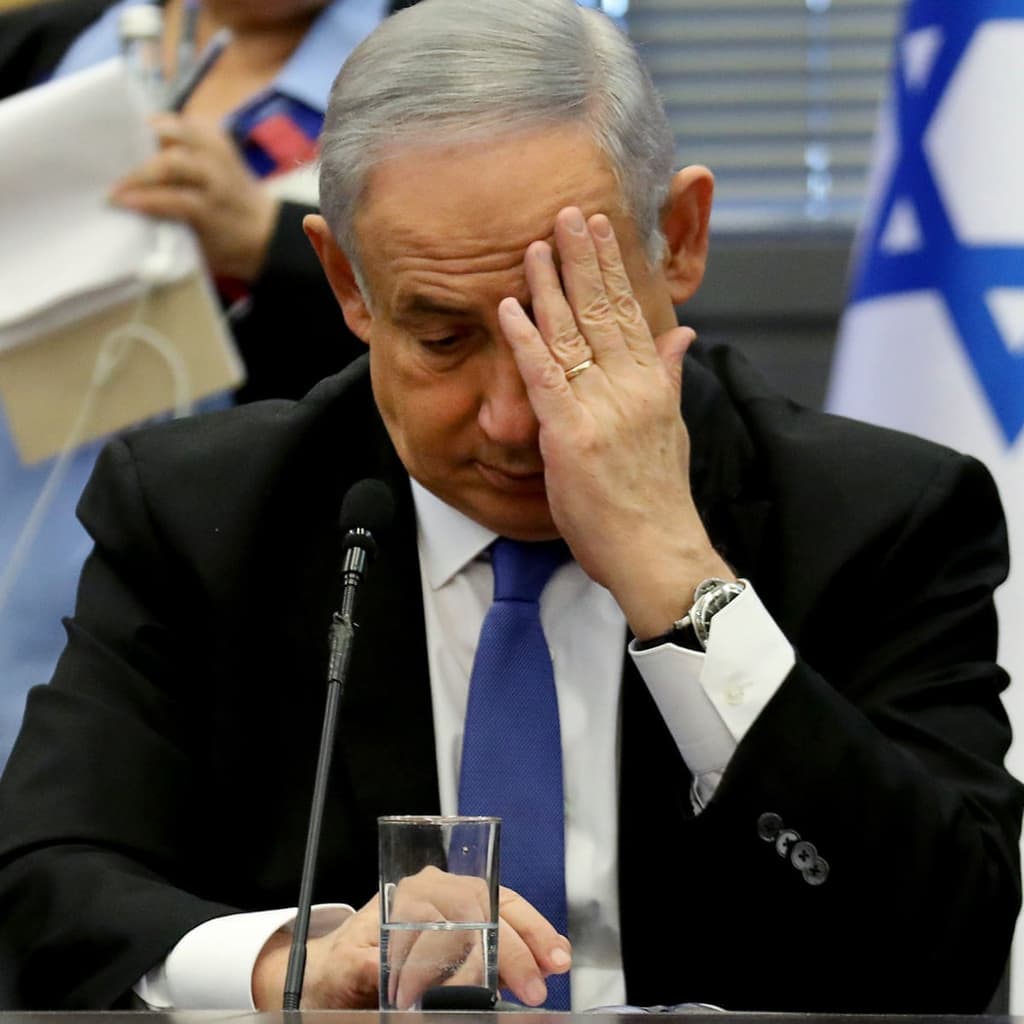
The Knesset’s narrow approval of Israel’s record 2026 state budget on March 29—featuring heavy defense spending and billions for Haredi institutions—averted snap elections triggered by the March 31 deadline, stabilizing Prime Minister Benjamin Netanyahu’s coalition government and providing short-term political security. This follows Netanyahu’s order on March 30 for a deeper military invasion into southern Lebanon amid escalating Hezbollah clashes and the ongoing Iran conflict, where Israeli strikes earlier in March targeted leadership. No active no-confidence votes, resignations, or major coalition fractures have emerged in the past 30 days, though sustained war pressures, public protests, and judicial proceedings could test unity. Traders should watch for Knesset dissension or diplomatic shifts, with Netanyahu hinting at possible elections by September.
Experimental AI-generated summary referencing Polymarket data · UpdatedNetanyahu out by...?
Netanyahu out by...?
$91,365,416 Vol.
March 31
<1%
April 30
2%
June 30
9%
December 31
42%
$91,365,416 Vol.
March 31
<1%
April 30
2%
June 30
9%
December 31
42%
An announcement of Benjamin Netanyahu's resignation/removal before this market's end date will immediately resolve this market to "Yes", regardless of when the announced resignation/removal goes into effect.
The resolution source for this market will be official information from Benjamin Netanyahu and the government of Israel; however, a consensus of credible reporting may also be used.
Market Opened: Mar 2, 2026, 12:20 PM ET
Resolver
0x65070BE91...An announcement of Benjamin Netanyahu's resignation/removal before this market's end date will immediately resolve this market to "Yes", regardless of when the announced resignation/removal goes into effect.
The resolution source for this market will be official information from Benjamin Netanyahu and the government of Israel; however, a consensus of credible reporting may also be used.
Resolver
0x65070BE91...The Knesset’s narrow approval of Israel’s record 2026 state budget on March 29—featuring heavy defense spending and billions for Haredi institutions—averted snap elections triggered by the March 31 deadline, stabilizing Prime Minister Benjamin Netanyahu’s coalition government and providing short-term political security. This follows Netanyahu’s order on March 30 for a deeper military invasion into southern Lebanon amid escalating Hezbollah clashes and the ongoing Iran conflict, where Israeli strikes earlier in March targeted leadership. No active no-confidence votes, resignations, or major coalition fractures have emerged in the past 30 days, though sustained war pressures, public protests, and judicial proceedings could test unity. Traders should watch for Knesset dissension or diplomatic shifts, with Netanyahu hinting at possible elections by September.
Experimental AI-generated summary referencing Polymarket data · Updated
Beware of external links.
Beware of external links.
Frequently Asked Questions