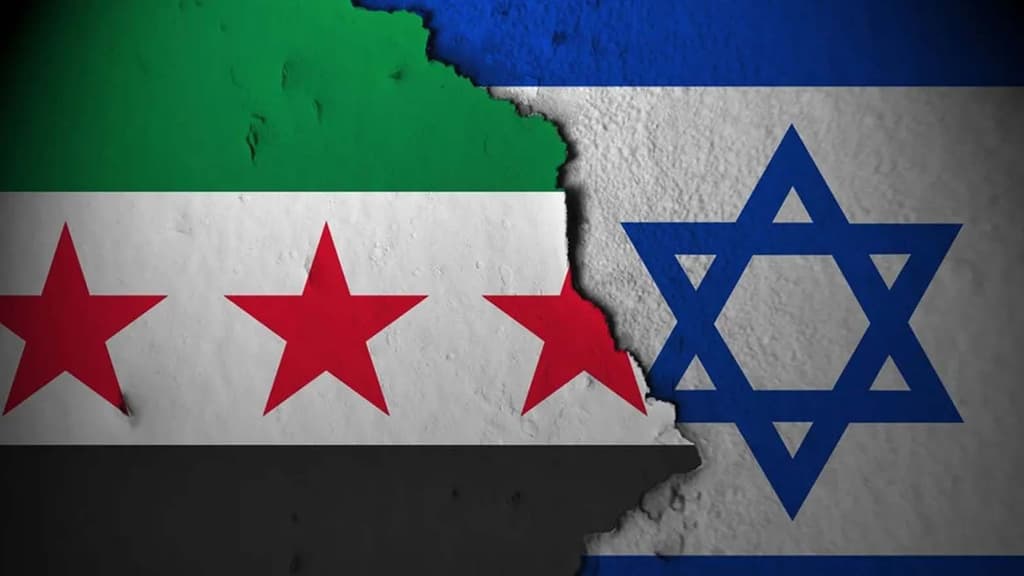
Syrian President Ahmed al-Sharaa's April 1 statement accusing Israel of withdrawing from normalization talks at the last minute has stalled momentum toward a potential security agreement, reflecting persistent diplomatic hurdles. U.S.-mediated discussions resumed in January 2026, yielding a joint coordination mechanism for border de-escalation, but Israeli airstrikes—such as March 20 strikes on Syrian military sites to safeguard Druze communities—and ongoing incursions breaching the 1974 Disengagement Agreement sustain tensions. Syria's distancing from Iran amid regional escalation, including airspace violations during U.S.-Israeli actions, and efforts to disrupt Hezbollah arms routes offer indirect cooperation signals. Trader consensus implies low near-term probabilities, with Golan Heights disputes and southern Syria instability as core barriers; April UN Security Council briefings on political developments could prompt shifts.
Experimental AI-generated summary referencing Polymarket data · UpdatedIsrael x Syria security agreement by...?
Israel x Syria security agreement by...?
$761,582 Vol.
June 30
18%
$761,582 Vol.
June 30
18%
This market refers only to agreements which directly address border security and demarcation, normalization, or diplomatic recognition or otherwise creates a formalized security framework between the two states.
Ceasefire announcements or other announced de-escalations such as those relating to the July 16-18 skirmishes with the Druze, or any other future military engagements, which do not address the broader security relationship will not qualify.
Only deals which are officially announced will qualify. Informal announcements which do not constitute a formalized agreement will not count.
The primary resolution source will be official statements from the Israeli and Syrian governments. However, an agreement which is announced by only of the parties will qualify if an overwhelming consensus of credible reporting confirms that such a formal agreement has been reached.
Market Opened: Jan 5, 2026, 5:55 PM ET
Resolver
0x65070BE91...This market refers only to agreements which directly address border security and demarcation, normalization, or diplomatic recognition or otherwise creates a formalized security framework between the two states.
Ceasefire announcements or other announced de-escalations such as those relating to the July 16-18 skirmishes with the Druze, or any other future military engagements, which do not address the broader security relationship will not qualify.
Only deals which are officially announced will qualify. Informal announcements which do not constitute a formalized agreement will not count.
The primary resolution source will be official statements from the Israeli and Syrian governments. However, an agreement which is announced by only of the parties will qualify if an overwhelming consensus of credible reporting confirms that such a formal agreement has been reached.
Resolver
0x65070BE91...Syrian President Ahmed al-Sharaa's April 1 statement accusing Israel of withdrawing from normalization talks at the last minute has stalled momentum toward a potential security agreement, reflecting persistent diplomatic hurdles. U.S.-mediated discussions resumed in January 2026, yielding a joint coordination mechanism for border de-escalation, but Israeli airstrikes—such as March 20 strikes on Syrian military sites to safeguard Druze communities—and ongoing incursions breaching the 1974 Disengagement Agreement sustain tensions. Syria's distancing from Iran amid regional escalation, including airspace violations during U.S.-Israeli actions, and efforts to disrupt Hezbollah arms routes offer indirect cooperation signals. Trader consensus implies low near-term probabilities, with Golan Heights disputes and southern Syria instability as core barriers; April UN Security Council briefings on political developments could prompt shifts.
Experimental AI-generated summary referencing Polymarket data · Updated


Beware of external links.
Beware of external links.
Frequently Asked Questions