
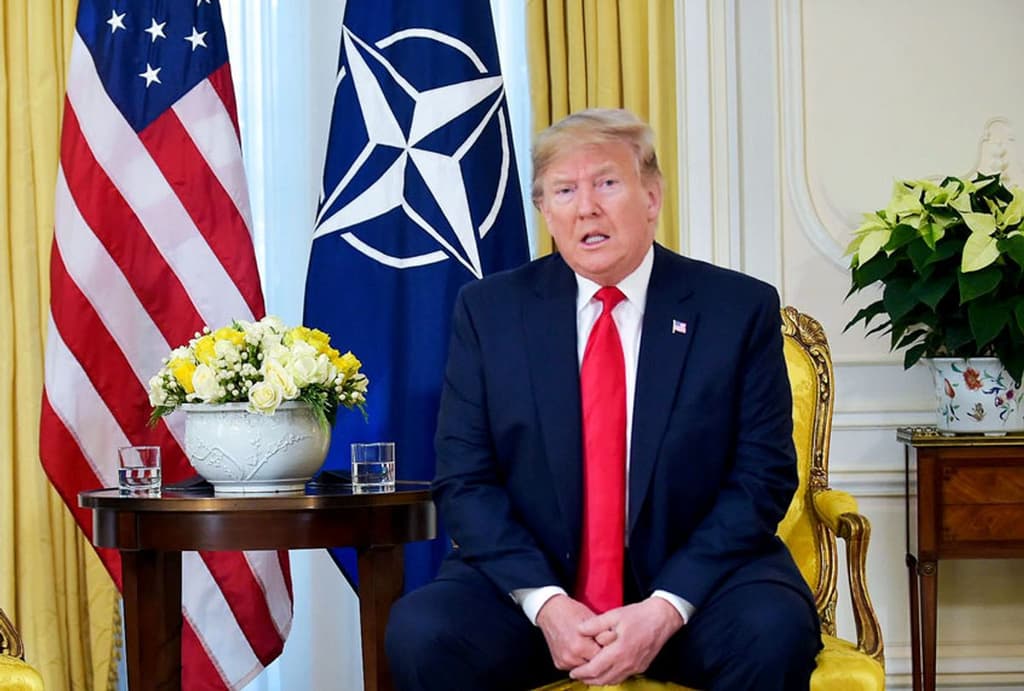
The Trump administration's ongoing Pentagon review of US force posture in Europe, set to conclude by December 2026, drives market attention through announced troop reductions, cancelled deployments, and a shift toward European-led conventional defense under a "NATO 3.0" framework. Officials including Secretary Pete Hegseth and Ambassador Matthew Whitaker have emphasized re-evaluating commitments and redirecting resources to the Indo-Pacific, while stating no plans for alliance exit. Statutory barriers, including the 2023 Kaine-Rubio provision requiring congressional authorization and proposed measures like the NATO Shield Act, add procedural hurdles to formal withdrawal. Recent rhetoric from President Trump on ally spending and past "paper tiger" comments contrast with July 2026 summit assurances against departure, leaving trader focus on whether force drawdowns evolve into treaty termination amid legal and legislative constraints.
Experimental AI-generated summary referencing Polymarket data. This is not trading advice and plays no role in how this market resolves. · UpdatedView resolved
Beware of external links.
Beware of external links.
Frequently Asked Questions