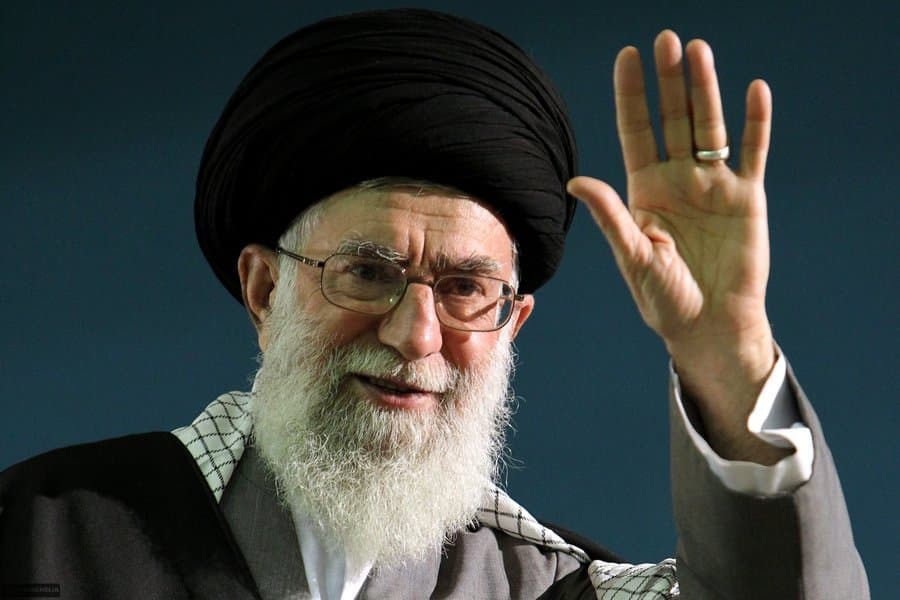
Amid the ongoing US-Israel war with Iran, trader consensus prices Mojtaba Khamenei at 44.6% to remain supreme leader by end-2026 following his March 8 appointment by the Assembly of Experts after father Ali Khamenei's February 28 assassination in airstrikes, though his lack of public appearances—amid reports of injury and IRGC dominance—fuels doubts about his grip on power. Reza Pahlavi holds 13% on recent statements rejecting successor legitimacy, outlining an "Iran Prosperity Project" transition plan, and CPAC pledges for a nuclear-free, non-terrorist Iran, capitalizing on regime vulnerabilities from sustained military pressure and domestic unrest. Lower odds reflect fragmented clerical and military factions amid escalation risks through year's end.
Experimental AI-generated summary referencing Polymarket data · UpdatedIran leader end of 2026?
Iran leader end of 2026?
Mojtaba Khamenei 45.1%
Reza Pahlavi 13%
Hassan Khomeini 5.3%
Mohammad-Bagher Ghalibaf 5.2%
$5,580,667 Vol.
$5,580,667 Vol.
Mojtaba Khamenei
45%
Reza Pahlavi
13%
Hassan Khomeini
5%
Mohammad-Bagher Ghalibaf
5%
Alireza Arafi
5%
No Head of State
4%
Hassan Rouhani
3%
Masoud Pezeshkian
3%
Sadegh Larijani
3%
Mahmoud Ahmadinejad
1%
Abbas Araghchi
1%
Ali Asghar Hejazi
1%
Nasir Hosseini
1%
Muhammad Mirbaqiri
<1%
Maryam Rajavi
<1%
Ahmad Vahidi
<1%
Hassan Shariatmadari
<1%
Ali Motahari
<1%
Mostafa Pourmohammadi
<1%
Mohammad Khatami
<1%
Mohsen Araki
<1%
Seyed Hossein Mousavian
<1%
Navid Shomali
<1%
Saeed Jalili
<1%
Ahmad Hosseini Khorasani
<1%
Gholam-Ali Haddad-Adel
<1%
Sadegh Mahsouli
<1%
Massoud Rajavi
<1%
Reza Pirzadeh
<1%
Mustafa Hijri
<1%
Mojtaba Khamenei 45.1%
Reza Pahlavi 13%
Hassan Khomeini 5.3%
Mohammad-Bagher Ghalibaf 5.2%
$5,580,667 Vol.
$5,580,667 Vol.
Mojtaba Khamenei
45%
Reza Pahlavi
13%
Hassan Khomeini
5%
Mohammad-Bagher Ghalibaf
5%
Alireza Arafi
5%
No Head of State
4%
Hassan Rouhani
3%
Masoud Pezeshkian
3%
Sadegh Larijani
3%
Mahmoud Ahmadinejad
1%
Abbas Araghchi
1%
Ali Asghar Hejazi
1%
Nasir Hosseini
1%
Muhammad Mirbaqiri
<1%
Maryam Rajavi
<1%
Ahmad Vahidi
<1%
Hassan Shariatmadari
<1%
Ali Motahari
<1%
Mostafa Pourmohammadi
<1%
Mohammad Khatami
<1%
Mohsen Araki
<1%
Seyed Hossein Mousavian
<1%
Navid Shomali
<1%
Saeed Jalili
<1%
Ahmad Hosseini Khorasani
<1%
Gholam-Ali Haddad-Adel
<1%
Sadegh Mahsouli
<1%
Massoud Rajavi
<1%
Reza Pirzadeh
<1%
Mustafa Hijri
<1%
For the purposes of this market, “de facto holds” refers to the individual who exercises primary governing authority over the Iranian state at that time, including effective control over the armed forces, national institutions, and core executive decision-making, regardless of formal title, constitutional designation, or international recognition.
Formal appointment, recognition by the United Nations, or recognition by foreign governments is not required.
If more than one individual claims to be head of state, this market will resolve to the individual who demonstrably exercises primary governing control within Iran’s territory at the specified time.
Indicators of de facto authority may include control over the armed forces and security services; control over executive ministries and state administrative institutions; enforcement of national laws; issuance of binding national directives; and effective control over the capital and core state infrastructure.
Symbolic status, foreign recognition without domestic control, nomination without effective authority, or expired prior service will not qualify.
If no individual exercises effective governing control at the specified time, this market will resolve to “No Head of State”.
The primary resolution source will be a consensus of credible reporting assessing who exercises effective governing authority at the specified time.
Market Opened: Feb 28, 2026, 7:12 PM ET
Resolver
0x69c47De9D...For the purposes of this market, “de facto holds” refers to the individual who exercises primary governing authority over the Iranian state at that time, including effective control over the armed forces, national institutions, and core executive decision-making, regardless of formal title, constitutional designation, or international recognition.
Formal appointment, recognition by the United Nations, or recognition by foreign governments is not required.
If more than one individual claims to be head of state, this market will resolve to the individual who demonstrably exercises primary governing control within Iran’s territory at the specified time.
Indicators of de facto authority may include control over the armed forces and security services; control over executive ministries and state administrative institutions; enforcement of national laws; issuance of binding national directives; and effective control over the capital and core state infrastructure.
Symbolic status, foreign recognition without domestic control, nomination without effective authority, or expired prior service will not qualify.
If no individual exercises effective governing control at the specified time, this market will resolve to “No Head of State”.
The primary resolution source will be a consensus of credible reporting assessing who exercises effective governing authority at the specified time.
Resolver
0x69c47De9D...Amid the ongoing US-Israel war with Iran, trader consensus prices Mojtaba Khamenei at 44.6% to remain supreme leader by end-2026 following his March 8 appointment by the Assembly of Experts after father Ali Khamenei's February 28 assassination in airstrikes, though his lack of public appearances—amid reports of injury and IRGC dominance—fuels doubts about his grip on power. Reza Pahlavi holds 13% on recent statements rejecting successor legitimacy, outlining an "Iran Prosperity Project" transition plan, and CPAC pledges for a nuclear-free, non-terrorist Iran, capitalizing on regime vulnerabilities from sustained military pressure and domestic unrest. Lower odds reflect fragmented clerical and military factions amid escalation risks through year's end.
Experimental AI-generated summary referencing Polymarket data · Updated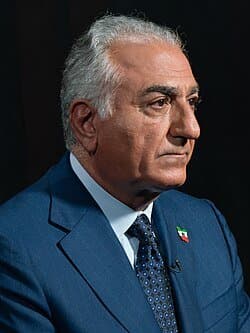
Beware of external links.
Beware of external links.
Frequently Asked Questions