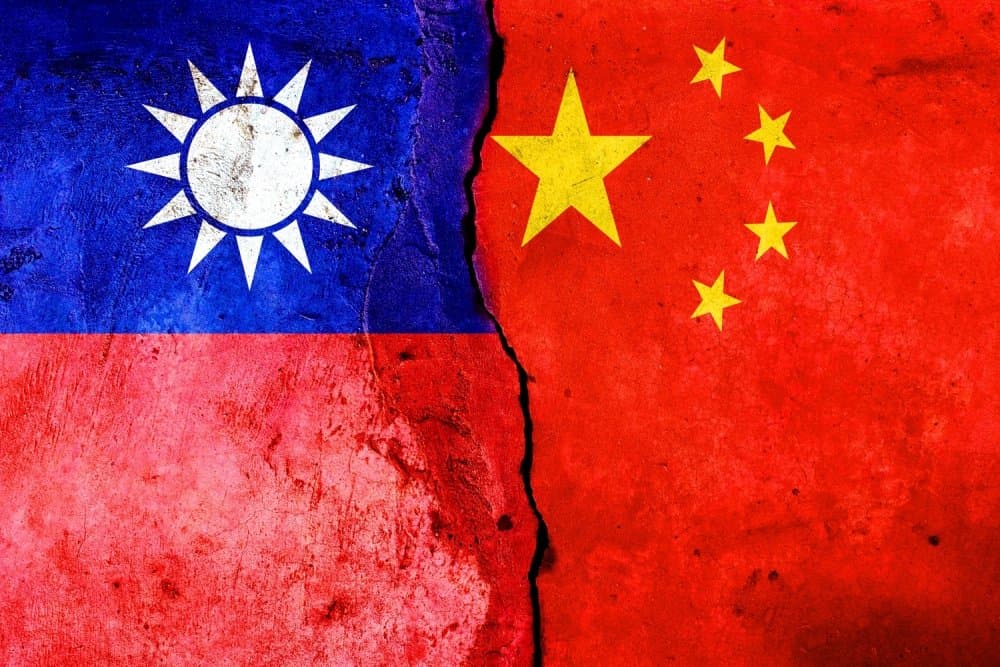
Trader consensus prices "No" at 99.8% implied probability for a Chinese invasion of Taiwan by March 31, 2026, driven by the complete absence of verifiable People's Liberation Army (PLA) mobilization, amphibious assault preparations, or Taiwan Strait blockade signals amid routine naval and air exercises through late October 2024. Recent cross-strait developments remain de-escalatory, including China's humanitarian aid offers post-Taiwan's October 3 earthquake and normalized diplomatic channels despite President Lai Ching-te's Pacific tour rhetoric. Robust US deterrence—via ongoing arms sales, Taiwan Relations Act commitments, and alliances like AUKUS and QUAD—coupled with prohibitive economic costs of global trade disruption and PLA modernization timelines targeting 2027, solidify trader confidence. Potential shifts include abrupt PLA buildups, post-US election policy pivots, or failed high-level summits.
Experimental AI-generated summary referencing Polymarket data · UpdatedWill China invade Taiwan by March 31, 2026?
Will China invade Taiwan by March 31, 2026?
$9,554,211 Vol.
$9,554,211 Vol.
$9,554,211 Vol.
$9,554,211 Vol.
Territory under the administration of the Republic of China, including any inhabited islands, will qualify; however, uninhabited islands will not qualify.
The resolution source for this market will be official confirmation by China, Taiwan, the United Nations, or any permanent member of the UN Security Council; however, a consensus of credible reporting will also be used.
Market Opened: Nov 24, 2025, 12:47 PM ET
Resolver
0x65070BE91...Territory under the administration of the Republic of China, including any inhabited islands, will qualify; however, uninhabited islands will not qualify.
The resolution source for this market will be official confirmation by China, Taiwan, the United Nations, or any permanent member of the UN Security Council; however, a consensus of credible reporting will also be used.
Resolver
0x65070BE91...Trader consensus prices "No" at 99.8% implied probability for a Chinese invasion of Taiwan by March 31, 2026, driven by the complete absence of verifiable People's Liberation Army (PLA) mobilization, amphibious assault preparations, or Taiwan Strait blockade signals amid routine naval and air exercises through late October 2024. Recent cross-strait developments remain de-escalatory, including China's humanitarian aid offers post-Taiwan's October 3 earthquake and normalized diplomatic channels despite President Lai Ching-te's Pacific tour rhetoric. Robust US deterrence—via ongoing arms sales, Taiwan Relations Act commitments, and alliances like AUKUS and QUAD—coupled with prohibitive economic costs of global trade disruption and PLA modernization timelines targeting 2027, solidify trader confidence. Potential shifts include abrupt PLA buildups, post-US election policy pivots, or failed high-level summits.
Experimental AI-generated summary referencing Polymarket data · Updated


Beware of external links.
Beware of external links.
Frequently Asked Questions