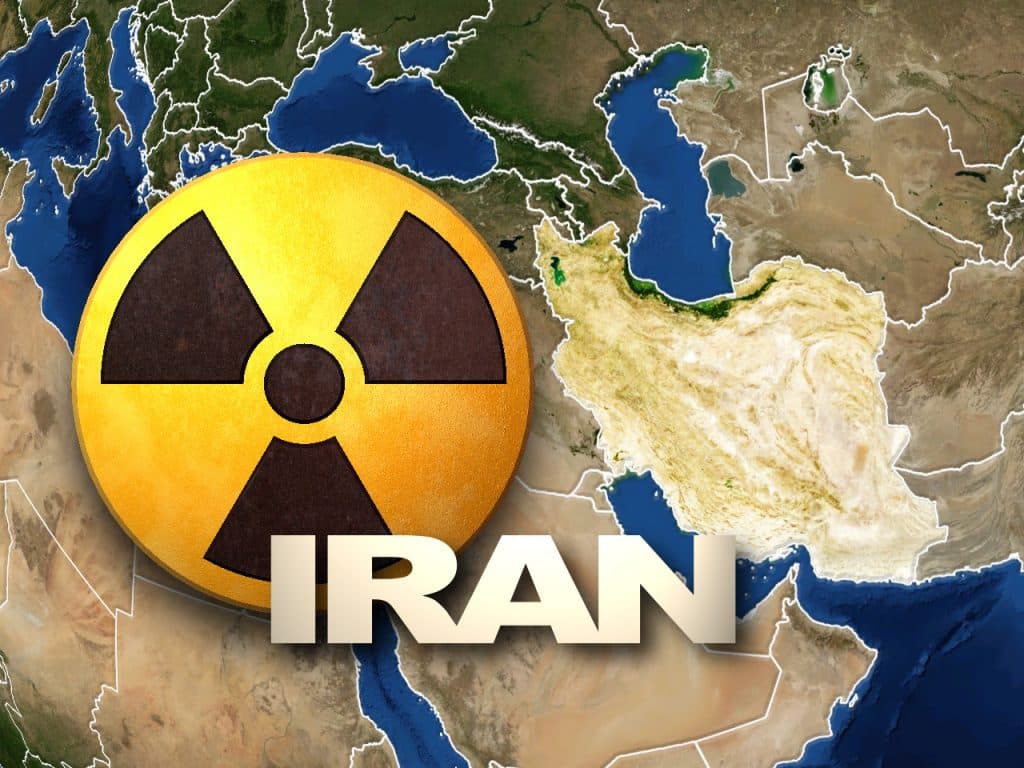
Recent U.S. and Israeli strikes on Iranian nuclear facilities, including Natanz, Isfahan, and Taleghan 2 in 2025 and early 2026, have substantially degraded enrichment and weaponization infrastructure, according to U.S. intelligence assessments. These operations extended Iran's estimated breakout timeline to roughly nine to twelve months or longer as of mid-2026, with satellite imagery confirming damage to key sites and ongoing Iranian reconstruction efforts under heightened scrutiny. IAEA monitoring, combined with diplomatic pressures and sanctions, has reinforced containment. Traders price the "No" outcome at 94.5% largely because verifiable setbacks make an underground nuclear test before January 2027 improbable absent rapid undetected advances.
Experimental AI-generated summary referencing Polymarket data. This is not trading advice and plays no role in how this market resolves. · UpdatedIran nuclear test before 2027?
$228,771 Vol.
$228,771 Vol.
$228,771 Vol.
$228,771 Vol.
A nuclear test is defined as the intentional non-combat detonation of a device by Iran that produces a nuclear chain reaction (fission or fusion), regardless of yield.
Accidents, radiological dispersal devices (bombs that spread radioactive material using conventional explosives such as "dirty bombs"), or actions by third parties will not count toward this market's resolution.
Tests not explicitly claimed by Iran may still qualify if a clear consensus of credible reporting attributes the nuclear detonation to Iran. For example, an unclaimed nuclear test analogous to the 1979 "Vela Incident" would count if credible reporting attributes it to Iran.
The resolution source for this market will be a broad consensus of credible reporting.
Market Opened: Nov 5, 2025, 2:43 PM ET
Resolver
0x65070BE91...A nuclear test is defined as the intentional non-combat detonation of a device by Iran that produces a nuclear chain reaction (fission or fusion), regardless of yield.
Accidents, radiological dispersal devices (bombs that spread radioactive material using conventional explosives such as "dirty bombs"), or actions by third parties will not count toward this market's resolution.
Tests not explicitly claimed by Iran may still qualify if a clear consensus of credible reporting attributes the nuclear detonation to Iran. For example, an unclaimed nuclear test analogous to the 1979 "Vela Incident" would count if credible reporting attributes it to Iran.
The resolution source for this market will be a broad consensus of credible reporting.
Resolver
0x65070BE91...Recent U.S. and Israeli strikes on Iranian nuclear facilities, including Natanz, Isfahan, and Taleghan 2 in 2025 and early 2026, have substantially degraded enrichment and weaponization infrastructure, according to U.S. intelligence assessments. These operations extended Iran's estimated breakout timeline to roughly nine to twelve months or longer as of mid-2026, with satellite imagery confirming damage to key sites and ongoing Iranian reconstruction efforts under heightened scrutiny. IAEA monitoring, combined with diplomatic pressures and sanctions, has reinforced containment. Traders price the "No" outcome at 94.5% largely because verifiable setbacks make an underground nuclear test before January 2027 improbable absent rapid undetected advances.
Experimental AI-generated summary referencing Polymarket data. This is not trading advice and plays no role in how this market resolves. · Updated


Beware of external links.
Frequently Asked Questions