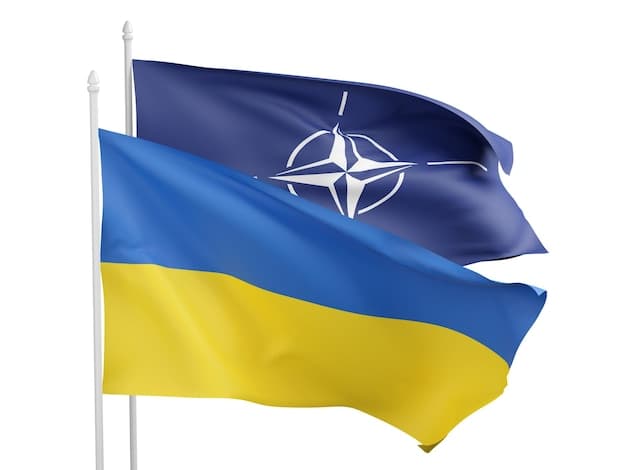
NATO Secretary General Mark Rutte and alliance leaders continue to rule out deploying combat troops to fight in Ukraine, stressing that direct involvement risks catastrophic escalation with Russia while prioritizing weapons aid, training, and sanctions. Following Donald Trump's U.S. election victory on November 5, traders price in lower escalation odds amid his pledges for swift peace talks and reduced U.S. commitments, reinforced by recent €40 billion EU aid pledges without troop escalations. Ukraine's Kursk incursion and North Korean reinforcements to Russia heighten frontline pressures but have prompted no NATO combat shift. Key upcoming events include NATO defense ministerial in February 2025 and Trump's January inauguration, which could pivot diplomacy or aid flows.
Experimental AI-generated summary referencing Polymarket data · Updated$267,974 Vol.
June 30, 2026
4%
$267,974 Vol.
June 30, 2026
4%
For military personnel to qualify toward a "Yes" resolution, they must be 1) officially acknowledged as active military by the NATO or EU entity or member state they are affiliated with; 2) be publicly acknowledged by NATO or an EU-affiliated entity to have entered Ukraine for a combat-related military purpose directly pertaining to the ongoing conflict with Russia.
For military personnel to qualify toward a "Yes" resolution they need be active duty and acknowledged as described above. Participation in a combat role is necessary for this market to resolve to "Yes" (e.g. military personnel providing training or intelligence support would not qualify toward a "Yes" resolution, however drone pilots or infantry directly attacking Russian troops, or soldiers targeting and downing missiles from Ukrainian soil would qualify toward a "Yes" resolution).
The primary resolution source for this market will be official information from NATO, the EU, or member states of either entity, however a consensus of credible reporting will also be used.
Market Opened: Sep 23, 2025, 5:15 PM ET
Resolver
0x65070BE91...For military personnel to qualify toward a "Yes" resolution, they must be 1) officially acknowledged as active military by the NATO or EU entity or member state they are affiliated with; 2) be publicly acknowledged by NATO or an EU-affiliated entity to have entered Ukraine for a combat-related military purpose directly pertaining to the ongoing conflict with Russia.
For military personnel to qualify toward a "Yes" resolution they need be active duty and acknowledged as described above. Participation in a combat role is necessary for this market to resolve to "Yes" (e.g. military personnel providing training or intelligence support would not qualify toward a "Yes" resolution, however drone pilots or infantry directly attacking Russian troops, or soldiers targeting and downing missiles from Ukrainian soil would qualify toward a "Yes" resolution).
The primary resolution source for this market will be official information from NATO, the EU, or member states of either entity, however a consensus of credible reporting will also be used.
Resolver
0x65070BE91...NATO Secretary General Mark Rutte and alliance leaders continue to rule out deploying combat troops to fight in Ukraine, stressing that direct involvement risks catastrophic escalation with Russia while prioritizing weapons aid, training, and sanctions. Following Donald Trump's U.S. election victory on November 5, traders price in lower escalation odds amid his pledges for swift peace talks and reduced U.S. commitments, reinforced by recent €40 billion EU aid pledges without troop escalations. Ukraine's Kursk incursion and North Korean reinforcements to Russia heighten frontline pressures but have prompted no NATO combat shift. Key upcoming events include NATO defense ministerial in February 2025 and Trump's January inauguration, which could pivot diplomacy or aid flows.
Experimental AI-generated summary referencing Polymarket data · Updated
Beware of external links.
Beware of external links.
Frequently Asked Questions