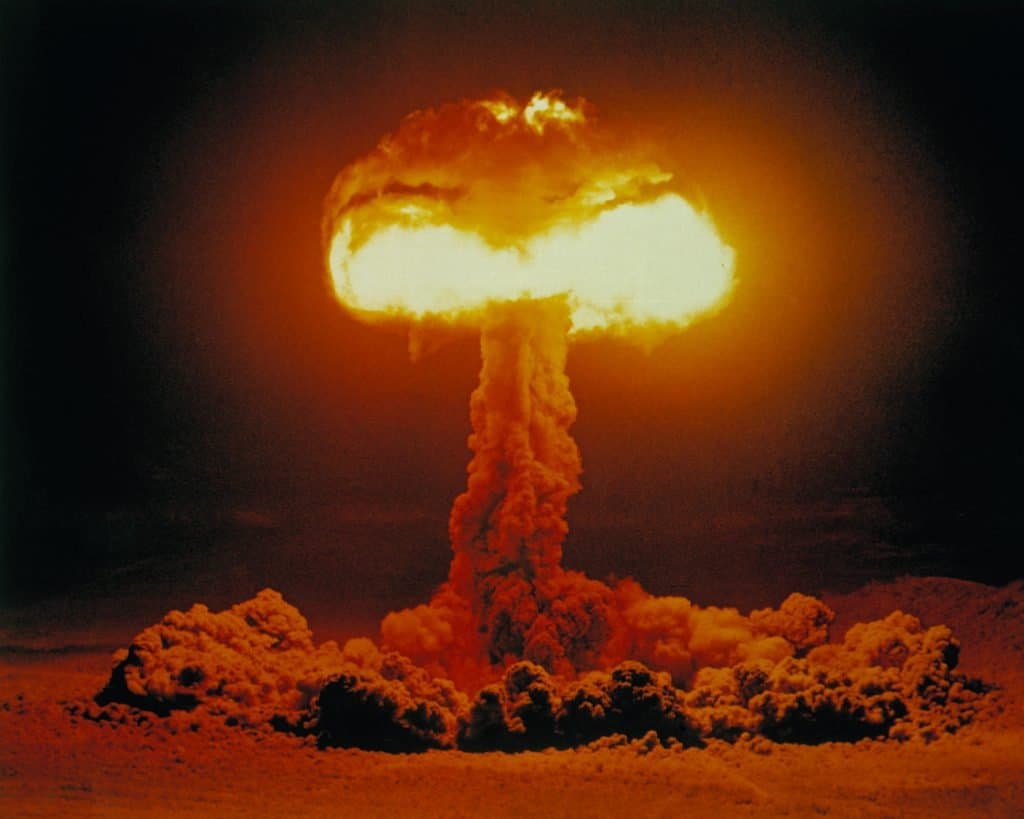
The United States has observed a voluntary moratorium on nuclear explosive testing since its last underground detonation in 1992, adhering to the unratified Comprehensive Nuclear-Test-Ban Treaty amid ongoing stockpile stewardship programs at sites like Nevada National Security Site. President Trump's October 2025 statements signaling potential resumption—prompted by perceived Russian and Chinese advancements—drove initial speculation, but National Nuclear Security Administration officials reaffirmed in early May 2026 no technical or military basis exists for restarting full-scale tests, with FY2026 budgets prioritizing non-explosive research over $4 billion. Accusations of covert Chinese testing in February persist without verification, while unconfirmed seismic rumors from late April were dismissed. Congressional holds on funding and diplomatic pressures maintain low trader consensus for near-term tests, with resolution tied to official DOE announcements before December 31, 2026.
Experimental AI-generated summary referencing Polymarket data. This is not trading advice and plays no role in how this market resolves. · UpdatedU.S. nuclear test by...?
U.S. nuclear test by...?
$658,123 Vol.
June 30, 2026
3%
September 30, 2026
6%
December 31, 2026
10%
$658,123 Vol.
June 30, 2026
3%
September 30, 2026
6%
December 31, 2026
10%
A nuclear test is defined as the intentional non-combat detonation of a device by the US that produces a nuclear chain reaction (fission or fusion), regardless of yield.
Accidents, radiological dispersal devices (bombs that spread radioactive material using conventional explosives such as "dirty bombs"), or actions by third parties will not count toward this market's resolution.
Tests not explicitly claimed by US may still qualify if a clear consensus of credible reporting attributes the nuclear detonation to US. For example, an unclaimed nuclear test analogous to the 1979 "Vela Incident" would count if credible reporting attributes it to the US.
The resolution source for this market will be a broad consensus of credible reporting.
Market Opened: Mar 31, 2026, 3:32 PM ET
Resolver
0x65070BE91...A nuclear test is defined as the intentional non-combat detonation of a device by the US that produces a nuclear chain reaction (fission or fusion), regardless of yield.
Accidents, radiological dispersal devices (bombs that spread radioactive material using conventional explosives such as "dirty bombs"), or actions by third parties will not count toward this market's resolution.
Tests not explicitly claimed by US may still qualify if a clear consensus of credible reporting attributes the nuclear detonation to US. For example, an unclaimed nuclear test analogous to the 1979 "Vela Incident" would count if credible reporting attributes it to the US.
The resolution source for this market will be a broad consensus of credible reporting.
Resolver
0x65070BE91...The United States has observed a voluntary moratorium on nuclear explosive testing since its last underground detonation in 1992, adhering to the unratified Comprehensive Nuclear-Test-Ban Treaty amid ongoing stockpile stewardship programs at sites like Nevada National Security Site. President Trump's October 2025 statements signaling potential resumption—prompted by perceived Russian and Chinese advancements—drove initial speculation, but National Nuclear Security Administration officials reaffirmed in early May 2026 no technical or military basis exists for restarting full-scale tests, with FY2026 budgets prioritizing non-explosive research over $4 billion. Accusations of covert Chinese testing in February persist without verification, while unconfirmed seismic rumors from late April were dismissed. Congressional holds on funding and diplomatic pressures maintain low trader consensus for near-term tests, with resolution tied to official DOE announcements before December 31, 2026.
Experimental AI-generated summary referencing Polymarket data. This is not trading advice and plays no role in how this market resolves. · Updated


Beware of external links.
Frequently Asked Questions