
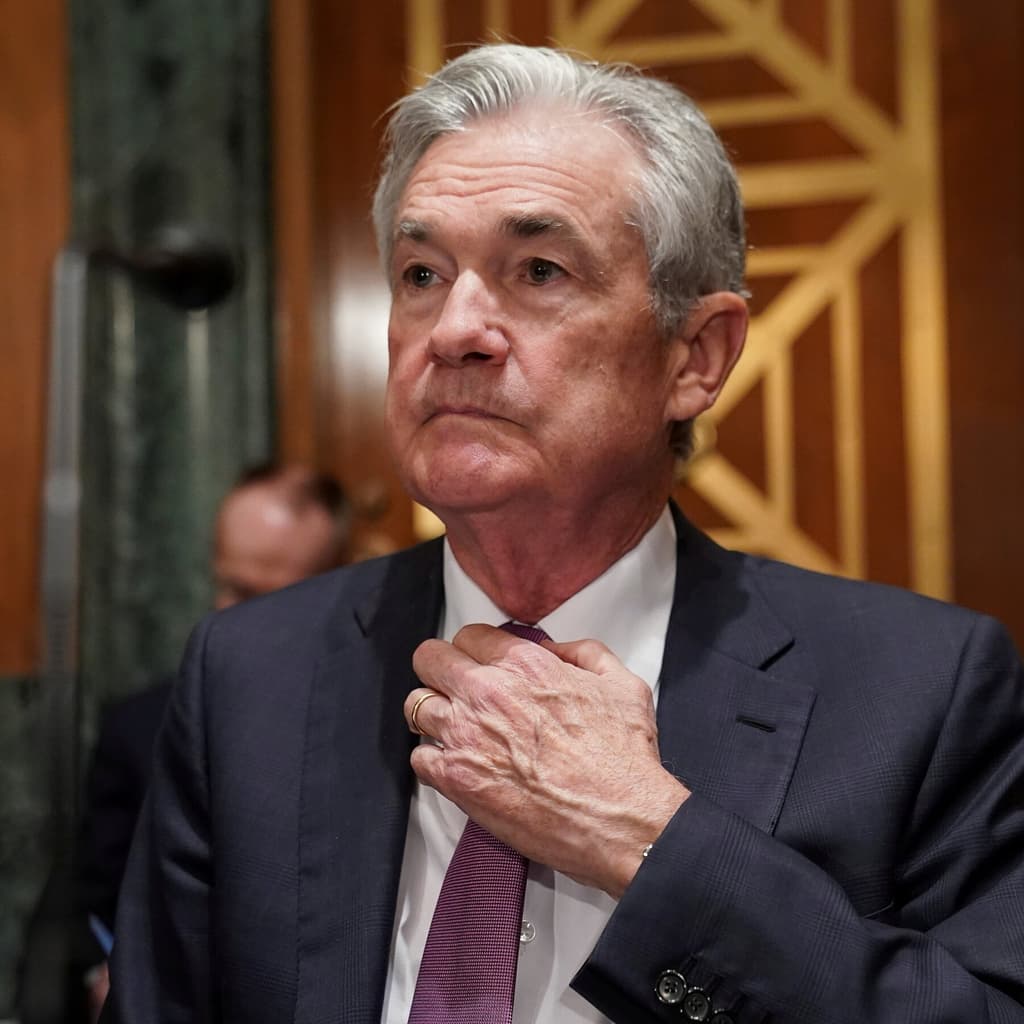
Recent FOMC minutes from the September 15-16 meeting highlight persistent inflation above the 2% target as the dominant driver of policy expectations, with core PCE at 3.0% and headline at 3.4% for August after revisions. The Committee raised the federal funds target range 25 basis points to 3.75-4.00% and signaled that most participants view another hike as likely appropriate before year-end, reflecting a still-resilient labor market with unemployment near 4.1%. Traders are pricing limited odds of a cut at the October 27-28 meeting, with focus shifting to the October 14 CPI release and December 8-9 FOMC decision that includes updated projections. Treasury yields and futures markets embed expectations for the policy path amid upside inflation risks.
Experimental AI-generated summary referencing Polymarket data. This is not trading advice and plays no role in how this market resolves. · UpdatedView resolved
Beware of external links.
Beware of external links.
Frequently Asked Questions