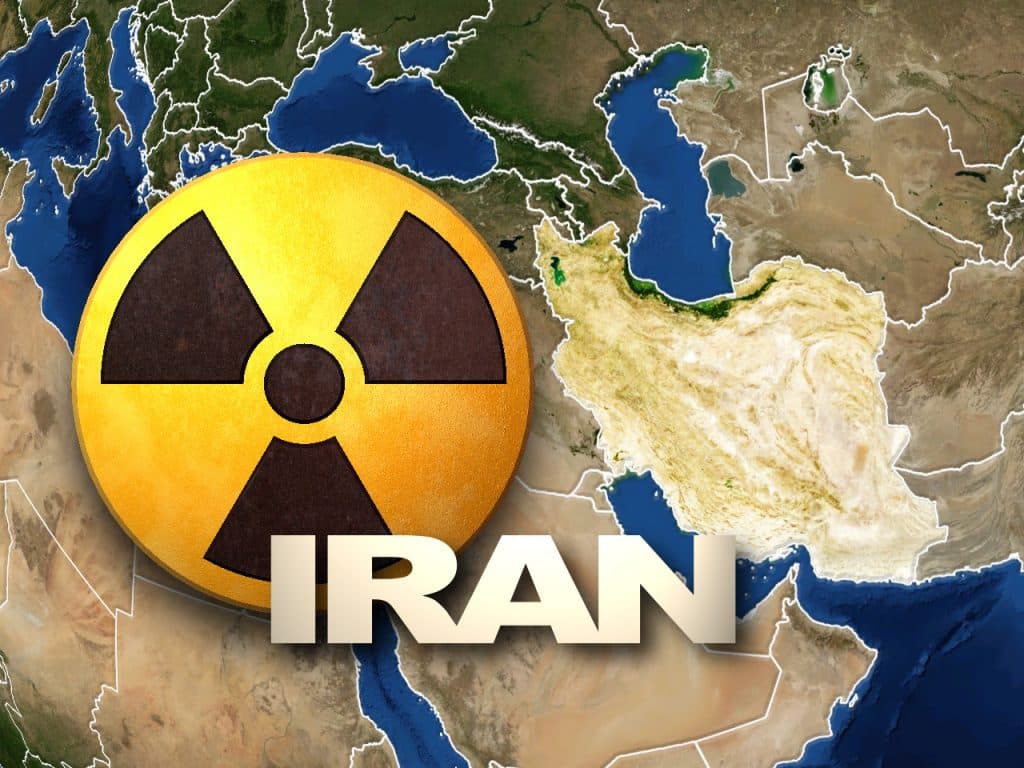
US intelligence assessments released May 4 indicate recent US and Israeli strikes caused only limited additional damage to Iran's nuclear program, leaving the timeline for weaponization unchanged at 9-12 months despite prior 2025 operations like Midnight Hammer. IAEA reports from February highlight ongoing access restrictions to key sites, but no verified explosive testing or advanced weaponization activities. With no diplomatic breakthroughs—Iran confirming stalled US talks—and fragile ceasefires amid escalation risks, traders price a nuclear test before year-end 2026 as improbable, reflecting consensus on structural barriers including sanctions, monitoring gaps, and potential further military action that could preempt any sprint to test. Late developments like regime shifts or hidden stockpiles could shift odds, though current evidence points firmly against it.
Experimental AI-generated summary referencing Polymarket data. This is not trading advice and plays no role in how this market resolves. · UpdatedIran nuclear test before 2027?
Iran nuclear test before 2027?
$192,418 Vol.
$192,418 Vol.
$192,418 Vol.
$192,418 Vol.
A nuclear test is defined as the intentional non-combat detonation of a device by Iran that produces a nuclear chain reaction (fission or fusion), regardless of yield.
Accidents, radiological dispersal devices (bombs that spread radioactive material using conventional explosives such as "dirty bombs"), or actions by third parties will not count toward this market's resolution.
Tests not explicitly claimed by Iran may still qualify if a clear consensus of credible reporting attributes the nuclear detonation to Iran. For example, an unclaimed nuclear test analogous to the 1979 "Vela Incident" would count if credible reporting attributes it to Iran.
The resolution source for this market will be a broad consensus of credible reporting.
Market Opened: Nov 5, 2025, 2:43 PM ET
Resolver
0x65070BE91...A nuclear test is defined as the intentional non-combat detonation of a device by Iran that produces a nuclear chain reaction (fission or fusion), regardless of yield.
Accidents, radiological dispersal devices (bombs that spread radioactive material using conventional explosives such as "dirty bombs"), or actions by third parties will not count toward this market's resolution.
Tests not explicitly claimed by Iran may still qualify if a clear consensus of credible reporting attributes the nuclear detonation to Iran. For example, an unclaimed nuclear test analogous to the 1979 "Vela Incident" would count if credible reporting attributes it to Iran.
The resolution source for this market will be a broad consensus of credible reporting.
Resolver
0x65070BE91...US intelligence assessments released May 4 indicate recent US and Israeli strikes caused only limited additional damage to Iran's nuclear program, leaving the timeline for weaponization unchanged at 9-12 months despite prior 2025 operations like Midnight Hammer. IAEA reports from February highlight ongoing access restrictions to key sites, but no verified explosive testing or advanced weaponization activities. With no diplomatic breakthroughs—Iran confirming stalled US talks—and fragile ceasefires amid escalation risks, traders price a nuclear test before year-end 2026 as improbable, reflecting consensus on structural barriers including sanctions, monitoring gaps, and potential further military action that could preempt any sprint to test. Late developments like regime shifts or hidden stockpiles could shift odds, though current evidence points firmly against it.
Experimental AI-generated summary referencing Polymarket data. This is not trading advice and plays no role in how this market resolves. · Updated


Beware of external links.
Frequently Asked Questions