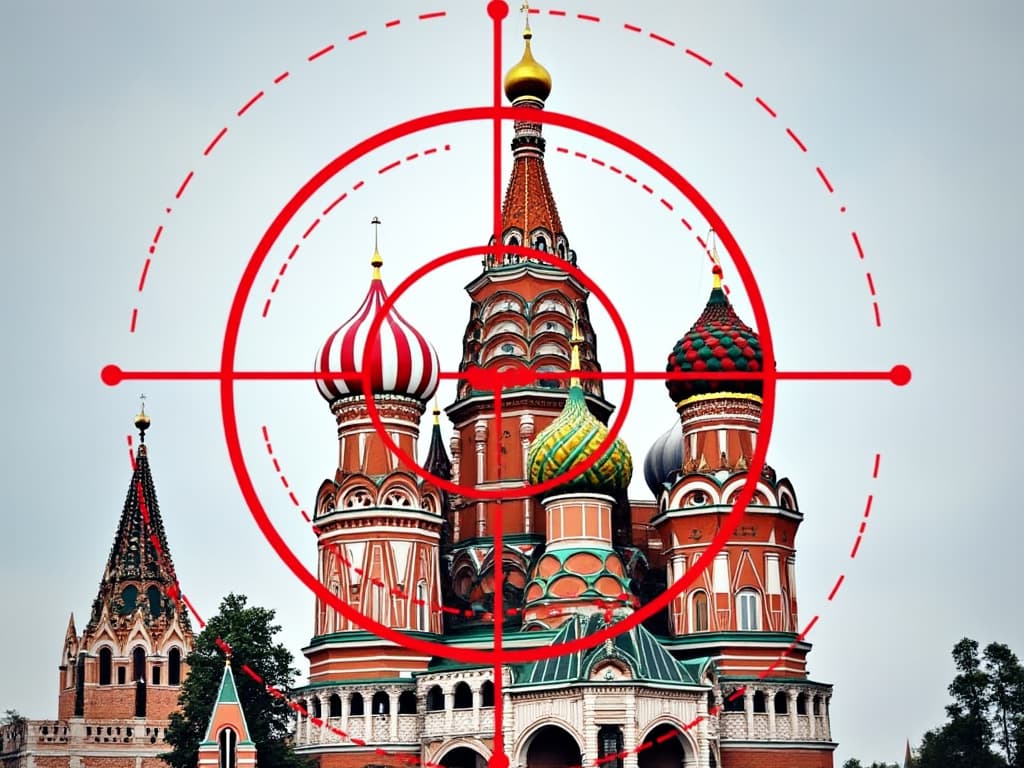
Ukrainian drone strikes on Russian territory have escalated in recent weeks, with Moscow Mayor Sergei Sobyanin reporting the interception of over 250 drones approaching the capital on March 15-16, 2026, followed by additional waves including one downed near Moscow on March 27. These operations underscore Ukraine's expanding long-range drone capabilities amid intensified aerial warfare, as Russia responded with record barrages—nearly 1,000 drones in 24 hours on March 24—targeting Ukrainian cities like Lviv and Odesa. No verified impacts have occurred in Moscow city proper during this period, reflecting robust Russian air defenses, though sustained Ukrainian production and tactical innovations could test these limits. Key factors include interception success rates, supply chain resilience, and potential diplomatic shifts influencing escalation.
Experimental AI-generated summary referencing Polymarket data · Updated$136,853 Vol.
March 31
3%
April 15
9%
April 30
17%
$136,853 Vol.
March 31
3%
April 15
9%
April 30
17%
For the purposes of this market, a qualifying "strike" is defined as the use of aerial bombs, drones, or missiles (including cruise or ballistic missiles) launched by Ukrainian armed forces that impact Moscow municipality's ground territory.
A strike on any area within the terrestrial territory of the Moscow municipality counts.
Missiles or drones that are intercepted and surface-to-air missile strikes will not be sufficient for a "Yes" resolution, regardless of whether they land on the Moscow municipality's territory or cause damage.
Actions such as artillery fire, small arms fire, FPV or ATGM strikes, ground incursions, naval shelling, cyberattacks, or other operations conducted by the Ukrainian armed forces will not qualify.
The primary resolution source will be official government/military statements (Ukrainian or Russian), multilateral bodies (UN, etc.), or a consensus of credible reporting from major international media and national broadcasters/newspapers.
If the date/time of a strike cannot be confirmed by a consensus of credible reporting within 48 hours of this market's end date, it will resolve to "No" regardless of whether a strike was later confirmed to have taken place.
Market Opened: Feb 16, 2026, 4:37 PM ET
Resolver
0x65070BE91...For the purposes of this market, a qualifying "strike" is defined as the use of aerial bombs, drones, or missiles (including cruise or ballistic missiles) launched by Ukrainian armed forces that impact Moscow municipality's ground territory.
A strike on any area within the terrestrial territory of the Moscow municipality counts.
Missiles or drones that are intercepted and surface-to-air missile strikes will not be sufficient for a "Yes" resolution, regardless of whether they land on the Moscow municipality's territory or cause damage.
Actions such as artillery fire, small arms fire, FPV or ATGM strikes, ground incursions, naval shelling, cyberattacks, or other operations conducted by the Ukrainian armed forces will not qualify.
The primary resolution source will be official government/military statements (Ukrainian or Russian), multilateral bodies (UN, etc.), or a consensus of credible reporting from major international media and national broadcasters/newspapers.
If the date/time of a strike cannot be confirmed by a consensus of credible reporting within 48 hours of this market's end date, it will resolve to "No" regardless of whether a strike was later confirmed to have taken place.
Resolver
0x65070BE91...Ukrainian drone strikes on Russian territory have escalated in recent weeks, with Moscow Mayor Sergei Sobyanin reporting the interception of over 250 drones approaching the capital on March 15-16, 2026, followed by additional waves including one downed near Moscow on March 27. These operations underscore Ukraine's expanding long-range drone capabilities amid intensified aerial warfare, as Russia responded with record barrages—nearly 1,000 drones in 24 hours on March 24—targeting Ukrainian cities like Lviv and Odesa. No verified impacts have occurred in Moscow city proper during this period, reflecting robust Russian air defenses, though sustained Ukrainian production and tactical innovations could test these limits. Key factors include interception success rates, supply chain resilience, and potential diplomatic shifts influencing escalation.
Experimental AI-generated summary referencing Polymarket data · Updated

Beware of external links.
Beware of external links.
Frequently Asked Questions