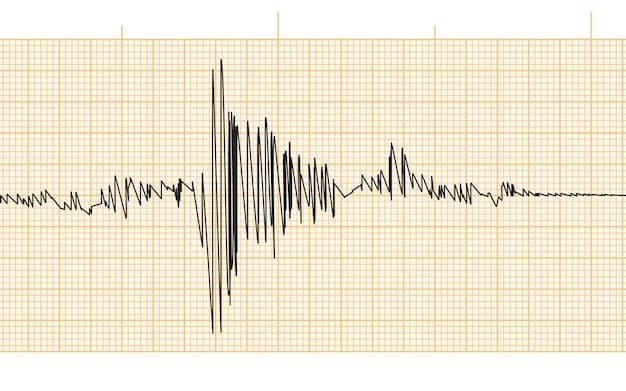
With only two magnitude 7.0+ earthquakes recorded by USGS in 2026 so far—a deep M7.0 offshore Sabah, Malaysia on February 22 and M7.5 west of Tonga on March 24—traders price a below-average year, implying 11–13 events (30.5%) narrowly ahead of 14–16 (25%). This slow first-quarter pace trails the long-term global average of 15–16 major quakes annually along plate boundaries, yet seismic activity follows a Poisson distribution with high year-to-year variability, including potential clustering in subduction zones like the Pacific Ring of Fire. No unusual precursors or heightened monitoring alerts from USGS differentiate outcomes; continuous real-time catalogs will refine trader consensus as the year progresses.
Experimental AI-generated summary referencing Polymarket data · UpdatedHow many 7.0 or above earthquakes in 2026?
How many 7.0 or above earthquakes in 2026?
11–13 31%
14–16 25%
8–10 21%
17–19 15%
$1,089,118 Vol.
$1,089,118 Vol.
Dec 31, 2026
<5
<1%
5–7
3%
8–10
21%
11–13
31%
14–16
25%
17–19
15%
20+
8%
11–13 31%
14–16 25%
8–10 21%
17–19 15%
$1,089,118 Vol.
$1,089,118 Vol.
Dec 31, 2026
<5
$160,765 Vol.
<1%
5–7
$62,879 Vol.
3%
8–10
$117,422 Vol.
21%
11–13
$376,948 Vol.
31%
14–16
$126,535 Vol.
25%
17–19
$194,813 Vol.
15%
20+
$49,758 Vol.
8%
This market will resolve according to the total number of earthquakes with a magnitude of 7.0 or higher that occur anywhere on Earth between January 1 and December 31, 2026, 11:59 PM ET.
The resolution source for this market is the United States Geological Survey (USGS) Earthquake Hazards Program (https://earthquake.usgs.gov/earthquakes/browse/significant.php#sigdef).
If an earthquake of substantial size has occurred within this market's timeframe but not yet appeared on the resolution source, this market may remain open until January 7, 2027, 11:59 PM ET, or until the earthquake in question otherwise appears on the resolution source. If such an earthquake has not appeared on the resolution source by that date, another credible resolution source will be used.With only two magnitude 7.0+ earthquakes recorded by USGS in 2026 so far—a deep M7.0 offshore Sabah, Malaysia on February 22 and M7.5 west of Tonga on March 24—traders price a below-average year, implying 11–13 events (30.5%) narrowly ahead of 14–16 (25%). This slow first-quarter pace trails the long-term global average of 15–16 major quakes annually along plate boundaries, yet seismic activity follows a Poisson distribution with high year-to-year variability, including potential clustering in subduction zones like the Pacific Ring of Fire. No unusual precursors or heightened monitoring alerts from USGS differentiate outcomes; continuous real-time catalogs will refine trader consensus as the year progresses.
This market will resolve according to the total number of earthquakes with a magnitude of 7.0 or higher that occur anywhere on Earth between January 1 and December 31, 2026, 11:59 PM ET.
The resolution source for this market is the United States Geological Survey (USGS) Earthquake Hazards Program (https://earthquake.usgs.gov/earthquakes/browse/significant.php#sigdef).
If an earthquake of substantial size has occurred within this market's timeframe but not yet appeared on the resolution source, this market may remain open until January 7, 2027, 11:59 PM ET, or until the earthquake in question otherwise appears on the resolution source. If such an earthquake has not appeared on the resolution source by that date, another credible resolution source will be used.
The resolution source for this market is the United States Geological Survey (USGS) Earthquake Hazards Program (https://earthquake.usgs.gov/earthquakes/browse/significant.php#sigdef).
If an earthquake of substantial size has occurred within this market's timeframe but not yet appeared on the resolution source, this market may remain open until January 7, 2027, 11:59 PM ET, or until the earthquake in question otherwise appears on the resolution source. If such an earthquake has not appeared on the resolution source by that date, another credible resolution source will be used.
Market Opened: Dec 31, 2025, 12:10 PM ET
Volume
$1,089,118End Date
Dec 31, 2026Market Opened
Dec 31, 2025, 12:10 PM ETResolver
0x2F5e3684c...This market will resolve according to the total number of earthquakes with a magnitude of 7.0 or higher that occur anywhere on Earth between January 1 and December 31, 2026, 11:59 PM ET.
The resolution source for this market is the United States Geological Survey (USGS) Earthquake Hazards Program (https://earthquake.usgs.gov/earthquakes/browse/significant.php#sigdef).
If an earthquake of substantial size has occurred within this market's timeframe but not yet appeared on the resolution source, this market may remain open until January 7, 2027, 11:59 PM ET, or until the earthquake in question otherwise appears on the resolution source. If such an earthquake has not appeared on the resolution source by that date, another credible resolution source will be used.With only two magnitude 7.0+ earthquakes recorded by USGS in 2026 so far—a deep M7.0 offshore Sabah, Malaysia on February 22 and M7.5 west of Tonga on March 24—traders price a below-average year, implying 11–13 events (30.5%) narrowly ahead of 14–16 (25%). This slow first-quarter pace trails the long-term global average of 15–16 major quakes annually along plate boundaries, yet seismic activity follows a Poisson distribution with high year-to-year variability, including potential clustering in subduction zones like the Pacific Ring of Fire. No unusual precursors or heightened monitoring alerts from USGS differentiate outcomes; continuous real-time catalogs will refine trader consensus as the year progresses.
This market will resolve according to the total number of earthquakes with a magnitude of 7.0 or higher that occur anywhere on Earth between January 1 and December 31, 2026, 11:59 PM ET.
The resolution source for this market is the United States Geological Survey (USGS) Earthquake Hazards Program (https://earthquake.usgs.gov/earthquakes/browse/significant.php#sigdef).
If an earthquake of substantial size has occurred within this market's timeframe but not yet appeared on the resolution source, this market may remain open until January 7, 2027, 11:59 PM ET, or until the earthquake in question otherwise appears on the resolution source. If such an earthquake has not appeared on the resolution source by that date, another credible resolution source will be used.
The resolution source for this market is the United States Geological Survey (USGS) Earthquake Hazards Program (https://earthquake.usgs.gov/earthquakes/browse/significant.php#sigdef).
If an earthquake of substantial size has occurred within this market's timeframe but not yet appeared on the resolution source, this market may remain open until January 7, 2027, 11:59 PM ET, or until the earthquake in question otherwise appears on the resolution source. If such an earthquake has not appeared on the resolution source by that date, another credible resolution source will be used.
Volume
$1,089,118End Date
Dec 31, 2026Market Opened
Dec 31, 2025, 12:10 PM ETResolver
0x2F5e3684c...With only two magnitude 7.0+ earthquakes recorded by USGS in 2026 so far—a deep M7.0 offshore Sabah, Malaysia on February 22 and M7.5 west of Tonga on March 24—traders price a below-average year, implying 11–13 events (30.5%) narrowly ahead of 14–16 (25%). This slow first-quarter pace trails the long-term global average of 15–16 major quakes annually along plate boundaries, yet seismic activity follows a Poisson distribution with high year-to-year variability, including potential clustering in subduction zones like the Pacific Ring of Fire. No unusual precursors or heightened monitoring alerts from USGS differentiate outcomes; continuous real-time catalogs will refine trader consensus as the year progresses.
Experimental AI-generated summary referencing Polymarket data · Updated
Beware of external links.
Beware of external links.
Frequently Asked Questions