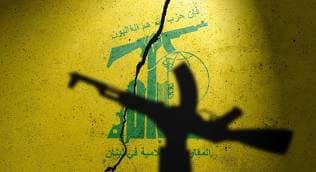
Hezbollah and Israel remain locked in intense cross-border conflict since the group's initial rocket attacks on March 2, 2026, triggered by broader Iran-Israel tensions, with near-daily exchanges of rockets, drones, artillery, and airstrikes. Israel launched a ground invasion of southern Lebanon on March 16, recently expanding troop deployments amid widening combat zones, while Hezbollah claimed 73 operations targeting Israeli forces and northern towns on March 26 alone. Over 7,000 Israeli strikes have hit Lebanon, causing heavy casualties, as Hezbollah signals continued defiance. Key factors include Iranian backing, Lebanese army positions near clashes, and potential for further escalation or diplomatic intervention via UN or regional mediators.
Experimental AI-generated summary referencing Polymarket data · UpdatedHezbollah military action against Israel on...?
Hezbollah military action against Israel on...?
$20,572 Vol.
April 1
91%
April 2
87%
April 3
85%
April 4
81%
April 5
76%
April 6
81%
April 7
77%
April 8
76%
April 9
74%
April 10
74%
$20,572 Vol.
April 1
91%
April 2
87%
April 3
85%
April 4
81%
April 5
76%
April 6
81%
April 7
77%
April 8
76%
April 9
74%
April 10
74%
For the purposes of this market, a qualifying "military action" is defined as the use of aerial bombs, drones, or missiles (including cruise or ballistic missiles) launched by Hezbollah forces that physically impact land under Israeli control.
Israeli ground territory, for the purposes of this market, refers to land internationally recognized as part of the State of Israel, including all territory under de facto Israeli government administration as of market creation. This includes the Israeli-controlled Golan Heights and East Jerusalem, but excludes the West Bank and Gaza Strip.
Missiles or drones that are intercepted before reaching the ground, or surface-to-air missile strikes, will not qualify for a "Yes" resolution, regardless of whether debris lands on Israeli soil or causes damage.
The resolution source will be a consensus of credible reporting.
If the date/time of a strike cannot be confirmed by a consensus of credible reporting by the end of the third calendar date after this market's end date, it will resolve to "No" regardless of whether a strike was later confirmed to have taken place.
Market Opened: Mar 24, 2026, 1:04 PM ET
Resolver
0x65070BE91...For the purposes of this market, a qualifying "military action" is defined as the use of aerial bombs, drones, or missiles (including cruise or ballistic missiles) launched by Hezbollah forces that physically impact land under Israeli control.
Israeli ground territory, for the purposes of this market, refers to land internationally recognized as part of the State of Israel, including all territory under de facto Israeli government administration as of market creation. This includes the Israeli-controlled Golan Heights and East Jerusalem, but excludes the West Bank and Gaza Strip.
Missiles or drones that are intercepted before reaching the ground, or surface-to-air missile strikes, will not qualify for a "Yes" resolution, regardless of whether debris lands on Israeli soil or causes damage.
The resolution source will be a consensus of credible reporting.
If the date/time of a strike cannot be confirmed by a consensus of credible reporting by the end of the third calendar date after this market's end date, it will resolve to "No" regardless of whether a strike was later confirmed to have taken place.
Resolver
0x65070BE91...Hezbollah and Israel remain locked in intense cross-border conflict since the group's initial rocket attacks on March 2, 2026, triggered by broader Iran-Israel tensions, with near-daily exchanges of rockets, drones, artillery, and airstrikes. Israel launched a ground invasion of southern Lebanon on March 16, recently expanding troop deployments amid widening combat zones, while Hezbollah claimed 73 operations targeting Israeli forces and northern towns on March 26 alone. Over 7,000 Israeli strikes have hit Lebanon, causing heavy casualties, as Hezbollah signals continued defiance. Key factors include Iranian backing, Lebanese army positions near clashes, and potential for further escalation or diplomatic intervention via UN or regional mediators.
Experimental AI-generated summary referencing Polymarket data · Updated

Beware of external links.
Beware of external links.
Frequently Asked Questions