Trader consensus prices "No" at 93% for Iran sabotaging undersea internet cables by April 30, driven by the absence of any verified intelligence, official threats, or preparatory actions despite recent escalations in the Iran-Israel shadow war. Iran's April 13 barrage of over 300 drones and missiles against Israel elicited limited Israeli airstrikes on April 19 targeting radar sites near Isfahan, with both sides signaling de-escalation through diplomatic channels and proxy restraint. No maritime sabotage incidents or capabilities have materialized in the past 30 days, distinct from unconfirmed Houthi-linked Red Sea cable disruptions in February. Technical hurdles, detection risks, and potential for severe international retaliation underpin trader skepticism, though late-breaking military actions could shift odds before the deadline.
Experimental AI-generated summary referencing Polymarket data · UpdatedWill Iran sabotage undersea internet cables by April 30?
Will Iran sabotage undersea internet cables by April 30?
$14,378 Vol.
$14,378 Vol.
$14,378 Vol.
$14,378 Vol.
Only actions that cause physical damage to the undersea internet cable infrastructure, e.g., physical sabotage, such as cutting, dragging, or explosive attacks, will be considered. Cyber attacks will not qualify, even if they have kinetic effects.
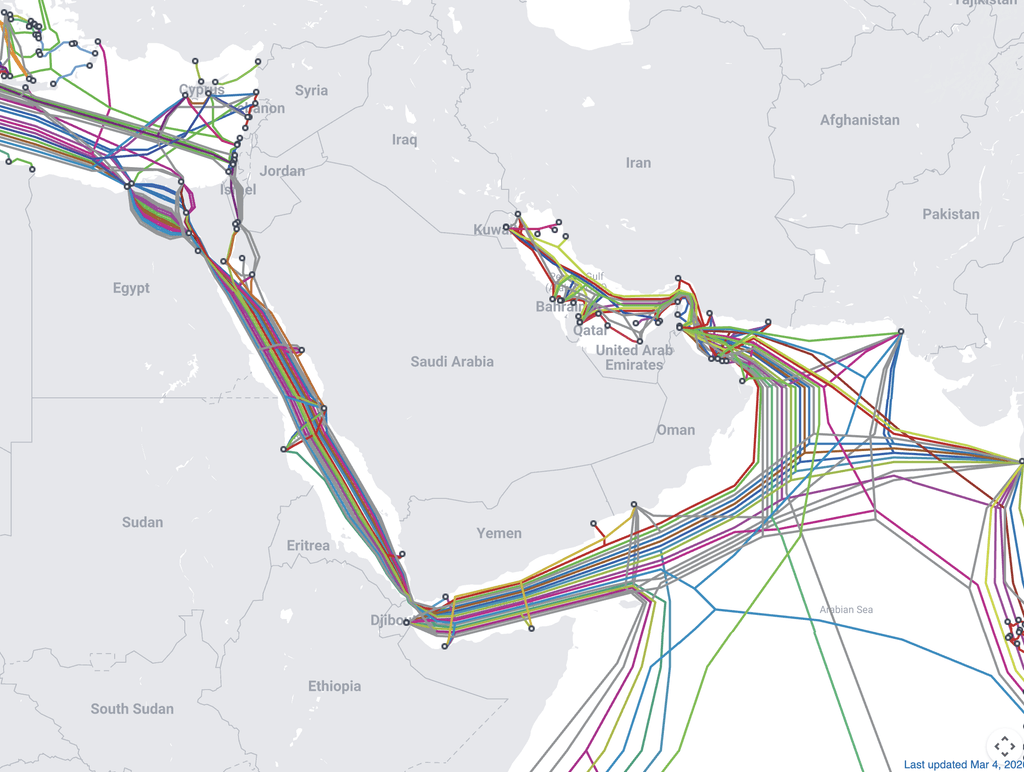
Qualifying incidents must occur in the region spanning the Persian Gulf, Strait of Hormuz, Gulf of Oman, Arabian Sea, Gulf of Aden, and Red Sea, including areas surrounding the Arabian Peninsula.
Attempted attacks that do not result in damage, or actions that are intercepted or fail to impact the cables, will not qualify for a "Yes" resolution.
Incidents which are broadly attributed to Iranian forces or Iranian-aligned groups will qualify regardless of the absence of definitive evidence or official Iranian denials.
The resolution source will be a consensus of credible reporting.
Market Opened: Mar 23, 2026, 6:23 PM ET
Resolver
0x65070BE91...Only actions that cause physical damage to the undersea internet cable infrastructure, e.g., physical sabotage, such as cutting, dragging, or explosive attacks, will be considered. Cyber attacks will not qualify, even if they have kinetic effects.
Qualifying incidents must occur in the region spanning the Persian Gulf, Strait of Hormuz, Gulf of Oman, Arabian Sea, Gulf of Aden, and Red Sea, including areas surrounding the Arabian Peninsula.
Attempted attacks that do not result in damage, or actions that are intercepted or fail to impact the cables, will not qualify for a "Yes" resolution.
Incidents which are broadly attributed to Iranian forces or Iranian-aligned groups will qualify regardless of the absence of definitive evidence or official Iranian denials.
The resolution source will be a consensus of credible reporting.
Resolver
0x65070BE91...Trader consensus prices "No" at 93% for Iran sabotaging undersea internet cables by April 30, driven by the absence of any verified intelligence, official threats, or preparatory actions despite recent escalations in the Iran-Israel shadow war. Iran's April 13 barrage of over 300 drones and missiles against Israel elicited limited Israeli airstrikes on April 19 targeting radar sites near Isfahan, with both sides signaling de-escalation through diplomatic channels and proxy restraint. No maritime sabotage incidents or capabilities have materialized in the past 30 days, distinct from unconfirmed Houthi-linked Red Sea cable disruptions in February. Technical hurdles, detection risks, and potential for severe international retaliation underpin trader skepticism, though late-breaking military actions could shift odds before the deadline.
Experimental AI-generated summary referencing Polymarket data · Updated
Beware of external links.
Beware of external links.
Frequently Asked Questions