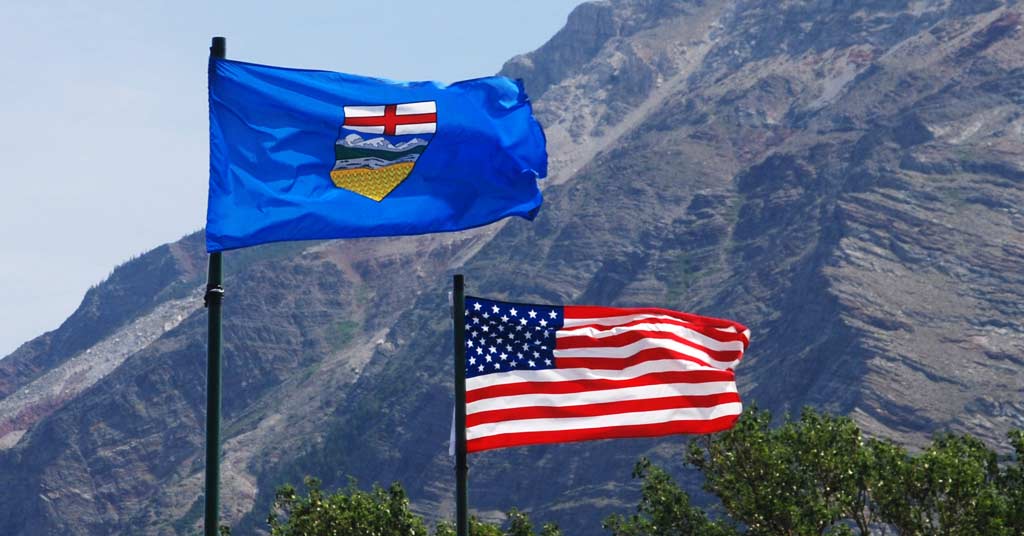
Trader consensus on Alberta remaining outside the U.S. stems from entrenched constitutional barriers on both sides of the border. Any path to statehood would demand a provincial referendum, approval by Alberta’s legislature, federal consent in Ottawa under Canada’s amending formula, and parallel action by the U.S. Congress and executive branch. Recent statements from Alberta Premier Danielle Smith and federal officials continue to emphasize resource policy disputes and western autonomy within Confederation rather than secession or annexation. No credible legislative proposals, public campaigns, or diplomatic initiatives have advanced in the past year. While improbable, an acute national unity crisis in Canada combined with extraordinary bilateral negotiations could still introduce limited uncertainty, though such conditions lie far outside present political trajectories.
Experimental AI-generated summary referencing Polymarket data. This is not trading advice and plays no role in how this market resolves. · Updated$104,785 Vol.
$104,785 Vol.
$104,785 Vol.
$104,785 Vol.
Sovereignty is defined as the transfer of the majority of the territory of Alberta as of February 6, 2026, currently a Canadian province, to being under the formal governance or jurisdiction of the United States, either as a state, territory, or other classification within the US system.
An official announcement made by the United States and Canada that Alberta will come under US sovereignty, within this market's timeframe, will qualify, even if the actual transfer of sovereignty is yet to occur. Only announcements of official agreements or actions (e.g. a ratified treaty, signed legislation, etc.) will count - mere suggestions, negotiations, or posts on Social Media will not.
The resolution source for this market will be official information from the governments of the US, Canada, and Alberta, however a consensus of credible reporting confirming that Alberta has come under U.S. sovereignty will also qualify.
Market Opened: Feb 6, 2026, 5:03 PM ET
Resolver
0x65070BE91...Sovereignty is defined as the transfer of the majority of the territory of Alberta as of February 6, 2026, currently a Canadian province, to being under the formal governance or jurisdiction of the United States, either as a state, territory, or other classification within the US system.
An official announcement made by the United States and Canada that Alberta will come under US sovereignty, within this market's timeframe, will qualify, even if the actual transfer of sovereignty is yet to occur. Only announcements of official agreements or actions (e.g. a ratified treaty, signed legislation, etc.) will count - mere suggestions, negotiations, or posts on Social Media will not.
The resolution source for this market will be official information from the governments of the US, Canada, and Alberta, however a consensus of credible reporting confirming that Alberta has come under U.S. sovereignty will also qualify.
Resolver
0x65070BE91...Trader consensus on Alberta remaining outside the U.S. stems from entrenched constitutional barriers on both sides of the border. Any path to statehood would demand a provincial referendum, approval by Alberta’s legislature, federal consent in Ottawa under Canada’s amending formula, and parallel action by the U.S. Congress and executive branch. Recent statements from Alberta Premier Danielle Smith and federal officials continue to emphasize resource policy disputes and western autonomy within Confederation rather than secession or annexation. No credible legislative proposals, public campaigns, or diplomatic initiatives have advanced in the past year. While improbable, an acute national unity crisis in Canada combined with extraordinary bilateral negotiations could still introduce limited uncertainty, though such conditions lie far outside present political trajectories.
Experimental AI-generated summary referencing Polymarket data. This is not trading advice and plays no role in how this market resolves. · Updated
Beware of external links.
Beware of external links.
Frequently Asked Questions