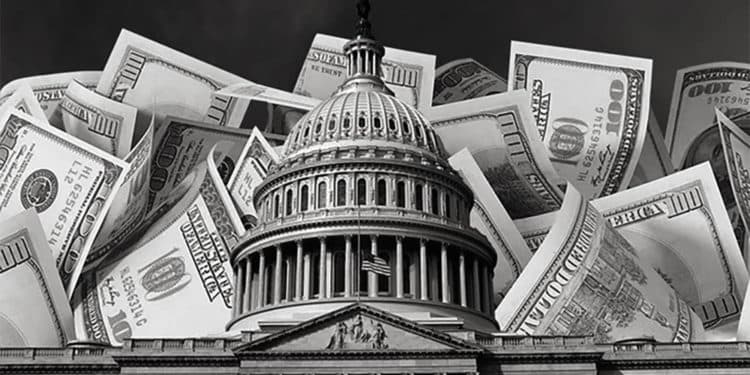
Trader consensus prices a 75.5% implied probability against a major U.S. bank bailout before 2027, reflecting fortified common equity tier 1 (CET1) ratios averaging over 12% for global systemically important banks (GSIBs) following post-2023 reforms. The FDIC's orderly resolution of the sole 2026 bank failure—a small Chicago lender costing $19.7 million to the Deposit Insurance Fund—underscored contained risks without systemic intervention. Q1 2026 earnings from JPMorgan Chase, Bank of America, and peers showed resilient net interest income and record trading revenue amid stable credit quality, despite commercial real estate (CRE) pressures largely borne by regionals. March regulatory proposals easing capital rules by 4.8% for large banks further bolstered sentiment. Key catalysts ahead include June Dodd-Frank stress test results and Q2 earnings.
Experimental AI-generated summary referencing Polymarket data. This is not trading advice and plays no role in how this market resolves. · UpdatedMajor U.S. bank bailout before 2027?
Major U.S. bank bailout before 2027?
A bailout is defined as any of these actions in direct response to directly related to solvency, liquidity, or capital adequacy concerns.
-Establishing a Federal Reserve emergency lending facility
-Creating an FDIC-assisted resolution or bridge bank
-A U.S. Treasury capital injection
-A publicly disclosed, regulatory-facilitated acquisition
An official announcement from the U.S. government that they are taking any of these actions will qualify regardless of if/when the action occurs.
Routine access to standing facilities (such as the discount window or BTFP) or participation in stress tests, capital raises, or ordinary supervision will not on their own qualify.
If a bank experiences distress but is acquired privately without public intervention or coordination, this will not qualify.
Market Opened: Nov 12, 2025, 6:22 PM ET
Resolver
0x65070BE91...A bailout is defined as any of these actions in direct response to directly related to solvency, liquidity, or capital adequacy concerns.
-Establishing a Federal Reserve emergency lending facility
-Creating an FDIC-assisted resolution or bridge bank
-A U.S. Treasury capital injection
-A publicly disclosed, regulatory-facilitated acquisition
An official announcement from the U.S. government that they are taking any of these actions will qualify regardless of if/when the action occurs.
Routine access to standing facilities (such as the discount window or BTFP) or participation in stress tests, capital raises, or ordinary supervision will not on their own qualify.
If a bank experiences distress but is acquired privately without public intervention or coordination, this will not qualify.
Resolver
0x65070BE91...Trader consensus prices a 75.5% implied probability against a major U.S. bank bailout before 2027, reflecting fortified common equity tier 1 (CET1) ratios averaging over 12% for global systemically important banks (GSIBs) following post-2023 reforms. The FDIC's orderly resolution of the sole 2026 bank failure—a small Chicago lender costing $19.7 million to the Deposit Insurance Fund—underscored contained risks without systemic intervention. Q1 2026 earnings from JPMorgan Chase, Bank of America, and peers showed resilient net interest income and record trading revenue amid stable credit quality, despite commercial real estate (CRE) pressures largely borne by regionals. March regulatory proposals easing capital rules by 4.8% for large banks further bolstered sentiment. Key catalysts ahead include June Dodd-Frank stress test results and Q2 earnings.
Experimental AI-generated summary referencing Polymarket data. This is not trading advice and plays no role in how this market resolves. · Updated

Beware of external links.
Beware of external links.
Frequently Asked Questions