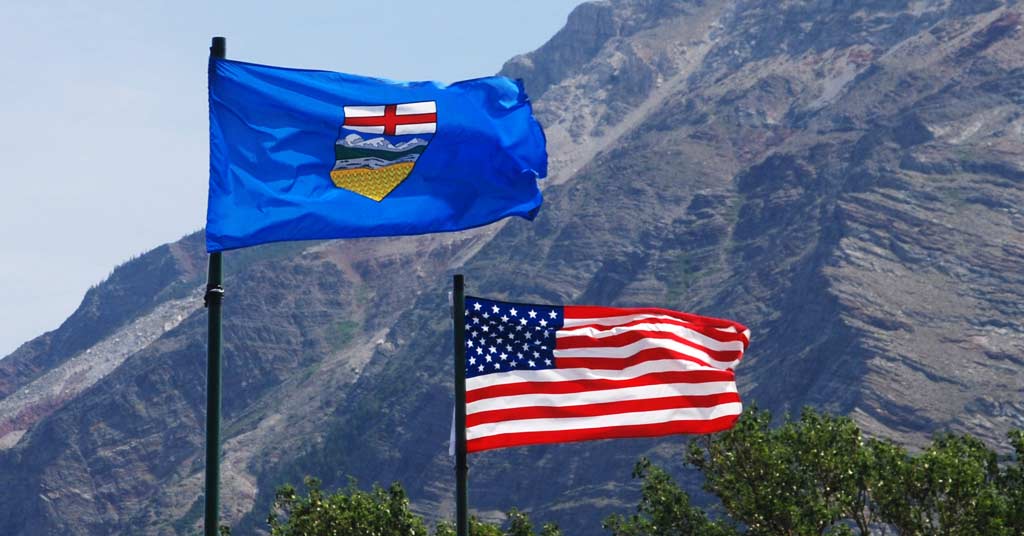
Alberta's potential secession from Canada and annexation by the United States faces insurmountable legal, constitutional, and political hurdles, driving trader consensus to a 96% implied probability of "No." Canadian law requires complex federal negotiations and referendums with supermajority support, as seen in Quebec's failed bids, while recent polls from Angus Reid show only 25-30% of Albertans favor independence—far less for U.S. integration amid strong economic ties to Canada. Premier Danielle Smith's autonomy act pushes provincial rights without separation talk. Traders' high confidence stems from absent momentum from major parties or U.S. officials. Realistic shifts could arise from a severe federal-provincial rift over energy policy or plummeting oil prices sparking a surprise referendum, though evidence suggests minimal risk.
Experimental AI-generated summary referencing Polymarket data · UpdatedSovereignty is defined as the transfer of the majority of the territory of Alberta as of February 6, 2026, currently a Canadian province, to being under the formal governance or jurisdiction of the United States, either as a state, territory, or other classification within the US system.
An official announcement made by the United States and Canada that Alberta will come under US sovereignty, within this market's timeframe, will qualify, even if the actual transfer of sovereignty is yet to occur. Only announcements of official agreements or actions (e.g. a ratified treaty, signed legislation, etc.) will count - mere suggestions, negotiations, or posts on Social Media will not.
The resolution source for this market will be official information from the governments of the US, Canada, and Alberta, however a consensus of credible reporting confirming that Alberta has come under U.S. sovereignty will also qualify.
Market Opened: Feb 6, 2026, 5:03 PM ET
Resolver
0x65070BE91...Sovereignty is defined as the transfer of the majority of the territory of Alberta as of February 6, 2026, currently a Canadian province, to being under the formal governance or jurisdiction of the United States, either as a state, territory, or other classification within the US system.
An official announcement made by the United States and Canada that Alberta will come under US sovereignty, within this market's timeframe, will qualify, even if the actual transfer of sovereignty is yet to occur. Only announcements of official agreements or actions (e.g. a ratified treaty, signed legislation, etc.) will count - mere suggestions, negotiations, or posts on Social Media will not.
The resolution source for this market will be official information from the governments of the US, Canada, and Alberta, however a consensus of credible reporting confirming that Alberta has come under U.S. sovereignty will also qualify.
Resolver
0x65070BE91...Alberta's potential secession from Canada and annexation by the United States faces insurmountable legal, constitutional, and political hurdles, driving trader consensus to a 96% implied probability of "No." Canadian law requires complex federal negotiations and referendums with supermajority support, as seen in Quebec's failed bids, while recent polls from Angus Reid show only 25-30% of Albertans favor independence—far less for U.S. integration amid strong economic ties to Canada. Premier Danielle Smith's autonomy act pushes provincial rights without separation talk. Traders' high confidence stems from absent momentum from major parties or U.S. officials. Realistic shifts could arise from a severe federal-provincial rift over energy policy or plummeting oil prices sparking a surprise referendum, though evidence suggests minimal risk.
Experimental AI-generated summary referencing Polymarket data · Updated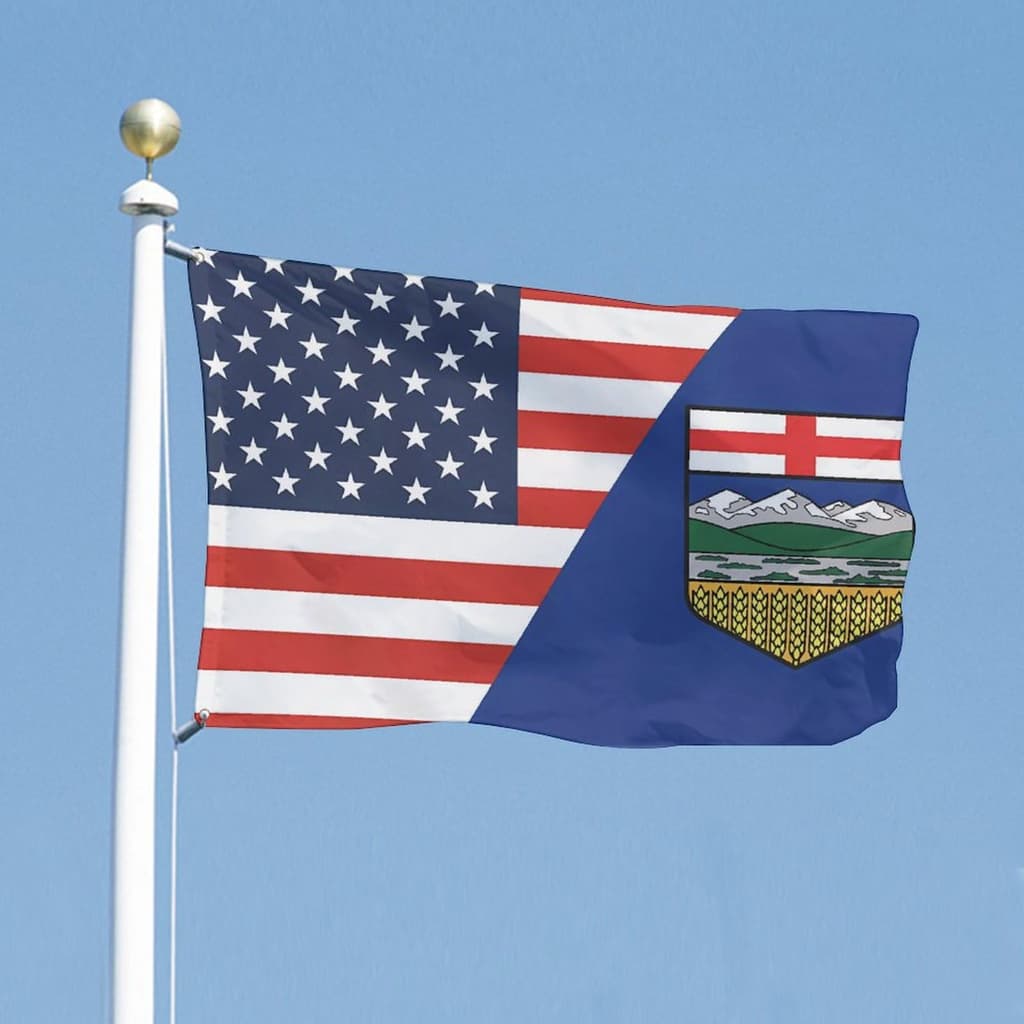

Beware of external links.
Beware of external links.
Frequently Asked Questions