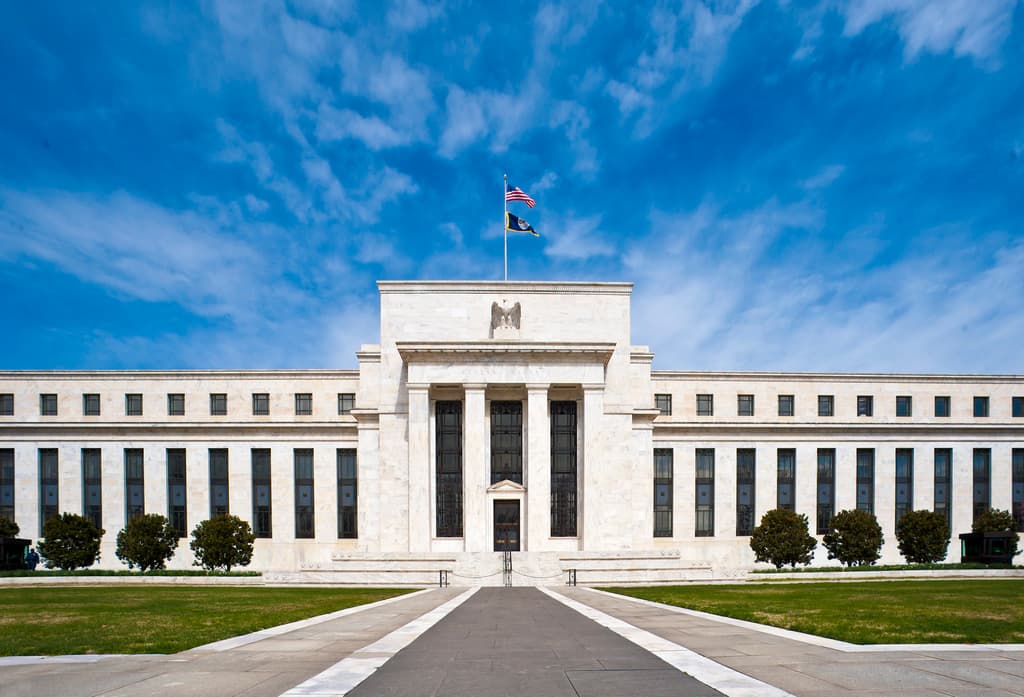
The Federal Reserve's entrenched role in U.S. monetary policy, dollar dominance, and financial stability makes abolition before 2027 highly improbable under current legislative processes. Bills such as the Federal Reserve Board Abolition Act introduced in the 119th Congress have remained stalled in committee with minimal bipartisan support or floor action. Recent developments center on internal reforms under Chair Kevin Warsh, including workforce reductions and meeting schedule adjustments, rather than structural elimination. Trader consensus at 98.5% against abolition reflects these barriers, historical precedent for central bank continuity, and the absence of any scheduled votes or executive actions capable of triggering repeal by the end of 2026. Late shifts could theoretically arise from an unforeseen fiscal crisis or congressional realignment, though both remain remote within the resolution window.
Experimental AI-generated summary referencing Polymarket data. This is not trading advice and plays no role in how this market resolves. · UpdatedThe primary resolution source for this market will be information from the US federal government, however a consensus of credible reporting will also be used.
Market Opened: Nov 5, 2025, 1:10 PM ET
Resolver
0x65070be91...The primary resolution source for this market will be information from the US federal government, however a consensus of credible reporting will also be used.
Resolver
0x65070be91...The Federal Reserve's entrenched role in U.S. monetary policy, dollar dominance, and financial stability makes abolition before 2027 highly improbable under current legislative processes. Bills such as the Federal Reserve Board Abolition Act introduced in the 119th Congress have remained stalled in committee with minimal bipartisan support or floor action. Recent developments center on internal reforms under Chair Kevin Warsh, including workforce reductions and meeting schedule adjustments, rather than structural elimination. Trader consensus at 98.5% against abolition reflects these barriers, historical precedent for central bank continuity, and the absence of any scheduled votes or executive actions capable of triggering repeal by the end of 2026. Late shifts could theoretically arise from an unforeseen fiscal crisis or congressional realignment, though both remain remote within the resolution window.
Experimental AI-generated summary referencing Polymarket data. This is not trading advice and plays no role in how this market resolves. · Updated


Beware of external links.
Frequently Asked Questions