
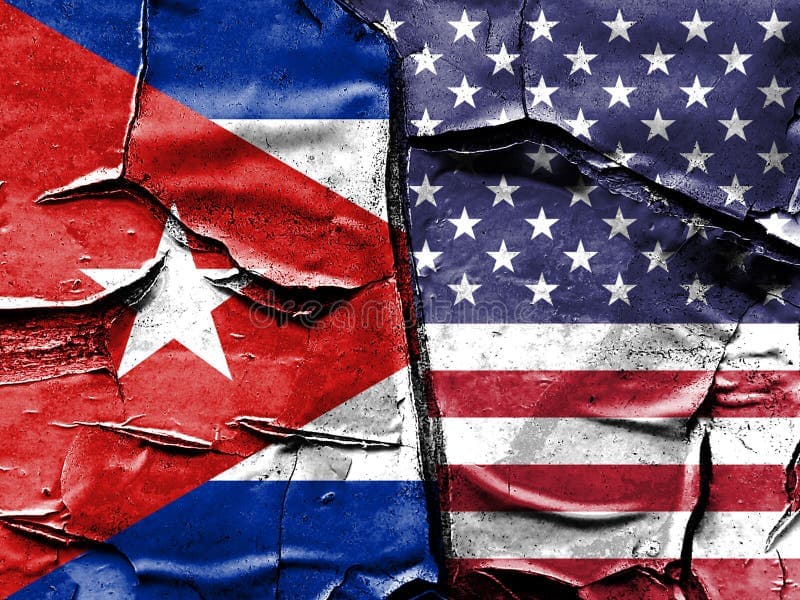
Recent reports of Pentagon contingency planning for potential military operations in Cuba, alongside a U.S. Navy surveillance drone mission along the island's coast near Guantanamo Bay, have heightened trader concerns, keeping "No" at a slim 54.5% implied probability for any U.S.-Cuba military clash in 2026. Cuban President Miguel Díaz-Canel's April 16 vow to defend against invasion—timed to the Bay of Pigs anniversary—echoes March warnings amid an ongoing U.S. oil blockade that has crippled Havana's energy supplies since early 2026, following Trump's "Cuba is next" rhetoric. Yet bilateral talks in March and U.S. military denials of invasion prep maintain balance. Escalatory signals like airstrikes or troop buildups could surge "Yes" odds; diplomatic breakthroughs or sanctions relief would bolster "No."
Experimental AI-generated summary referencing Polymarket data. This is not trading advice and plays no role in how this market resolves. · Updated$88,471 Vol.
$88,471 Vol.
$88,471 Vol.
$88,471 Vol.
A "military encounter" is defined as any incident involving the use of force such as missile strikes, artillery fire, exchange of gunfire, or other forms of direct military engagement between US and Cuban military forces. Non-violent actions, such as warning shots, artillery fire into uninhabited areas, or missile launches that land in territorial waters or pass through airspace, will not qualify for a "Yes" resolution. Intentional ship ramming that results in significant damage to (e.g., a hole in the hull) or the sinking of a military ship by another will count toward a "Yes" resolution, however minor damage (scrapes, dents) will not.
Note: the United States Coast Guard is considered part of the United States military, and the Cuban Border Guard is considered part of the Cuban military.
The resolution source for this market will be a consensus of credible reporting.
Market Opened: Feb 25, 2026, 7:31 PM ET
Resolver
0x65070BE91...A "military encounter" is defined as any incident involving the use of force such as missile strikes, artillery fire, exchange of gunfire, or other forms of direct military engagement between US and Cuban military forces. Non-violent actions, such as warning shots, artillery fire into uninhabited areas, or missile launches that land in territorial waters or pass through airspace, will not qualify for a "Yes" resolution. Intentional ship ramming that results in significant damage to (e.g., a hole in the hull) or the sinking of a military ship by another will count toward a "Yes" resolution, however minor damage (scrapes, dents) will not.
Note: the United States Coast Guard is considered part of the United States military, and the Cuban Border Guard is considered part of the Cuban military.
The resolution source for this market will be a consensus of credible reporting.
Resolver
0x65070BE91...Recent reports of Pentagon contingency planning for potential military operations in Cuba, alongside a U.S. Navy surveillance drone mission along the island's coast near Guantanamo Bay, have heightened trader concerns, keeping "No" at a slim 54.5% implied probability for any U.S.-Cuba military clash in 2026. Cuban President Miguel Díaz-Canel's April 16 vow to defend against invasion—timed to the Bay of Pigs anniversary—echoes March warnings amid an ongoing U.S. oil blockade that has crippled Havana's energy supplies since early 2026, following Trump's "Cuba is next" rhetoric. Yet bilateral talks in March and U.S. military denials of invasion prep maintain balance. Escalatory signals like airstrikes or troop buildups could surge "Yes" odds; diplomatic breakthroughs or sanctions relief would bolster "No."
Experimental AI-generated summary referencing Polymarket data. This is not trading advice and plays no role in how this market resolves. · Updated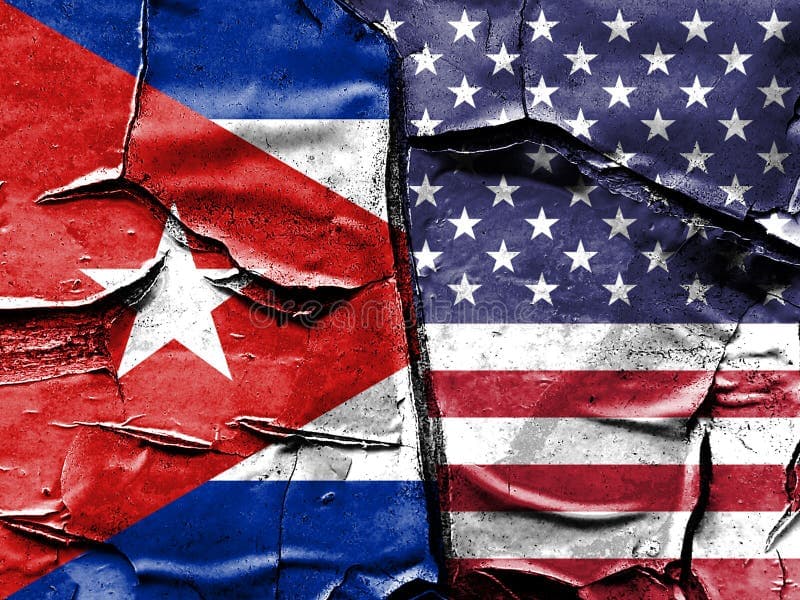

Beware of external links.
Beware of external links.
Frequently Asked Questions