
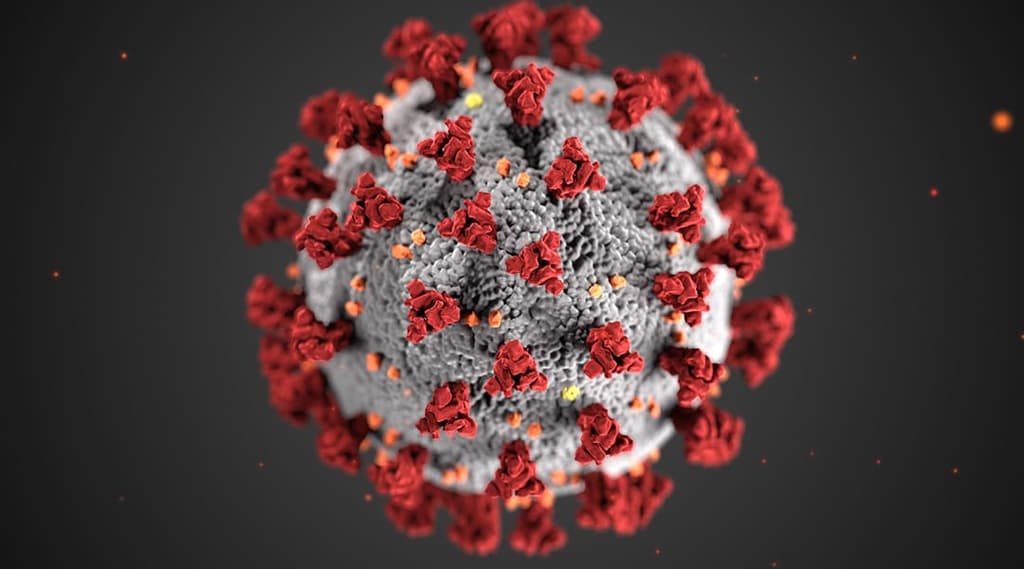
Strong global surveillance systems and post-COVID preparedness frameworks underpin the 95.5% market-implied odds against a new pandemic in 2026. As of mid-October, no novel pathogen has demonstrated sustained international human-to-human transmission meeting WHO pandemic criteria, despite active monitoring of localized outbreaks such as the Bundibugyo Ebola event in the Democratic Republic of the Congo (over 8,000 confirmed cases, CFR near 48%) and smaller clusters of Nipah, hantavirus, and undetermined pneumonia. Enhanced epidemic intelligence tools, including the WHO Hub’s real-time open-source scanning and amended International Health Regulations, enable 24-hour detection goals and rapid containment. Trader consensus reflects the low probability of an undetected emergence or uncontained escalation before year-end, though realistic shifts could arise from a highly transmissible novel respiratory virus or unexpected international spread of current threats if containment falters.
Experimental AI-generated summary referencing Polymarket data. This is not trading advice and plays no role in how this market resolves. · UpdatedView resolved
Beware of external links.
Beware of external links.
Frequently Asked Questions