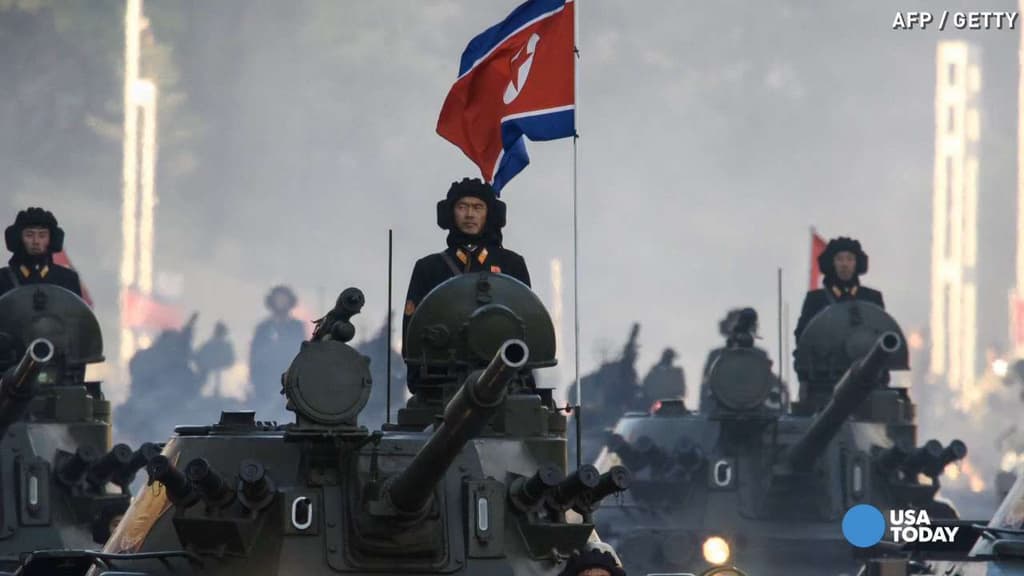
North Korea's recent artillery drills near the border on October 25 and multiple ballistic missile tests in late October have heightened cross-border tensions but fall far short of signaling an invasion buildup, sustaining trader consensus at 91.8% "No" for an attack on South Korea before 2027. Kim Jong-un's constitutional revision last month designating South Korea as the "principal enemy" and authorizing forcible annexation drew global attention, yet experts attribute it to domestic posturing amid economic isolation and troop deployments to Russia for the Ukraine conflict. South Korea's superior conventional forces, backed by U.S. extended deterrence including the nuclear umbrella, maintain strong disincentives, with no verified offensive preparations despite Pyongyang's escalatory rhetoric. The 1953 armistice endures as the baseline, barring major geopolitical shocks like U.S. policy shifts post-election.
基于Polymarket数据的AI实验性摘要 · 更新于是
$14,980 交易量
$14,980 交易量
是
$14,980 交易量
$14,980 交易量
The resolution source for this market will be will be official confirmation by South Korea, North Korea, the United Nations, or any permanent member of the UN Security Council, however a consensus of credible reporting will also be used.
市场开放时间: Nov 5, 2025, 1:16 PM ET
Resolver
0x65070BE91...The resolution source for this market will be will be official confirmation by South Korea, North Korea, the United Nations, or any permanent member of the UN Security Council, however a consensus of credible reporting will also be used.
Resolver
0x65070BE91...North Korea's recent artillery drills near the border on October 25 and multiple ballistic missile tests in late October have heightened cross-border tensions but fall far short of signaling an invasion buildup, sustaining trader consensus at 91.8% "No" for an attack on South Korea before 2027. Kim Jong-un's constitutional revision last month designating South Korea as the "principal enemy" and authorizing forcible annexation drew global attention, yet experts attribute it to domestic posturing amid economic isolation and troop deployments to Russia for the Ukraine conflict. South Korea's superior conventional forces, backed by U.S. extended deterrence including the nuclear umbrella, maintain strong disincentives, with no verified offensive preparations despite Pyongyang's escalatory rhetoric. The 1953 armistice endures as the baseline, barring major geopolitical shocks like U.S. policy shifts post-election.
基于Polymarket数据的AI实验性摘要 · 更新于
警惕外部链接哦。
警惕外部链接哦。
常见问题