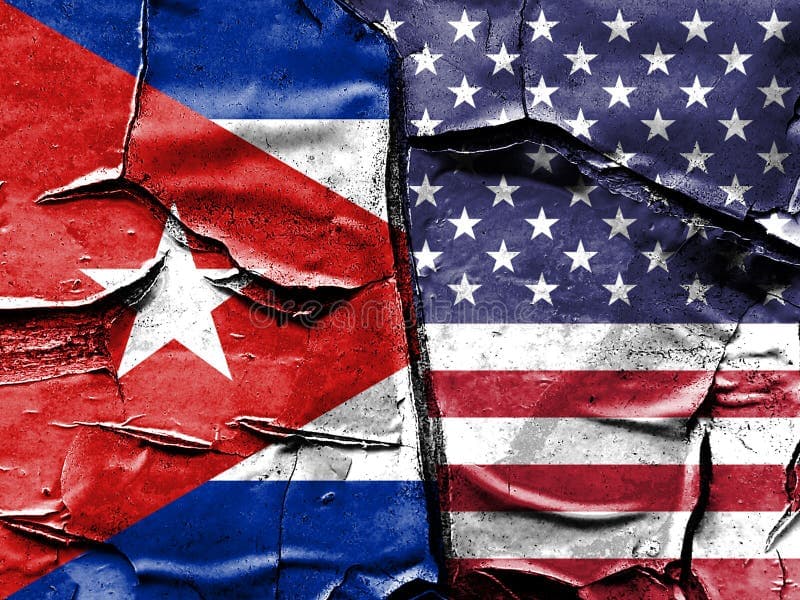
Trader consensus prices a U.S. invasion of Cuba in 2026 as unlikely, reflecting the absence of any casus belli, military mobilization, or escalatory rhetoric from the White House, Pentagon, or Congress amid entrenched diplomatic isolation via longstanding sanctions and travel restrictions. Recent developments, including U.S. State Department condemnations of Cuba's crackdown on protests and economic woes driving migration surges intercepted by Coast Guard operations, underscore continuity in non-military pressure rather than invasion threats. Strengthened Russia-Cuba military ties, highlighted by Russian naval visits in June, prompted U.S. surveillance but no retaliatory buildup. With the November presidential election focused on domestic issues and higher-priority global hotspots like Ukraine and the Middle East dominating foreign policy bandwidth, traders see formidable legal, political, and logistical barriers to such an action.
Resumen experimental generado por IA con datos de Polymarket · ActualizadoSí
$1,197,454 Vol.
$1,197,454 Vol.
Sí
$1,197,454 Vol.
$1,197,454 Vol.
For the purposes of this market, land de facto controlled by Cuba or the United States as market creation, will be considered the sovereign territory of that country.
The resolution source for this market will be a consensus of credible sources.
Mercado abierto: Jan 4, 2026, 3:24 PM ET
Resolver
0x65070BE91...For the purposes of this market, land de facto controlled by Cuba or the United States as market creation, will be considered the sovereign territory of that country.
The resolution source for this market will be a consensus of credible sources.
Resolver
0x65070BE91...Trader consensus prices a U.S. invasion of Cuba in 2026 as unlikely, reflecting the absence of any casus belli, military mobilization, or escalatory rhetoric from the White House, Pentagon, or Congress amid entrenched diplomatic isolation via longstanding sanctions and travel restrictions. Recent developments, including U.S. State Department condemnations of Cuba's crackdown on protests and economic woes driving migration surges intercepted by Coast Guard operations, underscore continuity in non-military pressure rather than invasion threats. Strengthened Russia-Cuba military ties, highlighted by Russian naval visits in June, prompted U.S. surveillance but no retaliatory buildup. With the November presidential election focused on domestic issues and higher-priority global hotspots like Ukraine and the Middle East dominating foreign policy bandwidth, traders see formidable legal, political, and logistical barriers to such an action.
Resumen experimental generado por IA con datos de Polymarket · Actualizado
Cuidado con los enlaces externos.
Cuidado con los enlaces externos.
Preguntas frecuentes