
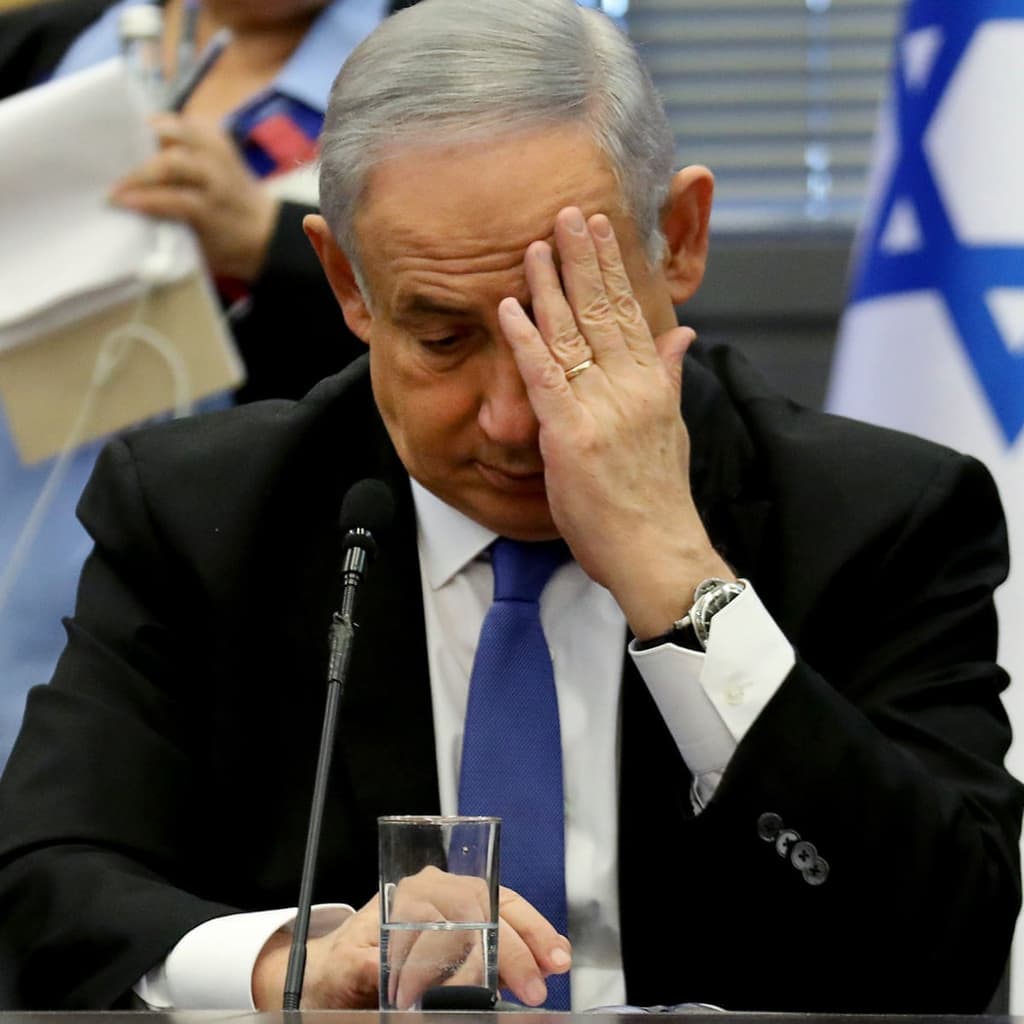
Netanyahu’s political future hinges on Israel’s October 27, 2026, legislative election, which will determine whether his Likud-led bloc secures the 61 Knesset seats needed for a majority or falls short, opening the door for an opposition coalition. Recent polls show his right-wing and ultra-Orthodox alliance hovering around 52–55 seats while Gadi Eisenkot’s Yashar-led opposition bloc sits near 50–52, leaving both sides reliant on Arab parties or other partners for any government. Fresh scrutiny of October 7, 2023, security failures, including allegations of record alterations in the Prime Minister’s Office, has intensified opposition calls for investigations and accelerated removal procedures if Netanyahu’s bloc loses. A narrow opposition majority could enable rapid legislative moves to bar him from office before a new government is sworn in, while his bloc’s resilience in surveys suggests he retains a path to continued leadership if coalition arithmetic holds.
Resumen experimental generado por IA con datos de Polymarket. Esto no es asesoramiento de trading y no influye en cómo se resuelve este mercado. · ActualizadoView resolved
Cuidado con los enlaces externos.
Cuidado con los enlaces externos.
Preguntas frecuentes