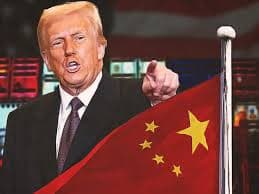
Trump transition officials have issued no statements or plans indicating President-elect Trump intends to declare a national emergency over election interference, driving trader consensus toward "No" at 69%. Recent focus has centered on cabinet nominations, executive order preparations for border security and tariffs, and agency restructuring via DOGE, sidelining election-related actions after Trump's 2024 victory resolved immediate disputes. Historical precedents show Trump invoked emergencies for border wall funding but not retrospective election claims, facing congressional oversight and legal challenges. With inauguration on January 20 and early priorities outlined sans this measure, traders anticipate other policy catalysts absent late-breaking developments like new legal findings.
基于Polymarket数据的AI实验性摘要 · 更新于是
$132,627 交易量
$132,627 交易量
是
$132,627 交易量
$132,627 交易量
A qualifying declaration must include formal language stating that a national emergency exists and must be issued under the National Emergencies Act (50 U.S.C. § 1621 et seq.). The declaration must explicitly reference interference in U.S. elections, election processes, election systems, voting procedures, ballots, or voting machines as the basis for the emergency. Statements, speeches, social media posts, draft orders, executive orders that do not formally declare a national emergency under the National Emergencies Act, or other actions that merely reference election interference without declaring a national emergency will not qualify.
Renewals or extensions of previously existing national emergencies will not qualify unless the text is materially modified to explicitly relate to election interference.
The primary resolution source will be the Federal Register and official White House publications, however a consensus of credible reporting may also be used.
市场开放时间: Feb 26, 2026, 4:29 PM ET
Resolver
0x65070BE91...A qualifying declaration must include formal language stating that a national emergency exists and must be issued under the National Emergencies Act (50 U.S.C. § 1621 et seq.). The declaration must explicitly reference interference in U.S. elections, election processes, election systems, voting procedures, ballots, or voting machines as the basis for the emergency. Statements, speeches, social media posts, draft orders, executive orders that do not formally declare a national emergency under the National Emergencies Act, or other actions that merely reference election interference without declaring a national emergency will not qualify.
Renewals or extensions of previously existing national emergencies will not qualify unless the text is materially modified to explicitly relate to election interference.
The primary resolution source will be the Federal Register and official White House publications, however a consensus of credible reporting may also be used.
Resolver
0x65070BE91...Trump transition officials have issued no statements or plans indicating President-elect Trump intends to declare a national emergency over election interference, driving trader consensus toward "No" at 69%. Recent focus has centered on cabinet nominations, executive order preparations for border security and tariffs, and agency restructuring via DOGE, sidelining election-related actions after Trump's 2024 victory resolved immediate disputes. Historical precedents show Trump invoked emergencies for border wall funding but not retrospective election claims, facing congressional oversight and legal challenges. With inauguration on January 20 and early priorities outlined sans this measure, traders anticipate other policy catalysts absent late-breaking developments like new legal findings.
基于Polymarket数据的AI实验性摘要 · 更新于
警惕外部链接哦。
警惕外部链接哦。
常见问题