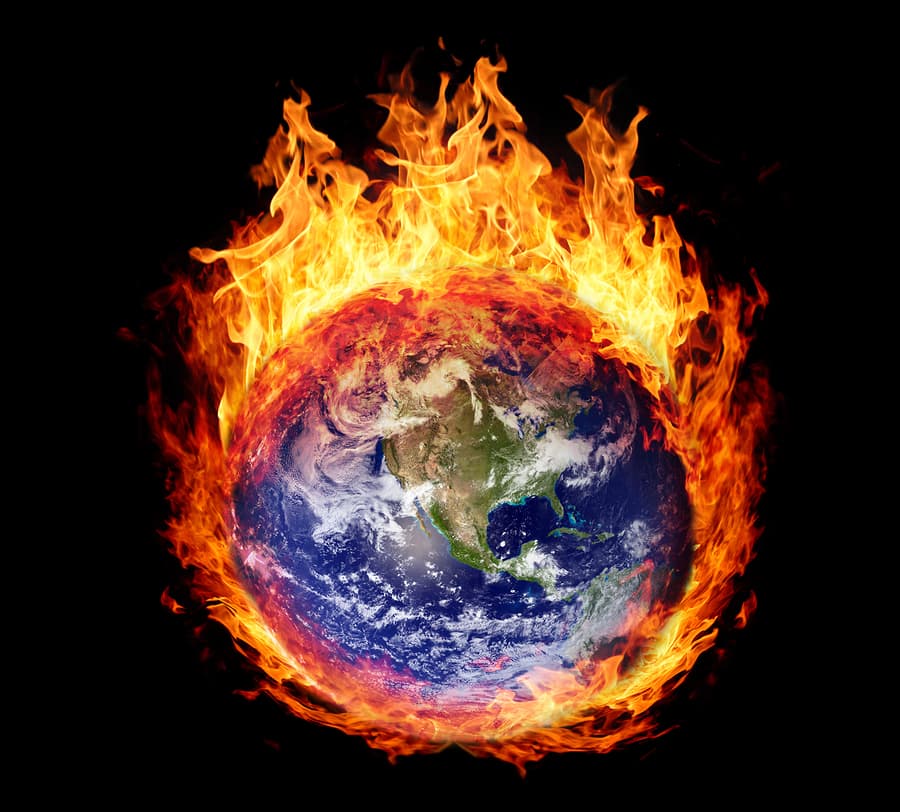
Trader consensus on Polymarket implies a 73% chance that 2026 ranks first or second hottest on record, reflecting the relentless anthropogenic warming trend amid record-high ocean heat content and a transitioning El Niño-Southern Oscillation (ENSO) phase. Despite lingering La Niña conditions through early 2026—which typically dampen global temperatures—January and February ranked as the fifth-warmest on record per Copernicus and NOAA data, with anomalies 0.51°C and similar above the 1991–2020 baseline. Forecasts from NOAA (85% top-five odds) and Berkeley Earth (likely fourth) underscore top-tier potential, boosted by neutral ENSO favored through mid-year and possible El Niño emergence later, per recent CPC updates. Key watches include March–April temperature bulletins and May ENSO diagnostics, amid inherent forecast uncertainty.
Experimental AI-generated summary referencing Polymarket data · UpdatedWhere will 2026 rank among the hottest years on record?
Where will 2026 rank among the hottest years on record?
2 46%
1 28%
4 14%
3 8.3%
$2,412,948 Vol.
$2,412,948 Vol.
1
28%
2
46%
3
8%
4
14%
5
1%
6 or lower
3%
2 46%
1 28%
4 14%
3 8.3%
$2,412,948 Vol.
$2,412,948 Vol.
1
28%
2
46%
3
8%
4
14%
5
1%
6 or lower
3%
Years will be ranked in descending order, starting with the hottest as number 1, the second hottest as number 2, etc.
If 2026 ties with any other year, it will resolve according to the place the year it ties with occupies.
This market will resolve immediately once the specified data becomes available, regardless of whether the figure for the relevant years is later revised.
The primary resolution source for this market will be the figure found in the table titled "Land-Ocean Temperature Index (C)" under the column "No_Smoothing" in the row "2026" (https://data.giss.nasa.gov/gistemp/graphs/graph_data/Global_Mean_Estimates_based_on_Land_and_Ocean_Data/graph.txt). If NASA's "Global Temperature Index" is rendered permanently unavailable, other information from NASA may be used. If no information for 2026 is provided by NASA by March 1, 2027, 11:59 PM ET, this market will resolve based on a consensus of credible reporting.
Market Opened: Nov 12, 2025, 5:44 PM ET
Resolver
0x2F5e3684c...Years will be ranked in descending order, starting with the hottest as number 1, the second hottest as number 2, etc.
If 2026 ties with any other year, it will resolve according to the place the year it ties with occupies.
This market will resolve immediately once the specified data becomes available, regardless of whether the figure for the relevant years is later revised.
The primary resolution source for this market will be the figure found in the table titled "Land-Ocean Temperature Index (C)" under the column "No_Smoothing" in the row "2026" (https://data.giss.nasa.gov/gistemp/graphs/graph_data/Global_Mean_Estimates_based_on_Land_and_Ocean_Data/graph.txt). If NASA's "Global Temperature Index" is rendered permanently unavailable, other information from NASA may be used. If no information for 2026 is provided by NASA by March 1, 2027, 11:59 PM ET, this market will resolve based on a consensus of credible reporting.
Resolver
0x2F5e3684c...Trader consensus on Polymarket implies a 73% chance that 2026 ranks first or second hottest on record, reflecting the relentless anthropogenic warming trend amid record-high ocean heat content and a transitioning El Niño-Southern Oscillation (ENSO) phase. Despite lingering La Niña conditions through early 2026—which typically dampen global temperatures—January and February ranked as the fifth-warmest on record per Copernicus and NOAA data, with anomalies 0.51°C and similar above the 1991–2020 baseline. Forecasts from NOAA (85% top-five odds) and Berkeley Earth (likely fourth) underscore top-tier potential, boosted by neutral ENSO favored through mid-year and possible El Niño emergence later, per recent CPC updates. Key watches include March–April temperature bulletins and May ENSO diagnostics, amid inherent forecast uncertainty.
Experimental AI-generated summary referencing Polymarket data · Updated

Beware of external links.
Beware of external links.
Frequently Asked Questions