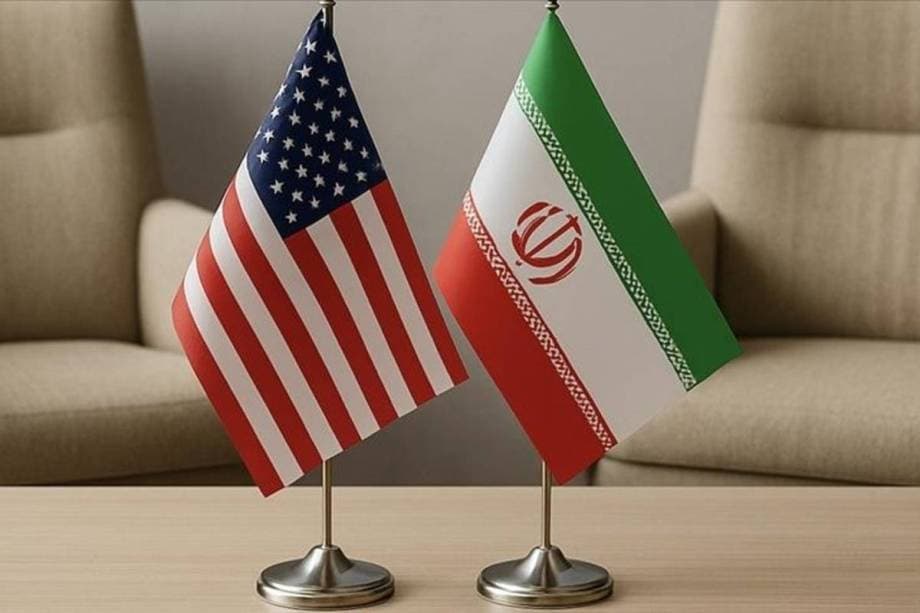
Trader sentiment on a US-Iran ceasefire leans against near-term resolution amid de-escalation signals following Israel's late October strikes on Iranian military targets, which Tehran minimized without major retaliation, and US defensive support for Israel via missile intercepts. No direct bilateral talks or negotiations are underway, with persistent proxy tensions—Hezbollah's recent US-brokered truce with Israel notwithstanding—and Houthi disruptions in the Red Sea. President-elect Trump's incoming administration introduces policy uncertainty, given his prior "maximum pressure" sanctions approach. Key upcoming catalysts include UN Security Council sessions on regional stability and Trump's January 20 inauguration, potentially shifting diplomatic dynamics and market probabilities.
Experimental AI-generated summary referencing Polymarket data · UpdatedUS x Iran ceasefire by...?
US x Iran ceasefire by...?
$44,966,985 Vol.
March 31
15%
April 7
25%
April 15
36%
April 30
48%
May 31
57%
June 30
67%
December 31
78%
$44,966,985 Vol.
March 31
15%
April 7
25%
April 15
36%
April 30
48%
May 31
57%
June 30
67%
December 31
78%
For the purposes of this market, an “official ceasefire agreement” requires clear public confirmation from both the United States government and the government of Iran that they have agreed to halt military hostilities against one another.
If the agreement is officially reached before the resolution date, this market will resolve to “Yes,” regardless of whether the ceasefire officially takes effect after the resolution date.
Any form of informal understanding, backchannel communication, de-escalation without an announced agreement, or unilateral pause in hostilities will not be considered an official ceasefire. Humanitarian pauses, limited operational pauses, or temporary tactical stand-downs will not count toward the resolution of this market.
A broader peace deal, normalization agreement, or political framework will qualify only if it includes a publicly announced and mutually agreed halt in military engagement between the United States and Iran, effective on a specified date, or otherwise confirmed by an overwhelming consensus of credible reporting. Agreements that outline future negotiations or de-escalation measures without an explicit, dated commitment to stop fighting will not qualify.
This market’s resolution will be based on official statements from the United States government and the government of Iran. However, a wide consensus of credible media reporting confirming that an official ceasefire agreement has been reached will suffice.
Market Opened: Feb 28, 2026, 8:53 AM ET
Resolver
0x65070BE91...Resolver
0x65070BE91...Trader sentiment on a US-Iran ceasefire leans against near-term resolution amid de-escalation signals following Israel's late October strikes on Iranian military targets, which Tehran minimized without major retaliation, and US defensive support for Israel via missile intercepts. No direct bilateral talks or negotiations are underway, with persistent proxy tensions—Hezbollah's recent US-brokered truce with Israel notwithstanding—and Houthi disruptions in the Red Sea. President-elect Trump's incoming administration introduces policy uncertainty, given his prior "maximum pressure" sanctions approach. Key upcoming catalysts include UN Security Council sessions on regional stability and Trump's January 20 inauguration, potentially shifting diplomatic dynamics and market probabilities.
Experimental AI-generated summary referencing Polymarket data · Updated
Beware of external links.
Beware of external links.
Frequently Asked Questions