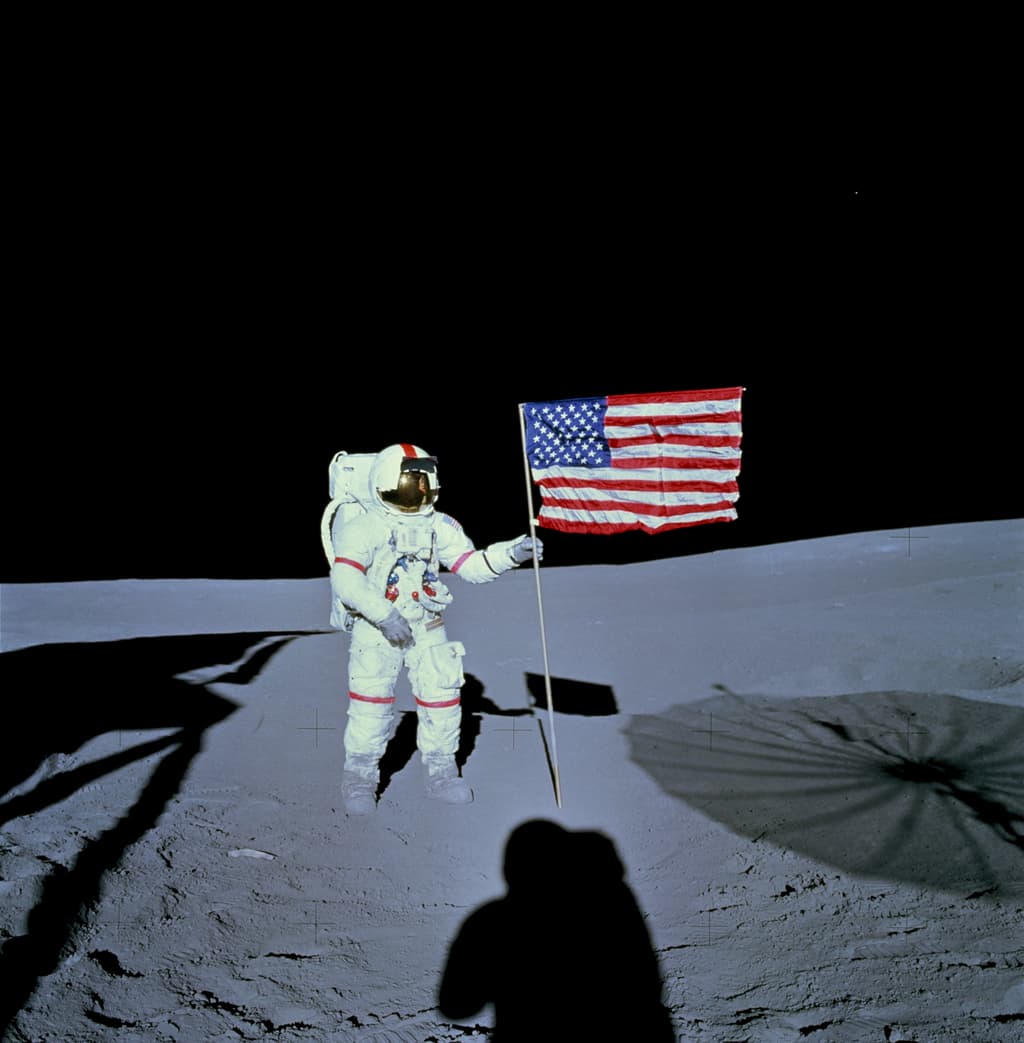
NASA's repeated delays to the Artemis program, including the February announcement shifting the first crewed moon landing from Artemis III in mid-2027 to Artemis IV in 2028, underpin the 94.4% market-implied probability for no human moon landing in 2026, reflecting trader consensus on persistent technical hurdles with SpaceX's Starship Human Landing System and the Space Launch System rocket. Yesterday's successful Artemis II crewed lunar flyby validates Orion spacecraft capabilities but serves only as a precursor without landing, amid ongoing Starship development delays flagged by NASA's inspector general in March. While accelerated Starship testing or an unforeseen private mission could challenge this, regulatory approvals, integration risks, and historical program slippage make a 2026 landing improbable.
Experimental AI-generated summary referencing Polymarket data · Updated$1,890,153 Vol.
$1,890,153 Vol.
$1,890,153 Vol.
$1,890,153 Vol.
A touchdown of the spacecraft with humans aboard will be sufficient to resolve this market to "Yes", regardless of technical complications.
The resolution source will be a consensus of credible reporting.
Market Opened: Jan 7, 2026, 4:01 PM ET
Resolver
0x65070BE91...A touchdown of the spacecraft with humans aboard will be sufficient to resolve this market to "Yes", regardless of technical complications.
The resolution source will be a consensus of credible reporting.
Resolver
0x65070BE91...NASA's repeated delays to the Artemis program, including the February announcement shifting the first crewed moon landing from Artemis III in mid-2027 to Artemis IV in 2028, underpin the 94.4% market-implied probability for no human moon landing in 2026, reflecting trader consensus on persistent technical hurdles with SpaceX's Starship Human Landing System and the Space Launch System rocket. Yesterday's successful Artemis II crewed lunar flyby validates Orion spacecraft capabilities but serves only as a precursor without landing, amid ongoing Starship development delays flagged by NASA's inspector general in March. While accelerated Starship testing or an unforeseen private mission could challenge this, regulatory approvals, integration risks, and historical program slippage make a 2026 landing improbable.
Experimental AI-generated summary referencing Polymarket data · Updated
Beware of external links.
Beware of external links.
Frequently Asked Questions