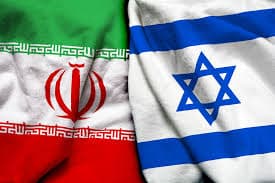
Recent Iranian ballistic missile strikes on Israel on October 1, comprising around 200 projectiles in retaliation for Israeli assassinations of Hezbollah leader Hassan Nasrallah and senior IRGC commanders, represent the primary catalyst shifting trader sentiment toward heightened escalation risks. Most missiles were intercepted with U.S. assistance, resulting in minimal damage, yet Israeli officials vowed a forceful response, amplifying uncertainty. This marks Iran's second direct attack on Israel since April, amid ongoing proxy conflicts involving Hezbollah, Houthis, and Hamas. Trader consensus reflects wariness of a broadening regional conflict, tempered by past patterns of calibrated restraint to avoid full-scale war; key watches include Israel's next moves and U.S. diplomatic efforts before potential deadlines.
Resumen experimental generado por IA con datos de Polymarket · ActualizadoIran military action against Israel on...?
Iran military action against Israel on...?
April 1
68%
April 2
69%
April 3
59%
April 4
53%
April 5
52%
April 6
51%
April 7
49%
April 8
45%
April 9
44%
April 10
47%
$476 Vol.
April 1
68%
April 2
69%
April 3
59%
April 4
53%
April 5
52%
April 6
51%
April 7
49%
April 8
45%
April 9
44%
April 10
47%
For the purposes of this market, a qualifying "strike" is defined as the use of aerial bombs, drones, or missiles (including cruise or ballistic missiles) launched by Iranian military forces that impact Israeli ground territory.
A strike on any area within the terrestrial territory of Israel counts. Strikes within the West Bank or the Gaza Strip will not be counted as Israel.
Only military actions by Iranian forces explicitly claimed by the Islamic Republic of Iran, or confirmed to have originated from Iranian territory, will count toward the resolution of this market. Attacks by proxy forces (i.e., Hezbollah, Houthis, etc.) will not count toward the resolution of this market.
Missiles or drones that are intercepted and surface-to-air missile strikes will not be sufficient for a "Yes" resolution, regardless of whether they land on Israeli territory or cause damage.
Actions such as artillery fire, small arms fire, FPV or ground-based ATGM strikes, ground incursions, naval shelling, cyberattacks, or other operations conducted by Iranian ground operatives will not qualify.
The primary resolution source will be official government/military statements (Israeli or foreign), multilateral bodies (UN, etc.), or a consensus of credible reporting from major international media and national broadcasters/newspapers.
If the date/time of a strike cannot be confirmed by a consensus of credible reporting by the end of the third calendar date after the specified date, it will resolve to "No" regardless of whether a strike is later confirmed to have taken place.
Mercado abierto: Mar 24, 2026, 1:04 PM ET
Resolver
0x65070BE91...Resolver
0x65070BE91...Recent Iranian ballistic missile strikes on Israel on October 1, comprising around 200 projectiles in retaliation for Israeli assassinations of Hezbollah leader Hassan Nasrallah and senior IRGC commanders, represent the primary catalyst shifting trader sentiment toward heightened escalation risks. Most missiles were intercepted with U.S. assistance, resulting in minimal damage, yet Israeli officials vowed a forceful response, amplifying uncertainty. This marks Iran's second direct attack on Israel since April, amid ongoing proxy conflicts involving Hezbollah, Houthis, and Hamas. Trader consensus reflects wariness of a broadening regional conflict, tempered by past patterns of calibrated restraint to avoid full-scale war; key watches include Israel's next moves and U.S. diplomatic efforts before potential deadlines.
Resumen experimental generado por IA con datos de Polymarket · Actualizado
Cuidado con los enlaces externos.
Cuidado con los enlaces externos.
Preguntas frecuentes