Trader consensus reflects a razor-thin race between Jordan Bardella and Édouard Philippe for the 2027 French presidential election, driven by March municipal elections where the National Rally secured gains in smaller towns but mainstream cooperation blocked breakthroughs in key cities like Marseille, tempering far-right momentum. Philippe's decisive Le Havre mayoral reelection solidified his center-right credentials as Bardella's chief rival. Latest Elabe polling (late March) shows Bardella leading the first round at 38% to Philippe's 26%, with a fragmented left (Mélenchon 13%) splitting anti-RN votes, yet Philippe edges a tight second-round matchup 52%-48%. Consolidation via center-right primaries, left unification efforts, or economic shocks could widen the gap before April 2027 voting.
Résumé expérimental généré par IA à partir des données Polymarket · Mis à jourProchaine élection présidentielle française
Prochaine élection présidentielle française
Jordan Bardella 24%
Édouard Philippe 23%
Jean-Luc Mélenchon 9%
Marine Le Pen 8%
$23,147,671 Vol.
$23,147,671 Vol.

Jordan Bardella
24%

Édouard Philippe
23%

Jean-Luc Mélenchon
9%

Marine Le Pen
8%

Dominique de Villepin
5%

Raphaël Glucksmann
4%

François Hollande
4%

Bruno Retailleau
4%

Sarah Knafo
3%

David Lisnard
3%

Gabriel Attal
3%

Sébastien Lecornu
2%

Gérald Darmanin
1%

Jean Castex
1%

Éric Zemmour
1%

Juan Branco
1%

Bernard Cazeneuve
1%

François Ruffin
1%

Marine Tondelier
<1%

Nicolas Dupont-Aignan
<1%

Laurent Wauquiez
<1%

Fabien Roussel
<1%
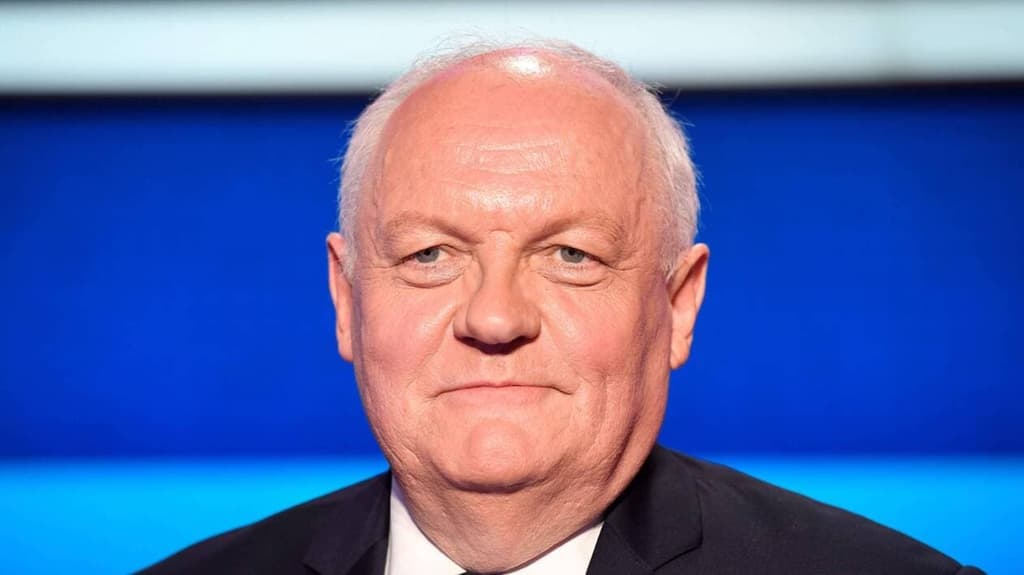
François Asselineau
<1%

Valérie Pécresse
<1%

Élisabeth Borne
<1%

Titre du groupe : Manuel Bompard
<1%

Xavier Bertrand
<1%

Olivier Faure
<1%

Ségolène Royal
<1%

Clémentine Autain
<1%

Michel Barnier
<1%

François Bayrou
<1%

Yaël Braun-Pivet
<1%
Clémence Guetté
<1%

Titre d'élément du groupe: Carole Delga
<1%

Mathilde Panot
<1%
Jordan Bardella 24%
Édouard Philippe 23%
Jean-Luc Mélenchon 9%
Marine Le Pen 8%
$23,147,671 Vol.
$23,147,671 Vol.
Jordan Bardella
24%
Édouard Philippe
23%
Jean-Luc Mélenchon
9%
Marine Le Pen
8%
Dominique de Villepin
5%
Raphaël Glucksmann
4%
François Hollande
4%
Bruno Retailleau
4%
Sarah Knafo
3%
David Lisnard
3%
Gabriel Attal
3%
Sébastien Lecornu
2%
Gérald Darmanin
1%
Jean Castex
1%
Éric Zemmour
1%
Juan Branco
1%
Bernard Cazeneuve
1%
François Ruffin
1%
Marine Tondelier
<1%
Nicolas Dupont-Aignan
<1%
Laurent Wauquiez
<1%
Fabien Roussel
<1%
François Asselineau
<1%
Valérie Pécresse
<1%
Élisabeth Borne
<1%
Titre du groupe : Manuel Bompard
<1%
Xavier Bertrand
<1%
Olivier Faure
<1%
Ségolène Royal
<1%
Clémentine Autain
<1%
Michel Barnier
<1%
François Bayrou
<1%
Yaël Braun-Pivet
<1%
Clémence Guetté
<1%
Titre d'élément du groupe: Carole Delga
<1%
Mathilde Panot
<1%
The President of France is elected via a two-round system; a candidate must secure over 50% of the vote to win outright in the first round. If no candidate achieves this, the top two contenders advance to a runoff.
This market will resolve according to the candidate who wins this election.
This market includes any potential second round. If, for any reason, the results of the election are not known by December 31, 2027, 11:59 PM ET, this market will resolve to "Other".
This market will resolve based on the result of the election as indicated by a consensus of credible reporting. If there is ambiguity, this market will resolve based solely on the official results as reported by the French Government, specifically the Ministry of the Interior (https://www.interieur.gouv.fr/).
Marché ouvert : Nov 13, 2025, 5:47 PM ET
Resolver
0x2F5e3684c...The President of France is elected via a two-round system; a candidate must secure over 50% of the vote to win outright in the first round. If no candidate achieves this, the top two contenders advance to a runoff.
This market will resolve according to the candidate who wins this election.
This market includes any potential second round. If, for any reason, the results of the election are not known by December 31, 2027, 11:59 PM ET, this market will resolve to "Other".
This market will resolve based on the result of the election as indicated by a consensus of credible reporting. If there is ambiguity, this market will resolve based solely on the official results as reported by the French Government, specifically the Ministry of the Interior (https://www.interieur.gouv.fr/).
Resolver
0x2F5e3684c...Trader consensus reflects a razor-thin race between Jordan Bardella and Édouard Philippe for the 2027 French presidential election, driven by March municipal elections where the National Rally secured gains in smaller towns but mainstream cooperation blocked breakthroughs in key cities like Marseille, tempering far-right momentum. Philippe's decisive Le Havre mayoral reelection solidified his center-right credentials as Bardella's chief rival. Latest Elabe polling (late March) shows Bardella leading the first round at 38% to Philippe's 26%, with a fragmented left (Mélenchon 13%) splitting anti-RN votes, yet Philippe edges a tight second-round matchup 52%-48%. Consolidation via center-right primaries, left unification efforts, or economic shocks could widen the gap before April 2027 voting.
Résumé expérimental généré par IA à partir des données Polymarket · Mis à jour
Méfiez-vous des liens externes.
Méfiez-vous des liens externes.
Questions fréquentes