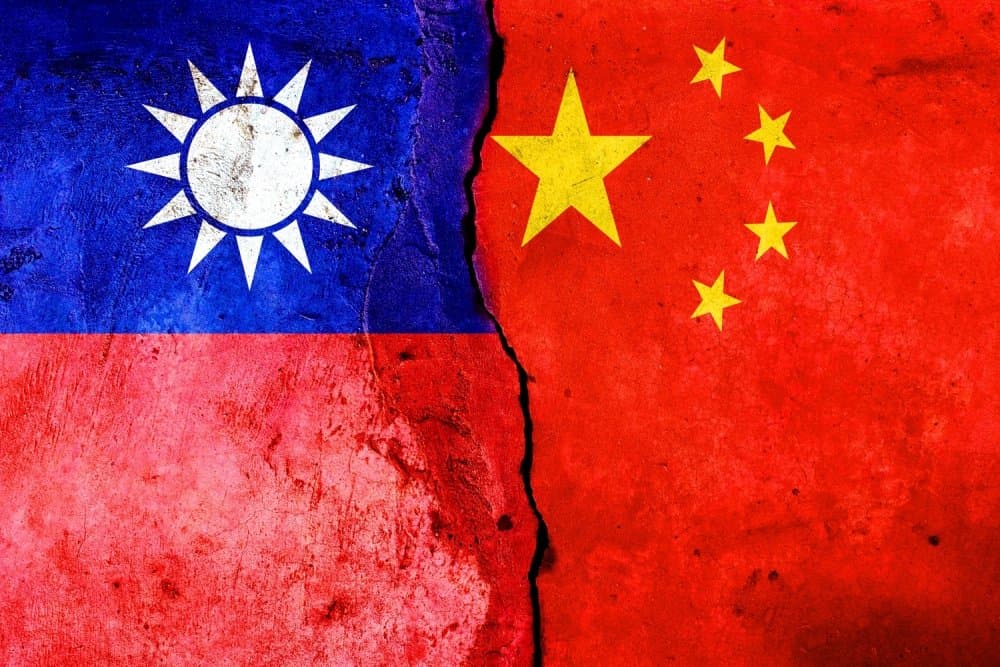
U.S. intelligence agencies' 2026 Annual Threat Assessment, released March 18, concluded that China does not currently plan a Taiwan invasion in 2027 and prefers unification without force, citing no fixed timeline despite ongoing PLA modernization. This assessment, echoed in reports from the Wall Street Journal and Reuters, has anchored trader consensus at 86.5% for "No," reflecting deterrence from U.S. commitments, Japan's shifting posture under Prime Minister Takaichi, and Beijing's economic pressures. Recent PLA actions—resumed air incursions after a mid-March hiatus, deployment of jet drones near the Taiwan Strait on March 27, and routine gray-zone coercion—signal persistent pressure but no escalation toward amphibious assault. Absent major triggers like U.S. distractions or Taiwan independence moves, markets anticipate continued standoff through June 2027.
Experimental AI-generated summary referencing Polymarket data · UpdatedWill China invade Taiwan by June 30, 2027?
Will China invade Taiwan by June 30, 2027?
Territory under the administration of the Republic of China, including any inhabited islands, will qualify; however, uninhabited islands will not qualify.
The resolution source for this market will be official confirmation by China, Taiwan, the United Nations, or any permanent member of the UN Security Council; however, a consensus of credible reporting will also be used.
Market Opened: Apr 1, 2026, 12:17 PM ET
Resolver
0x65070BE91...Territory under the administration of the Republic of China, including any inhabited islands, will qualify; however, uninhabited islands will not qualify.
The resolution source for this market will be official confirmation by China, Taiwan, the United Nations, or any permanent member of the UN Security Council; however, a consensus of credible reporting will also be used.
Resolver
0x65070BE91...U.S. intelligence agencies' 2026 Annual Threat Assessment, released March 18, concluded that China does not currently plan a Taiwan invasion in 2027 and prefers unification without force, citing no fixed timeline despite ongoing PLA modernization. This assessment, echoed in reports from the Wall Street Journal and Reuters, has anchored trader consensus at 86.5% for "No," reflecting deterrence from U.S. commitments, Japan's shifting posture under Prime Minister Takaichi, and Beijing's economic pressures. Recent PLA actions—resumed air incursions after a mid-March hiatus, deployment of jet drones near the Taiwan Strait on March 27, and routine gray-zone coercion—signal persistent pressure but no escalation toward amphibious assault. Absent major triggers like U.S. distractions or Taiwan independence moves, markets anticipate continued standoff through June 2027.
Experimental AI-generated summary referencing Polymarket data · Updated


Beware of external links.
Beware of external links.
Frequently Asked Questions