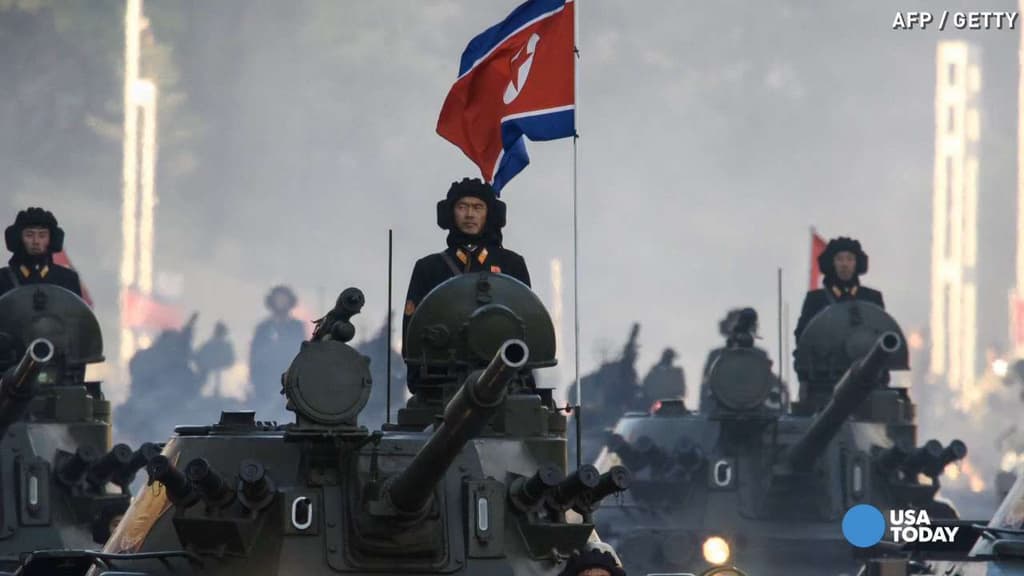
Trader consensus heavily favors no North Korean invasion of South Korea before 2027, reflecting robust deterrence from the U.S.-South Korea alliance, including joint military exercises and advanced defenses that would inflict catastrophic losses on Pyongyang. North Korea's recent focus on nuclear and missile tests—such as ICBM launches in October 2024—prioritizes asymmetric threats over conventional assault, while deploying up to 12,000 troops to aid Russia in Ukraine diverts resources and exposes vulnerabilities, with reports of heavy casualties. Harsh rhetoric from Kim Jong Un labeling Seoul the "principal enemy" persists amid border incidents like trash balloons and artillery fire, but no evidence of mass mobilization or DMZ crossings signals imminent aggression, aligning with decades of tense stability since the 1953 armistice.
Experimental AI-generated summary referencing Polymarket data · UpdatedWill North Korea invade South Korea before 2027?
Will North Korea invade South Korea before 2027?
$12,322 Vol.
$12,322 Vol.
$12,322 Vol.
$12,322 Vol.
The resolution source for this market will be will be official confirmation by South Korea, North Korea, the United Nations, or any permanent member of the UN Security Council, however a consensus of credible reporting will also be used.
Market Opened: Nov 5, 2025, 1:16 PM ET
Resolver
0x65070BE91...The resolution source for this market will be will be official confirmation by South Korea, North Korea, the United Nations, or any permanent member of the UN Security Council, however a consensus of credible reporting will also be used.
Resolver
0x65070BE91...Trader consensus heavily favors no North Korean invasion of South Korea before 2027, reflecting robust deterrence from the U.S.-South Korea alliance, including joint military exercises and advanced defenses that would inflict catastrophic losses on Pyongyang. North Korea's recent focus on nuclear and missile tests—such as ICBM launches in October 2024—prioritizes asymmetric threats over conventional assault, while deploying up to 12,000 troops to aid Russia in Ukraine diverts resources and exposes vulnerabilities, with reports of heavy casualties. Harsh rhetoric from Kim Jong Un labeling Seoul the "principal enemy" persists amid border incidents like trash balloons and artillery fire, but no evidence of mass mobilization or DMZ crossings signals imminent aggression, aligning with decades of tense stability since the 1953 armistice.
Experimental AI-generated summary referencing Polymarket data · Updated
Beware of external links.
Beware of external links.
Frequently Asked Questions