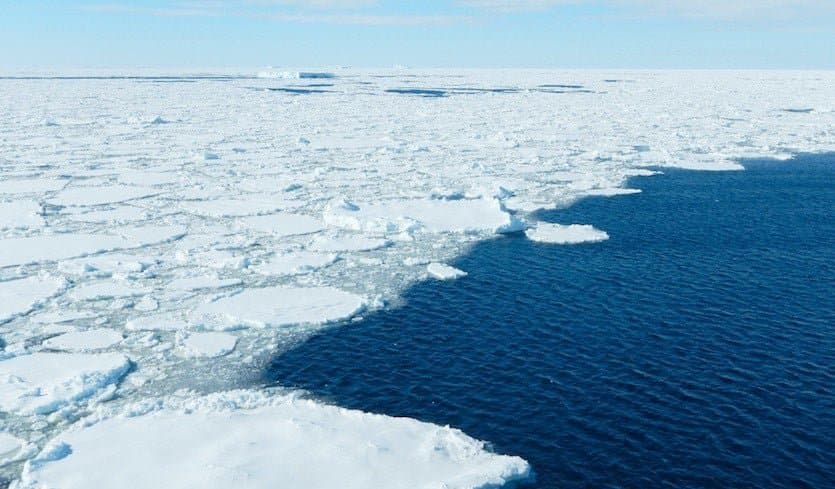
Trader consensus overwhelmingly favors a maximum Arctic sea ice extent of 14.2-14.4 million square kilometers this winter (92.5% implied probability), driven by persistent long-term decline amid global warming and recent precedents like March 2024's 14.33 million square kilometer peak—the 19th lowest in the 46-year satellite record per NSIDC data. Supporting evidence includes NOAA and CMIP6 model projections indicating continued low extents due to thinner ice and delayed freeze-up from record 2024 summer minimums, with current mid-winter growth tracking 2023-2024 trajectories. This positioning could be challenged by rare atmospheric blocking patterns fostering extreme cold over the Barents and Kara Seas, potentially boosting extent toward 14.8 million square kilometers, though such anomalies remain unlikely given ENSO-neutral conditions.
Experimental AI-generated summary referencing Polymarket data · UpdatedMax Arctic sea ice extent this winter?
Max Arctic sea ice extent this winter?
14.2-14.4m sq km 92%
14.8-15m sq km 3.2%
<14m sq km 2.9%
14.4-14.6m sq km 2.8%
$22,072 Vol.
$22,072 Vol.
<14m sq km
3%
14-14.2m sq km
1%
14.2-14.4m sq km
92%
14.4-14.6m sq km
3%
14.6-14.8m sq km
1%
14.8-15m sq km
3%
15m+ sq km
2%
14.2-14.4m sq km 92%
14.8-15m sq km 3.2%
<14m sq km 2.9%
14.4-14.6m sq km 2.8%
$22,072 Vol.
$22,072 Vol.
<14m sq km
3%
14-14.2m sq km
1%
14.2-14.4m sq km
92%
14.4-14.6m sq km
3%
14.6-14.8m sq km
1%
14.8-15m sq km
3%
15m+ sq km
2%
This market will remain open until data has been published for April 1, 2026, at which point it will resolve immediately. Any revisions to sea ice extent recorded after data is published for April 1, 2026 will not be considered.
The resolution source for this market measures Arctic sea ice extent to thousands of square kilometers (e.g. 14.255 million sq km). Thus, this is the level of precision that will be used when resolving the market.
The resolution source for this market will be information from the National Snow and Ice Data Center, specifically the maximum value recorded for any day between November 20, 2025 and April 1, 2026 in the “NH-Daily-Extent” tab of the “Sea Ice Index Daily Extent” data set, available at https://nsidc.org/sea-ice-today/sea-ice-tools. If this resolution source becomes unavailable, another resolution source will be chosen.
Market Opened: Nov 20, 2025, 6:43 PM ET
Resolver
0x2F5e3684c...Resolver
0x2F5e3684c...Trader consensus overwhelmingly favors a maximum Arctic sea ice extent of 14.2-14.4 million square kilometers this winter (92.5% implied probability), driven by persistent long-term decline amid global warming and recent precedents like March 2024's 14.33 million square kilometer peak—the 19th lowest in the 46-year satellite record per NSIDC data. Supporting evidence includes NOAA and CMIP6 model projections indicating continued low extents due to thinner ice and delayed freeze-up from record 2024 summer minimums, with current mid-winter growth tracking 2023-2024 trajectories. This positioning could be challenged by rare atmospheric blocking patterns fostering extreme cold over the Barents and Kara Seas, potentially boosting extent toward 14.8 million square kilometers, though such anomalies remain unlikely given ENSO-neutral conditions.
Experimental AI-generated summary referencing Polymarket data · Updated


Beware of external links.
Beware of external links.
Frequently Asked Questions