Recent AtlasIntel polling conducted March 18-23 reveals President Luiz Inácio Lula da Silva ahead of Senator Flávio Bolsonaro at 45.9% to 40.1% in first-round voting intentions for the October 4 election, with Renan Santos trailing far behind at 4.4% and other governors like Ronaldo Caiado and Romeu Zema fragmented below 4%, driving trader consensus toward Flávio as the clear second-place frontrunner. Flávio's surge from mid-30s in prior surveys stems from Jair Bolsonaro's endorsement, the right-wing field's consolidation after Ratinho Júnior's March 23 withdrawal, and Lula's slipping approval amid economic headwinds. Upcoming debates and regional primaries could further test this tight matchup, where undecideds and turnout in swing Northeast states remain pivotal.
Experimental AI-generated summary referencing Polymarket data · UpdatedFlávio Bolsonaro 56%
Luiz Inácio Lula da Silva 24%
Renan Santos 6.2%
Fernando Haddad 6.0%
$2,675,152 Vol.
$2,675,152 Vol.

Flávio Bolsonaro
56%
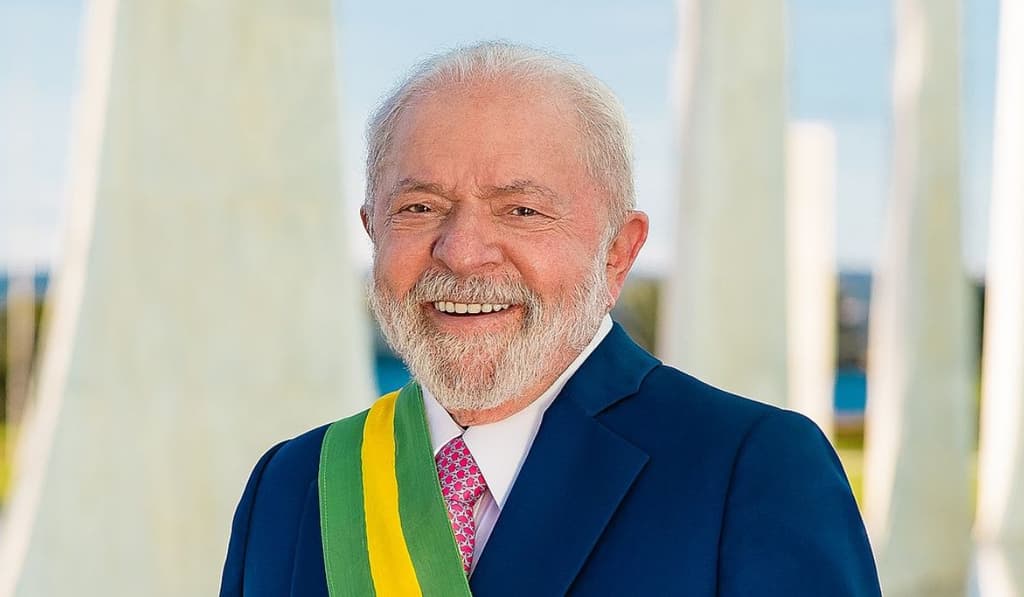
Luiz Inácio Lula da Silva
24%

Renan Santos
6%

Fernando Haddad
6%

Ronaldo Caiado
2%

Romeu Zema
2%

Tarcisio de Freitas
1%

Ratinho Júnior
1%

Geraldo Alckmin
<1%

Camilo Santana
<1%

Michelle Bolsonaro
<1%

Jair Bolsonaro
<1%

Eduardo Bolsonaro
<1%
Flávio Bolsonaro 56%
Luiz Inácio Lula da Silva 24%
Renan Santos 6.2%
Fernando Haddad 6.0%
$2,675,152 Vol.
$2,675,152 Vol.
Flávio Bolsonaro
56%
Luiz Inácio Lula da Silva
24%
Renan Santos
6%
Fernando Haddad
6%
Ronaldo Caiado
2%
Romeu Zema
2%
Tarcisio de Freitas
1%
Ratinho Júnior
1%
Geraldo Alckmin
<1%
Camilo Santana
<1%
Michelle Bolsonaro
<1%
Jair Bolsonaro
<1%
Eduardo Bolsonaro
<1%
This market will resolve according to the listed candidate who receives the second-most valid votes in the first round of this election.
The named candidates will be primarily ranked by the number of valid votes received in the specified election. If two or more candidates are tied on valid votes, ties will be broken by alphabetical order of the candidates' last names. This market will resolve to the candidate that occupies the second-highest finishing position after applying this ranking.
If the result of this election isn't known definitively by June 30, 2027, 11:59 PM ET, the market will resolve to "Other".
This market will resolve based on the result of the election, as indicated by a consensus of credible reporting. If there is ambiguity, this market will resolve based solely on the official results as reported by the Brazilian government, specifically the Superior Electoral Court (Tribunal Superior Eleitoral, TSE) (e.g., https://dadosabertos.tse.jus.br/).
Market Opened: Feb 11, 2026, 5:47 PM ET
Resolver
0x2F5e3684c...This market will resolve according to the listed candidate who receives the second-most valid votes in the first round of this election.
The named candidates will be primarily ranked by the number of valid votes received in the specified election. If two or more candidates are tied on valid votes, ties will be broken by alphabetical order of the candidates' last names. This market will resolve to the candidate that occupies the second-highest finishing position after applying this ranking.
If the result of this election isn't known definitively by June 30, 2027, 11:59 PM ET, the market will resolve to "Other".
This market will resolve based on the result of the election, as indicated by a consensus of credible reporting. If there is ambiguity, this market will resolve based solely on the official results as reported by the Brazilian government, specifically the Superior Electoral Court (Tribunal Superior Eleitoral, TSE) (e.g., https://dadosabertos.tse.jus.br/).
Resolver
0x2F5e3684c...Recent AtlasIntel polling conducted March 18-23 reveals President Luiz Inácio Lula da Silva ahead of Senator Flávio Bolsonaro at 45.9% to 40.1% in first-round voting intentions for the October 4 election, with Renan Santos trailing far behind at 4.4% and other governors like Ronaldo Caiado and Romeu Zema fragmented below 4%, driving trader consensus toward Flávio as the clear second-place frontrunner. Flávio's surge from mid-30s in prior surveys stems from Jair Bolsonaro's endorsement, the right-wing field's consolidation after Ratinho Júnior's March 23 withdrawal, and Lula's slipping approval amid economic headwinds. Upcoming debates and regional primaries could further test this tight matchup, where undecideds and turnout in swing Northeast states remain pivotal.
Experimental AI-generated summary referencing Polymarket data · UpdatedRelated
Will Renan Santos finish in third place in the first round of the 2026 Brazilian presidential election?
Will Luiz Inácio Lula da Silva win the first round of the 2026 Brazilian presidential election by less than 5%?
Will any presidential candidate win outright in the first round of the Brazil election?
Beware of external links.
Beware of external links.
Frequently Asked Questions