Keiko Fujimori leads Peru's April 12-13 first-round presidential vote count at around 17%, but the battle for second place—crucial for the June 7 runoff—pits leftist congressman Roberto Sánchez Palomino against far-right Rafael López Aliaga in a dead heat at roughly 12% each with 90% of ballots tallied as of April 15. Trader consensus heavily favors Sánchez at 79% implied probability, driven by exit polls from Ipsos showing him ahead and his strength in undercounted rural regions like Cajamarca, echoing jailed ex-President Castillo's base, while urban Lima bolsters Aliaga. Extended voting delays and polling disruptions have prolonged scrutiny of remaining rural tallies, keeping the race fluid amid Peru's fragmented 35-candidate field.
Экспериментальная сводка, созданная ИИ на основе данных Polymarket. Это не является торговой рекомендацией и не влияет на то, как разрешается этот рынок. · ОбновленоРоберто Санчес Паломино 78.8%
Рафаэль Лопес Альяга 19%
Хорхе Ньето <1%
Кейко Фухимори <1%
$4,438,429 Объем
$4,438,429 Объем
12 апр. 2026 г.
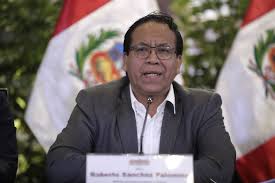
Роберто Санчес Паломино
79%
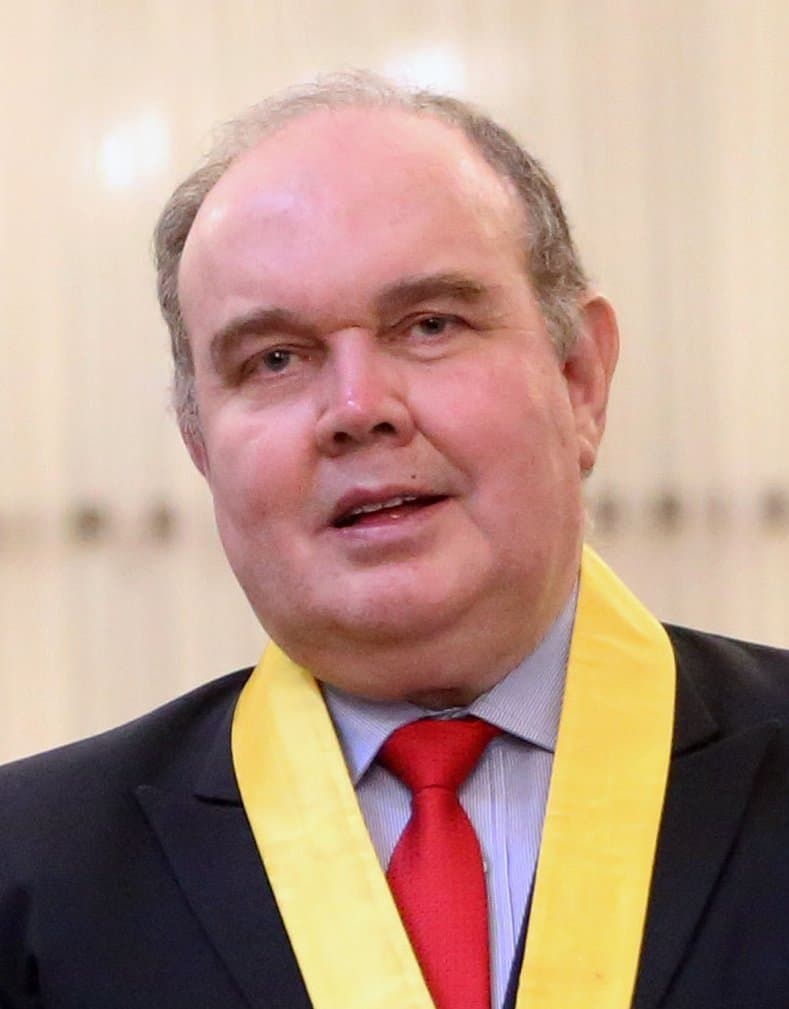
Рафаэль Лопес Альяга
19%
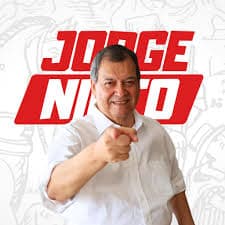
Хорхе Ньето
1%
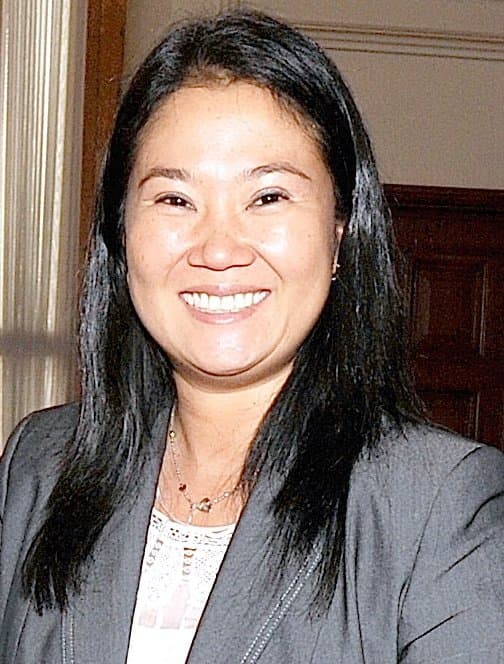
Кейко Фухимори
<1%
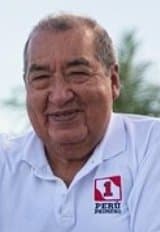
Марио Вискарра
<1%

Альфонсо Лопес Чау
<1%
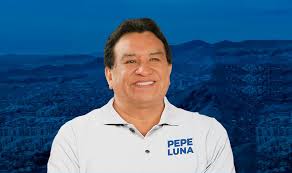
Хосе Луна
<1%

Энрике Вальдеррама
<1%
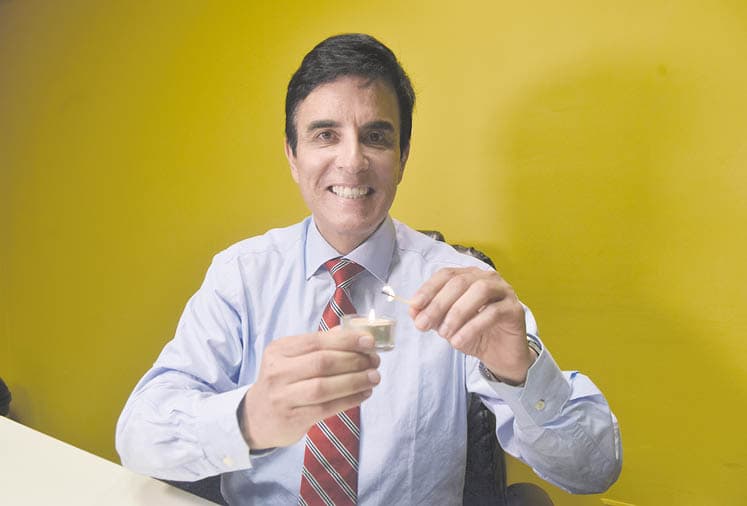
Карлос Эспа
<1%

Рафаэль Белаунде Льоса
<1%
Месияс Гевара
<1%

Джордж Форсайт
<1%

Фиорелла Молинелли
<1%

Сесар Акуня
<1%

Хосе Уильямс
<1%

Рикардо Бельмонт
<1%
Карлос Альварес
<1%
Владимир Серрон
<1%
Роберто Чиабра
<1%

Фернандо Оливера
<1%
Йонхи Лескано
<1%

Марисоль Перес Тельо
<1%

Вольфганг Грозо
<1%
Роберто Санчес Паломино 78.8%
Рафаэль Лопес Альяга 19%
Хорхе Ньето <1%
Кейко Фухимори <1%
$4,438,429 Объем
$4,438,429 Объем
12 апр. 2026 г.
Роберто Санчес Паломино
$1,728,323 Объем
79%
Рафаэль Лопес Альяга
$1,491,445 Объем
19%
Хорхе Ньето
$315,714 Объем
1%
Кейко Фухимори
$168,463 Объем
<1%
Марио Вискарра
$26,201 Объем
<1%
Альфонсо Лопес Чау
$97,036 Объем
<1%
Хосе Луна
$19,023 Объем
<1%
Энрике Вальдеррама
$19,429 Объем
<1%
Карлос Эспа
$25,495 Объем
<1%
Рафаэль Белаунде Льоса
$17,790 Объем
<1%
Месияс Гевара
$21,797 Объем
<1%
Джордж Форсайт
$21,365 Объем
<1%
Фиорелла Молинелли
$20,383 Объем
<1%
Сесар Акуня
$21,993 Объем
<1%
Хосе Уильямс
$21,851 Объем
<1%
Рикардо Бельмонт
$213,973 Объем
<1%
Карлос Альварес
$70,801 Объем
<1%
Владимир Серрон
$21,320 Объем
<1%
Роберто Чиабра
$20,938 Объем
<1%
Фернандо Оливера
$21,593 Объем
<1%
Йонхи Лескано
$30,622 Объем
<1%
Марисоль Перес Тельо
$21,630 Объем
<1%
Вольфганг Грозо
$21,243 Объем
<1%
First-round presidential elections are scheduled to be held in Peru on April 12, 2026, with a potential second round on June 7, 2026, if no candidate receives more than 50% of the valid votes outright.
This market will resolve according to the listed candidate who receives the second-most valid votes in the first round of this election.
The named candidates will be primarily ranked by the number of valid votes received in the specified election. If two or more candidates are tied on valid votes, ties will be broken by alphabetical order of the candidates' last names. This market will resolve to the candidate that occupies the second-highest finishing position after applying this ranking.
If the results are not known definitively by October 31, 2026, 11:59 PM ET, this market will resolve to "Other".
This market will resolve based on the results of this election, as indicated by a consensus of credible reporting. If there is ambiguity, this market will resolve solely on the official results as reported by the Peruvian government, specifically the National Office of Electoral Processes (Oficina Nacional de Procesos Electorales, ONPE) (https://www.onpe.gob.pe/elecciones/) and the National Jury of Elections (Jurado Nacional de Elecciones, JNE) (https://portal.jne.gob.pe/portal/)Keiko Fujimori leads Peru's April 12-13 first-round presidential vote count at around 17%, but the battle for second place—crucial for the June 7 runoff—pits leftist congressman Roberto Sánchez Palomino against far-right Rafael López Aliaga in a dead heat at roughly 12% each with 90% of ballots tallied as of April 15. Trader consensus heavily favors Sánchez at 79% implied probability, driven by exit polls from Ipsos showing him ahead and his strength in undercounted rural regions like Cajamarca, echoing jailed ex-President Castillo's base, while urban Lima bolsters Aliaga. Extended voting delays and polling disruptions have prolonged scrutiny of remaining rural tallies, keeping the race fluid amid Peru's fragmented 35-candidate field.
First-round presidential elections are scheduled to be held in Peru on April 12, 2026, with a potential second round on June 7, 2026, if no candidate receives more than 50% of the valid votes outright.
This market will resolve according to the listed candidate who receives the second-most valid votes in the first round of this election.
The named candidates will be primarily ranked by the number of valid votes received in the specified election. If two or more candidates are tied on valid votes, ties will be broken by alphabetical order of the candidates' last names. This market will resolve to the candidate that occupies the second-highest finishing position after applying this ranking.
If the results are not known definitively by October 31, 2026, 11:59 PM ET, this market will resolve to "Other".
This market will resolve based on the results of this election, as indicated by a consensus of credible reporting. If there is ambiguity, this market will resolve solely on the official results as reported by the Peruvian government, specifically the National Office of Electoral Processes (Oficina Nacional de Procesos Electorales, ONPE) (https://www.onpe.gob.pe/elecciones/) and the National Jury of Elections (Jurado Nacional de Elecciones, JNE) (https://portal.jne.gob.pe/portal/)
This market will resolve according to the listed candidate who receives the second-most valid votes in the first round of this election.
The named candidates will be primarily ranked by the number of valid votes received in the specified election. If two or more candidates are tied on valid votes, ties will be broken by alphabetical order of the candidates' last names. This market will resolve to the candidate that occupies the second-highest finishing position after applying this ranking.
If the results are not known definitively by October 31, 2026, 11:59 PM ET, this market will resolve to "Other".
This market will resolve based on the results of this election, as indicated by a consensus of credible reporting. If there is ambiguity, this market will resolve solely on the official results as reported by the Peruvian government, specifically the National Office of Electoral Processes (Oficina Nacional de Procesos Electorales, ONPE) (https://www.onpe.gob.pe/elecciones/) and the National Jury of Elections (Jurado Nacional de Elecciones, JNE) (https://portal.jne.gob.pe/portal/)
Открытие рынка: Mar 20, 2026, 10:30 AM ET
Объем
$4,438,429Дата окончания
12 апр. 2026 г.Открытие рынка
Mar 20, 2026, 10:30 AM ETResolver
0x69c47De9D...First-round presidential elections are scheduled to be held in Peru on April 12, 2026, with a potential second round on June 7, 2026, if no candidate receives more than 50% of the valid votes outright.
This market will resolve according to the listed candidate who receives the second-most valid votes in the first round of this election.
The named candidates will be primarily ranked by the number of valid votes received in the specified election. If two or more candidates are tied on valid votes, ties will be broken by alphabetical order of the candidates' last names. This market will resolve to the candidate that occupies the second-highest finishing position after applying this ranking.
If the results are not known definitively by October 31, 2026, 11:59 PM ET, this market will resolve to "Other".
This market will resolve based on the results of this election, as indicated by a consensus of credible reporting. If there is ambiguity, this market will resolve solely on the official results as reported by the Peruvian government, specifically the National Office of Electoral Processes (Oficina Nacional de Procesos Electorales, ONPE) (https://www.onpe.gob.pe/elecciones/) and the National Jury of Elections (Jurado Nacional de Elecciones, JNE) (https://portal.jne.gob.pe/portal/)Keiko Fujimori leads Peru's April 12-13 first-round presidential vote count at around 17%, but the battle for second place—crucial for the June 7 runoff—pits leftist congressman Roberto Sánchez Palomino against far-right Rafael López Aliaga in a dead heat at roughly 12% each with 90% of ballots tallied as of April 15. Trader consensus heavily favors Sánchez at 79% implied probability, driven by exit polls from Ipsos showing him ahead and his strength in undercounted rural regions like Cajamarca, echoing jailed ex-President Castillo's base, while urban Lima bolsters Aliaga. Extended voting delays and polling disruptions have prolonged scrutiny of remaining rural tallies, keeping the race fluid amid Peru's fragmented 35-candidate field.
First-round presidential elections are scheduled to be held in Peru on April 12, 2026, with a potential second round on June 7, 2026, if no candidate receives more than 50% of the valid votes outright.
This market will resolve according to the listed candidate who receives the second-most valid votes in the first round of this election.
The named candidates will be primarily ranked by the number of valid votes received in the specified election. If two or more candidates are tied on valid votes, ties will be broken by alphabetical order of the candidates' last names. This market will resolve to the candidate that occupies the second-highest finishing position after applying this ranking.
If the results are not known definitively by October 31, 2026, 11:59 PM ET, this market will resolve to "Other".
This market will resolve based on the results of this election, as indicated by a consensus of credible reporting. If there is ambiguity, this market will resolve solely on the official results as reported by the Peruvian government, specifically the National Office of Electoral Processes (Oficina Nacional de Procesos Electorales, ONPE) (https://www.onpe.gob.pe/elecciones/) and the National Jury of Elections (Jurado Nacional de Elecciones, JNE) (https://portal.jne.gob.pe/portal/)
This market will resolve according to the listed candidate who receives the second-most valid votes in the first round of this election.
The named candidates will be primarily ranked by the number of valid votes received in the specified election. If two or more candidates are tied on valid votes, ties will be broken by alphabetical order of the candidates' last names. This market will resolve to the candidate that occupies the second-highest finishing position after applying this ranking.
If the results are not known definitively by October 31, 2026, 11:59 PM ET, this market will resolve to "Other".
This market will resolve based on the results of this election, as indicated by a consensus of credible reporting. If there is ambiguity, this market will resolve solely on the official results as reported by the Peruvian government, specifically the National Office of Electoral Processes (Oficina Nacional de Procesos Electorales, ONPE) (https://www.onpe.gob.pe/elecciones/) and the National Jury of Elections (Jurado Nacional de Elecciones, JNE) (https://portal.jne.gob.pe/portal/)
Объем
$4,438,429Дата окончания
12 апр. 2026 г.Открытие рынка
Mar 20, 2026, 10:30 AM ETResolver
0x69c47De9D...Keiko Fujimori leads Peru's April 12-13 first-round presidential vote count at around 17%, but the battle for second place—crucial for the June 7 runoff—pits leftist congressman Roberto Sánchez Palomino against far-right Rafael López Aliaga in a dead heat at roughly 12% each with 90% of ballots tallied as of April 15. Trader consensus heavily favors Sánchez at 79% implied probability, driven by exit polls from Ipsos showing him ahead and his strength in undercounted rural regions like Cajamarca, echoing jailed ex-President Castillo's base, while urban Lima bolsters Aliaga. Extended voting delays and polling disruptions have prolonged scrutiny of remaining rural tallies, keeping the race fluid amid Peru's fragmented 35-candidate field.
Экспериментальная сводка, созданная ИИ на основе данных Polymarket. Это не является торговой рекомендацией и не влияет на то, как разрешается этот рынок. · Обновлено
Не доверяй внешним ссылкам.
Не доверяй внешним ссылкам.
Часто задаваемые вопросы