
Rafael López Aliaga and Keiko Fujimori dominate trader consensus for second place in Peru's 2026 presidential election first round, with 46.5% and 46.0% implied probabilities, highlighting a razor-thin right-wing contest amid a fragmented field of two dozen candidates. Recent Ipsos and Datum polls place both near 9-11% national support, splitting conservative voters disillusioned by corruption scandals, economic stagnation, and repeated leadership crises since 2021. Contenders like Alfonso López Chau trail at 39.0% odds due to weaker name recognition and regional appeal. The race stays tight from ideological overlap and undecided voters; catalysts for separation include January 2026 debates, key endorsements from business leaders, or shifts in approval for interim President Dina Boluarte.
Résumé expérimental généré par IA à partir des données Polymarket · Mis à jourCarlos Espá 73%
Rafael López Aliaga 47%
Keiko Fujimori 46%
Alfonso López Chau 39%
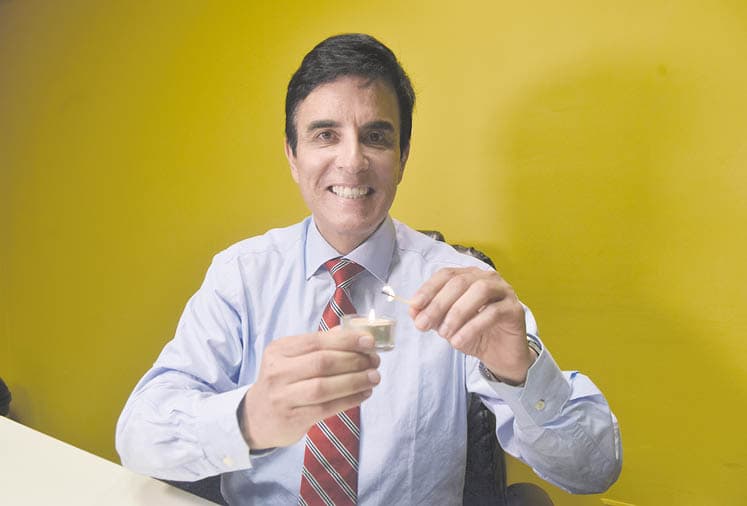
Carlos Espá
73%

Rafael López Aliaga
47%
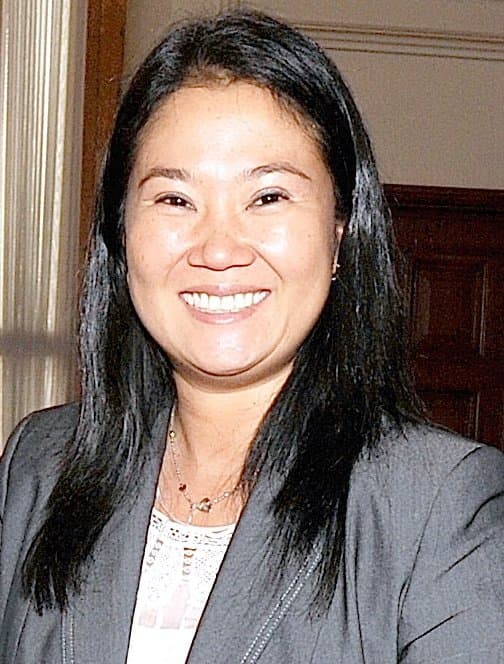
Keiko Fujimori
46%

Alfonso López Chau
39%
José Luna
38%

Enrique Valderrama
38%

Rafael Belaúnde Llosa
38%

Roberto Chiabra
38%

Marisol Pérez Tello
38%

Mario Vizcarra
37%
Mesías Guevara
37%

George Forsyth
37%

Fiorella Molinelli
37%
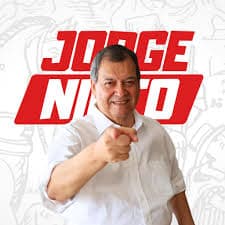
Jorge Nieto
37%

César Acuña
37%

Ricardo Belmont
37%

Roberto Sánchez Palomino
37%

Carlos Álvarez
37%

Fernando Olivera
37%
Yonhy Lescano
37%

Wolfgang Grozo
37%
Vladimir Cerrón
37%

José Williams
36%
Carlos Espá 73%
Rafael López Aliaga 47%
Keiko Fujimori 46%
Alfonso López Chau 39%
Carlos Espá
73%
Rafael López Aliaga
47%
Keiko Fujimori
46%
Alfonso López Chau
39%
José Luna
38%
Enrique Valderrama
38%
Rafael Belaúnde Llosa
38%
Roberto Chiabra
38%
Marisol Pérez Tello
38%
Mario Vizcarra
37%
Mesías Guevara
37%
George Forsyth
37%
Fiorella Molinelli
37%
Jorge Nieto
37%
César Acuña
37%
Ricardo Belmont
37%
Roberto Sánchez Palomino
37%
Carlos Álvarez
37%
Fernando Olivera
37%
Yonhy Lescano
37%
Wolfgang Grozo
37%
Vladimir Cerrón
37%
José Williams
36%
This market will resolve according to the listed candidate who receives the second-most valid votes in the first round of this election.
The named candidates will be primarily ranked by the number of valid votes received in the specified election. If two or more candidates are tied on valid votes, ties will be broken by alphabetical order of the candidates' last names. This market will resolve to the candidate that occupies the second-highest finishing position after applying this ranking.
If the results are not known definitively by October 31, 2026, 11:59 PM ET, this market will resolve to "Other".
This market will resolve based on the results of this election, as indicated by a consensus of credible reporting. If there is ambiguity, this market will resolve solely on the official results as reported by the Peruvian government, specifically the National Office of Electoral Processes (Oficina Nacional de Procesos Electorales, ONPE) (https://www.onpe.gob.pe/elecciones/) and the National Jury of Elections (Jurado Nacional de Elecciones, JNE) (https://portal.jne.gob.pe/portal/)
Marché ouvert : Mar 20, 2026, 10:30 AM ET
Resolver
0x69c47De9D...Resolver
0x69c47De9D...Rafael López Aliaga and Keiko Fujimori dominate trader consensus for second place in Peru's 2026 presidential election first round, with 46.5% and 46.0% implied probabilities, highlighting a razor-thin right-wing contest amid a fragmented field of two dozen candidates. Recent Ipsos and Datum polls place both near 9-11% national support, splitting conservative voters disillusioned by corruption scandals, economic stagnation, and repeated leadership crises since 2021. Contenders like Alfonso López Chau trail at 39.0% odds due to weaker name recognition and regional appeal. The race stays tight from ideological overlap and undecided voters; catalysts for separation include January 2026 debates, key endorsements from business leaders, or shifts in approval for interim President Dina Boluarte.
Résumé expérimental généré par IA à partir des données Polymarket · Mis à jour
Méfiez-vous des liens externes.
Méfiez-vous des liens externes.
Questions fréquentes