
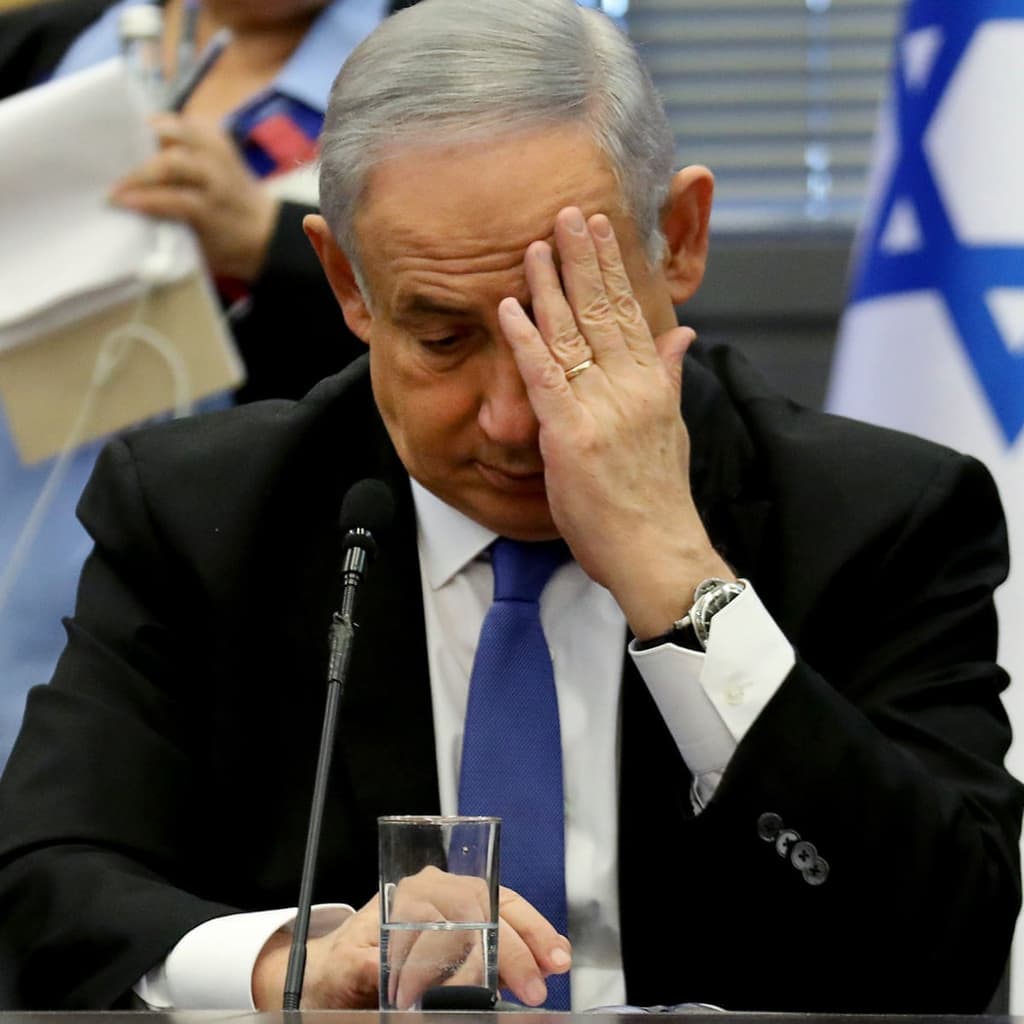
Recent polls show Benjamin Netanyahu’s right-wing bloc and the opposition led by Gadi Eisenkot’s Yashar party essentially tied near 52 seats each ahead of Israel’s October 27 legislative election, well short of the 61-seat majority required to form a government. The contest remains fluid as voters weigh security failures tied to the October 7 attacks, recent incidents including the Flydubai cockpit confrontation, and disputes over military service exemptions for ultra-Orthodox parties. Coalition talks after the vote will hinge on surplus agreements, Arab-party positioning, and whether fragmented opposition factions can unify, with late shifts in turnout or threshold-crossing parties able to alter the balance and determine how soon a new prime minister takes office.
Résumé expérimental généré par IA à partir des données Polymarket. Ceci n'est pas un conseil de trading et ne joue aucun rôle dans la résolution de ce marché. · Mis à jourView resolved
Méfiez-vous des liens externes.
Méfiez-vous des liens externes.
Questions fréquentes