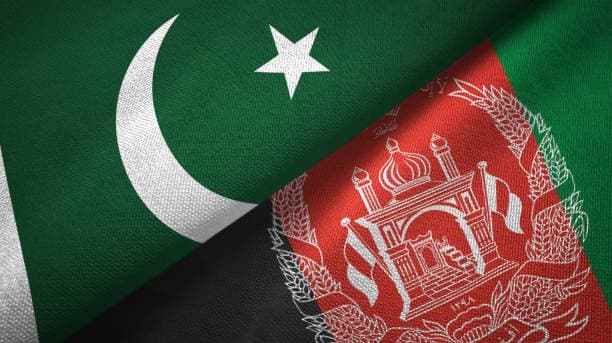
Pakistan and Afghanistan's Taliban regime remain locked in the 2026 border conflict, triggered by Pakistani airstrikes in late February targeting Tehrik-i-Taliban Pakistan (TTP) militant camps in provinces like Khost and Paktika, amid accusations of Taliban sanctuary for cross-border attacks. China-mediated talks in early April yielded pledges to de-escalate and pursue comprehensive solutions, following temporary Eid pauses that expired amid renewed clashes in late March. A local jirga truce on April 14 in Chitral's Arandu sector eased specific tensions along the Durand Line, but broader ceasefire hinges on addressing TTP safe havens. Traders eye ongoing negotiations and potential UN-backed diplomacy, with historical temporary halts underscoring fragility ahead of the market's resolution date.
Experimental AI-generated summary referencing Polymarket data. This is not trading advice and plays no role in how this market resolves. · Updated$145,020 Vol.
April 30
25%
$145,020 Vol.
April 30
25%
If the agreement is officially reached before the resolution date, this market will resolve to "Yes," regardless of whether the ceasefire officially starts afterward.
Any form of informal agreement will not be considered an official ceasefire. Humanitarian pauses will not count toward the resolution of this market.
A peace deal or political framework will qualify if it includes a publicly announced and mutually agreed halt in military engagement, effective on a specific date. Frameworks or agreements that outline terms for a future peace but do not include an explicit, dated commitment to stop fighting will not count.
This market's resolution will be based on official announcements from the governments of Pakistan and the Islamic Emirate of Afghanistan; however, a wide consensus of credible media reporting stating an official ceasefire agreement has been reached will suffice.
Market Opened: Mar 30, 2026, 4:58 PM ET
Resolver
0x65070BE91...If the agreement is officially reached before the resolution date, this market will resolve to "Yes," regardless of whether the ceasefire officially starts afterward.
Any form of informal agreement will not be considered an official ceasefire. Humanitarian pauses will not count toward the resolution of this market.
A peace deal or political framework will qualify if it includes a publicly announced and mutually agreed halt in military engagement, effective on a specific date. Frameworks or agreements that outline terms for a future peace but do not include an explicit, dated commitment to stop fighting will not count.
This market's resolution will be based on official announcements from the governments of Pakistan and the Islamic Emirate of Afghanistan; however, a wide consensus of credible media reporting stating an official ceasefire agreement has been reached will suffice.
Resolver
0x65070BE91...Pakistan and Afghanistan's Taliban regime remain locked in the 2026 border conflict, triggered by Pakistani airstrikes in late February targeting Tehrik-i-Taliban Pakistan (TTP) militant camps in provinces like Khost and Paktika, amid accusations of Taliban sanctuary for cross-border attacks. China-mediated talks in early April yielded pledges to de-escalate and pursue comprehensive solutions, following temporary Eid pauses that expired amid renewed clashes in late March. A local jirga truce on April 14 in Chitral's Arandu sector eased specific tensions along the Durand Line, but broader ceasefire hinges on addressing TTP safe havens. Traders eye ongoing negotiations and potential UN-backed diplomacy, with historical temporary halts underscoring fragility ahead of the market's resolution date.
Experimental AI-generated summary referencing Polymarket data. This is not trading advice and plays no role in how this market resolves. · Updated
Beware of external links.
Beware of external links.
Frequently Asked Questions