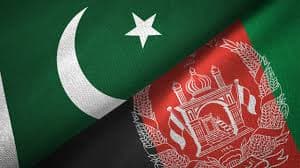
Escalating cross-border attacks by Tehrik-i-Taliban Pakistan (TTP) militants from Afghan soil have fueled trader consensus at 67% for Pakistani military action by March 31, driven by recent high-profile incidents and stern official warnings. A March 26 suicide bombing in Pakistan's Shangla district killed five Chinese engineers, prompting Islamabad to summon Afghanistan's charge d'affaires and blame Taliban inaction on TTP safe havens. Army Chief Asim Munir and PM Shehbaz Sharif vowed retaliation, echoing January airstrikes in Paktika and Khost provinces after similar strikes. Ongoing border shelling and airspace violations heighten risks, though Kabul denies harboring militants, leaving traders pricing in probable escalation amid historical patterns.
Experimental AI-generated summary referencing Polymarket data · UpdatedPakistan military action against Afghanistan by March 31?
Pakistan military action against Afghanistan by March 31?
For the purposes of this market, a qualifying "military action" is defined as the use of aerial bombs, drones or missiles (including cruise or ballistic missiles) launched by Pakistani military forces that impact Afghan ground territory or any official Afghan embassy or consulate (e.g., if a weapons depot on Afghan soil is hit by a Pakistani missile, this market will resolve to "Yes").
Missiles or drones that are intercepted and surface-to-air missile strikes will not be sufficient for a "Yes" resolution, regardless of whether they land on Afghan territory or cause damage.
Actions such as artillery fire, small arms fire, FPV or ground based ATGM strikes directly, ground incursions, naval shelling, cyberattacks, or other operations conducted by Pakistani ground operatives will not qualify.
The resolution source will be a consensus of credible reporting.
If the date/time of a strike cannot be confirmed by a consensus of credible reporting by the end of the third calendar date after this market's end date, it will resolve to "No" regardless of whether a strike was later confirmed to have taken place.
Market Opened: Mar 17, 2026, 8:12 PM ET
Resolver
0x65070BE91...For the purposes of this market, a qualifying "military action" is defined as the use of aerial bombs, drones or missiles (including cruise or ballistic missiles) launched by Pakistani military forces that impact Afghan ground territory or any official Afghan embassy or consulate (e.g., if a weapons depot on Afghan soil is hit by a Pakistani missile, this market will resolve to "Yes").
Missiles or drones that are intercepted and surface-to-air missile strikes will not be sufficient for a "Yes" resolution, regardless of whether they land on Afghan territory or cause damage.
Actions such as artillery fire, small arms fire, FPV or ground based ATGM strikes directly, ground incursions, naval shelling, cyberattacks, or other operations conducted by Pakistani ground operatives will not qualify.
The resolution source will be a consensus of credible reporting.
If the date/time of a strike cannot be confirmed by a consensus of credible reporting by the end of the third calendar date after this market's end date, it will resolve to "No" regardless of whether a strike was later confirmed to have taken place.
Resolver
0x65070BE91...Escalating cross-border attacks by Tehrik-i-Taliban Pakistan (TTP) militants from Afghan soil have fueled trader consensus at 67% for Pakistani military action by March 31, driven by recent high-profile incidents and stern official warnings. A March 26 suicide bombing in Pakistan's Shangla district killed five Chinese engineers, prompting Islamabad to summon Afghanistan's charge d'affaires and blame Taliban inaction on TTP safe havens. Army Chief Asim Munir and PM Shehbaz Sharif vowed retaliation, echoing January airstrikes in Paktika and Khost provinces after similar strikes. Ongoing border shelling and airspace violations heighten risks, though Kabul denies harboring militants, leaving traders pricing in probable escalation amid historical patterns.
Experimental AI-generated summary referencing Polymarket data · Updated

Beware of external links.
Beware of external links.
Frequently Asked Questions