
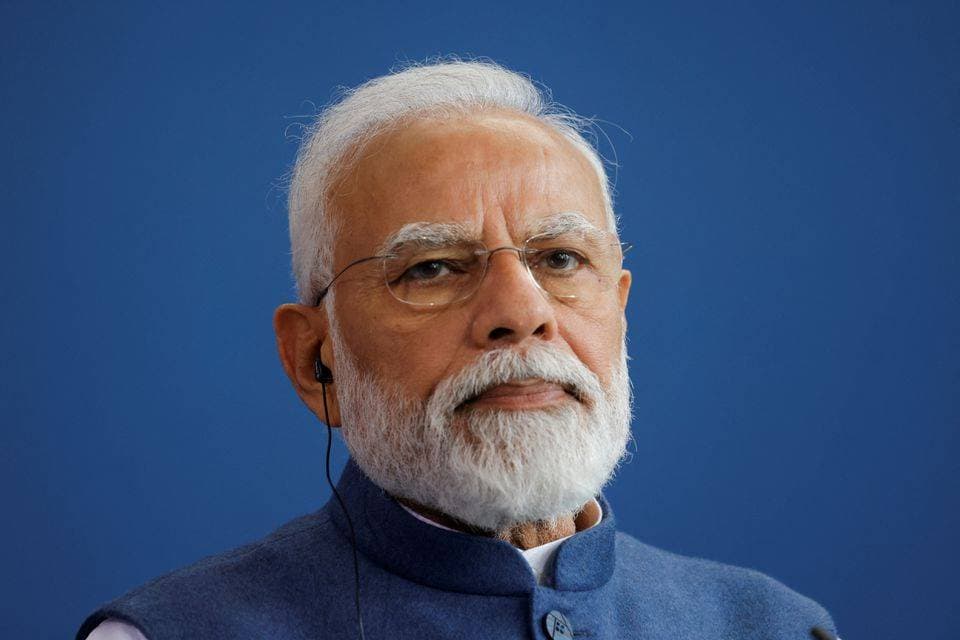
Narendra Modi’s third term as prime minister, secured in the 2024 Lok Sabha election, extends through 2029 under India’s parliamentary system, with the National Democratic Alliance retaining a working majority. Recent protests over electoral roll revisions have challenged the government but produced no parliamentary defections or no-confidence votes capable of forcing an early exit. State elections scheduled for 2027 offer the next major test, yet analysts note the coalition’s durability and the absence of scheduled mechanisms for leadership change before year-end. Trader consensus at 96.6% on “No” reflects these structural barriers. Rare scenarios that could still shift odds include sudden health developments, abrupt coalition fracture, or an unexpected resignation amid sustained unrest.
Experimental AI-generated summary referencing Polymarket data. This is not trading advice and plays no role in how this market resolves. · UpdatedView resolved
Beware of external links.
Beware of external links.
Frequently Asked Questions