Trader consensus on the 2028 presidential election winner prices JD Vance highest at 20%, driven by his vice-presidential role on the Republican ticket and positioning as a potential party successor should Donald Trump secure victory this November. Gavin Newsom follows at 18.1%, leveraging his California governorship, national fundraising, and visibility as a leading Democratic alternative amid uncertainty over Kamala Harris's future. Marco Rubio's 12.1% reflects his senatorial profile as a GOP contingency. The tight clustering arises from the unresolved 2024 outcome, absence of primaries, and fluid post-election party realignments. Catalysts for separation include November's election results, 2026 midterm control shifts, and 2027 candidate announcements.
Resumen experimental generado por IA con datos de Polymarket · ActualizadoGanador de las elecciones presidenciales de 2028
Ganador de las elecciones presidenciales de 2028
JD Vance 20.0%
Gavin Newsom 18.1%
Marco Rubio 12.3%
Alexandria Ocasio-Cortez 4.8%
$437,082,310 Vol.
$437,082,310 Vol.

JD Vance
20%

Gavin Newsom
18%

Marco Rubio
12%
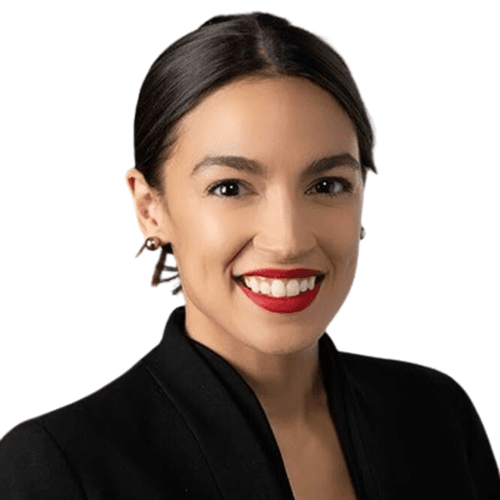
Alexandria Ocasio-Cortez
5%

Jon Ossoff
4%
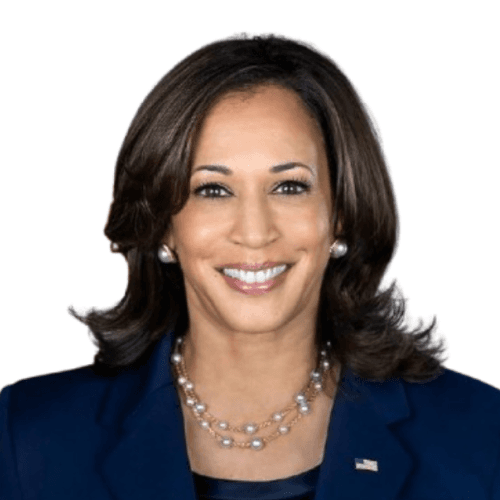
Título del ítem del grupo: Kamala Harris
3%
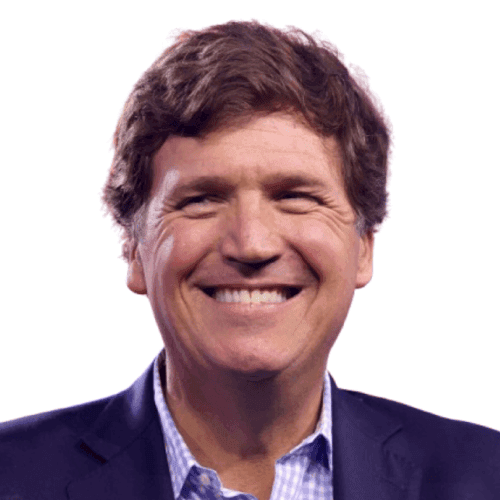
Tucker Carlson
3%

Donald Trump
3%

Josh Shapiro
2%

Pete Buttigieg
2%

JB Pritzker
2%

Dwayne 'The Rock' Johnson
2%

Ron DeSantis
2%

Título del grupo: Andy Beshear
1%

Ivanka Trump
1%
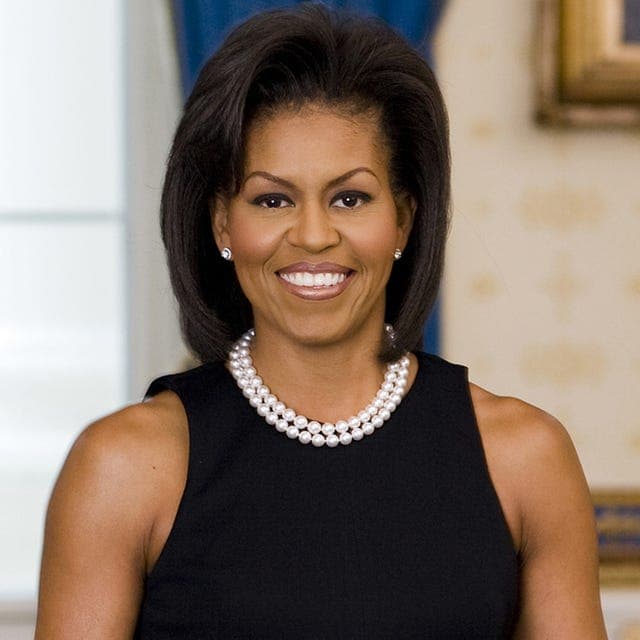
Michelle Obama
1%

Título del ítem del grupo: Elon Musk
1%

Vivek Ramaswamy
1%

Gretchen Whitmer
1%

Jamie Dimon
1%
Wes Moore
1%

Tulsi Gabbard
1%

Nikki Haley
1%

Greg Abbott
1%

Thomas Massie
1%

James Talarico
1%

Donald Trump Jr.
1%

Ro Khanna
1%

Glenn Youngkin
1%

Stephen Smith
1%

Kim Kardashian
1%
Zohran Mamdani
1%
Tim Walz
1%

Pete Hegseth
1%

Eric Trump
1%

LeBron James
1%
JD Vance 20.0%
Gavin Newsom 18.1%
Marco Rubio 12.3%
Alexandria Ocasio-Cortez 4.8%
$437,082,310 Vol.
$437,082,310 Vol.
JD Vance
20%
Gavin Newsom
18%
Marco Rubio
12%
Alexandria Ocasio-Cortez
5%
Jon Ossoff
4%
Título del ítem del grupo: Kamala Harris
3%
Tucker Carlson
3%
Donald Trump
3%
Josh Shapiro
2%
Pete Buttigieg
2%
JB Pritzker
2%
Dwayne 'The Rock' Johnson
2%
Ron DeSantis
2%
Título del grupo: Andy Beshear
1%
Ivanka Trump
1%
Michelle Obama
1%
Título del ítem del grupo: Elon Musk
1%
Vivek Ramaswamy
1%
Gretchen Whitmer
1%
Jamie Dimon
1%
Wes Moore
1%
Tulsi Gabbard
1%
Nikki Haley
1%
Greg Abbott
1%
Thomas Massie
1%
James Talarico
1%
Donald Trump Jr.
1%
Ro Khanna
1%
Glenn Youngkin
1%
Stephen Smith
1%
Kim Kardashian
1%
Zohran Mamdani
1%
Tim Walz
1%
Pete Hegseth
1%
Eric Trump
1%
LeBron James
1%
This market will resolve to the person who wins the 2028 US Presidential Election.
The resolution source for this market is the Associated Press, Fox News, and NBC. This market will resolve once all three sources call the race for the same candidate. If all three sources haven’t called the race for the same candidate by the inauguration date (January 20, 2029) this market will resolve based on who is inaugurated.
Mercado abierto: Jul 11, 2025, 2:44 PM ET
Resolver
0x2F5e3684c...We anticipate rolling out a new rewards and oracle-resolution system later this year that will generate returns on your positions, at which point there will be a simple 1-click migration.
Resolver
0x2F5e3684c...We anticipate rolling out a new rewards and oracle-resolution system later this year that will generate returns on your positions, at which point there will be a simple 1-click migration.
Trader consensus on the 2028 presidential election winner prices JD Vance highest at 20%, driven by his vice-presidential role on the Republican ticket and positioning as a potential party successor should Donald Trump secure victory this November. Gavin Newsom follows at 18.1%, leveraging his California governorship, national fundraising, and visibility as a leading Democratic alternative amid uncertainty over Kamala Harris's future. Marco Rubio's 12.1% reflects his senatorial profile as a GOP contingency. The tight clustering arises from the unresolved 2024 outcome, absence of primaries, and fluid post-election party realignments. Catalysts for separation include November's election results, 2026 midterm control shifts, and 2027 candidate announcements.
Resumen experimental generado por IA con datos de Polymarket · Actualizado
Cuidado con los enlaces externos.
Cuidado con los enlaces externos.
Preguntas frecuentes