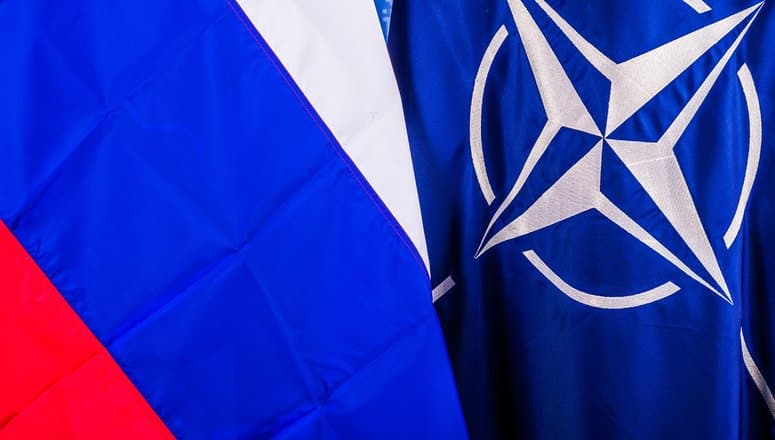
Ongoing Russia-Ukraine war drives NATO-Russia tensions without direct military clash, as Western arms like US ATACMS missiles—approved for strikes inside Russia last week—enable deeper Ukrainian attacks on Russian logistics, prompting Kremlin escalation warnings and nuclear saber-rattling from Putin. NATO Secretary-General Rutte affirmed Article 5 deterrence while stressing miscalculation risks, amid reports of North Korean troops bolstering Russian forces in Kursk. No ceasefire negotiations advance, with stalled diplomacy tied to territorial disputes. Key traders watch US post-election aid policy shifts, potential winter battlefield escalations, and NATO summits for signals of de-escalation or heightened sanctions.
基于Polymarket数据的AI实验性摘要 · 更新于$1,322,830 交易量
Mar 31, 2026
3月31日
1%
6月30日
10%
12月31日
22%
$1,322,830 交易量
3月31日
$495,794 交易量
1%
6月30日
$182,369 交易量
10%
12月31日
$14,417 交易量
22%
This market will resolve to "Yes" if there is a military encounter between the military forces of a NATO country and Russia between October 8, and March 31, 2026, 11:59 PM ET. Otherwise, this market will resolve to "No".
A "military encounter" is defined as any incident involving the use of force such as missile strikes, artillery fire, exchange of gunfire, or other forms of direct military engagement between NATO and Russian military forces. Non-violent actions, such as airspace violations, firing of warning shots (such as the June, 2021 Black Sea Confrontations between Russian forces and HMS Defender), or cyberattacks will not qualify.
Interception of missiles or other one-way attack or loitering munitions (e.g. Shahed drones) which are targeting a 3rd party other than the listed countries or their respective forces will not alone qualify. Shooting down UAVs which are not munitions (e.g. MQ-9, Orlan 10, Orion, Bayraktar TB2, etc.) will qualify.
Intentional physical collisions, including aerial interceptions and naval ramming without the direct use of weaponry, such as the 2023 Black Sea incident—where a Russian Su-27 damaged a U.S. MQ-9 Reaper drone's propeller, leading to its crash— will not qualify regardless of damage.
Military contractors will qualify only if confirmed to be operating under the direct command or coordination of the respective state’s armed forces (e.g. the Battle of Khasham would not qualify).
The resolution source for this market will be a consensus of credible reporting.This market will resolve to "Yes" if there is a military encounter between the military forces of a NATO country and Russia between January 12, and June 30, 2026, 11:59 PM ET. Otherwise, this market will resolve to "No".
A "military encounter" is defined as any incident involving the use of force such as missile strikes, artillery fire, exchange of gunfire, or other forms of direct military engagement between NATO and Russian military forces. Non-violent actions, such as airspace violations, firing of warning shots (such as the June, 2021 Black Sea Confrontations between Russian forces and HMS Defender), or cyberattacks will not qualify.
Interception of missiles or other one-way attack or loitering munitions (e.g. Shahed drones) which are targeting a 3rd party other than the listed countries or their respective forces will not alone qualify. Shooting down UAVs which are not munitions (e.g. MQ-9, Orlan 10, Orion, Bayraktar TB2, etc.) will qualify.
Intentional physical collisions, including aerial interceptions and naval ramming without the direct use of weaponry, such as the 2023 Black Sea incident—where a Russian Su-27 damaged a U.S. MQ-9 Reaper drone's propeller, leading to its crash— will not qualify regardless of damage.
Military contractors will qualify only if confirmed to be operating under the direct command or coordination of the respective state’s armed forces (e.g. the Battle of Khasham would not qualify).
The resolution source for this market will be a consensus of credible reporting.This market will resolve to "Yes" if there is a military encounter between the military forces of a NATO country and Russia between January 2, and December 31, 2026, 11:59 PM ET. Otherwise, this market will resolve to "No".
A "military encounter" is defined as any incident involving the use of force such as missile strikes, artillery fire, exchange of gunfire, or other forms of direct military engagement between NATO and Russian military forces. Non-violent actions, such as airspace violations, firing of warning shots (such as the June, 2021 Black Sea Confrontations between Russian forces and HMS Defender), or cyberattacks will not qualify.
Interception of missiles or other one-way attack or loitering munitions (e.g. Shahed drones) which are targeting a 3rd party other than the listed countries or their respective forces will not alone qualify. Shooting down UAVs which are not munitions (e.g. MQ-9, Orlan 10, Orion, Bayraktar TB2, etc.) will qualify.
Intentional physical collisions, including aerial interceptions and naval ramming without the direct use of weaponry, such as the 2023 Black Sea incident—where a Russian Su-27 damaged a U.S. MQ-9 Reaper drone's propeller, leading to its crash— will not qualify regardless of damage.
Military contractors will qualify only if confirmed to be operating under the direct command or coordination of the respective state’s armed forces (e.g. the Battle of Khasham would not qualify).
The resolution source for this market will be a consensus of credible reporting.This market will resolve to "Yes" if there is a military encounter between the military forces of a NATO country and Russia between September 23 and December 31, 2025, 11:59 PM ET. Otherwise, this market will resolve to "No".
A "military encounter" is defined as any incident involving the use of force such as missile strikes, artillery fire, exchange of gunfire, or other forms of direct military engagement between NATO and Russian military forces. Non-violent actions, such as airspace violations, firing of warning shots (such as the June, 2021 Black Sea Confrontations between Russian forces and HMS Defender), or cyberattacks will not qualify.
Interception of missiles or other one-way attack or loitering munitions (e.g. Shahed drones) which are targeting a 3rd party other than the listed countries or their respective forces will not alone qualify. Shooting down UAVs which are not munitions (e.g. MQ-9, Orlan 10, Orion, Bayraktar TB2, etc.) will qualify.
Intentional physical collisions, including aerial interceptions and naval ramming without the direct use of weaponry, such as the 2023 Black Sea incident—where a Russian Su-27 damaged a U.S. MQ-9 Reaper drone's propeller, leading to its crash— will not qualify regardless of damage.
Military contractors will qualify only if confirmed to be operating under the direct command or coordination of the respective state’s armed forces (e.g. the Battle of Khasham would not qualify).
The resolution source for this market will be a consensus of credible reporting.Ongoing Russia-Ukraine war drives NATO-Russia tensions without direct military clash, as Western arms like US ATACMS missiles—approved for strikes inside Russia last week—enable deeper Ukrainian attacks on Russian logistics, prompting Kremlin escalation warnings and nuclear saber-rattling from Putin. NATO Secretary-General Rutte affirmed Article 5 deterrence while stressing miscalculation risks, amid reports of North Korean troops bolstering Russian forces in Kursk. No ceasefire negotiations advance, with stalled diplomacy tied to territorial disputes. Key traders watch US post-election aid policy shifts, potential winter battlefield escalations, and NATO summits for signals of de-escalation or heightened sanctions.
This market will resolve to "Yes" if there is a military encounter between the military forces of a NATO country and Russia between October 8, and March 31, 2026, 11:59 PM ET. Otherwise, this market will resolve to "No".
A "military encounter" is defined as any incident involving the use of force such as missile strikes, artillery fire, exchange of gunfire, or other forms of direct military engagement between NATO and Russian military forces. Non-violent actions, such as airspace violations, firing of warning shots (such as the June, 2021 Black Sea Confrontations between Russian forces and HMS Defender), or cyberattacks will not qualify.
Interception of missiles or other one-way attack or loitering munitions (e.g. Shahed drones) which are targeting a 3rd party other than the listed countries or their respective forces will not alone qualify. Shooting down UAVs which are not munitions (e.g. MQ-9, Orlan 10, Orion, Bayraktar TB2, etc.) will qualify.
Intentional physical collisions, including aerial interceptions and naval ramming without the direct use of weaponry, such as the 2023 Black Sea incident—where a Russian Su-27 damaged a U.S. MQ-9 Reaper drone's propeller, leading to its crash— will not qualify regardless of damage.
Military contractors will qualify only if confirmed to be operating under the direct command or coordination of the respective state’s armed forces (e.g. the Battle of Khasham would not qualify).
The resolution source for this market will be a consensus of credible reporting.
A "military encounter" is defined as any incident involving the use of force such as missile strikes, artillery fire, exchange of gunfire, or other forms of direct military engagement between NATO and Russian military forces. Non-violent actions, such as airspace violations, firing of warning shots (such as the June, 2021 Black Sea Confrontations between Russian forces and HMS Defender), or cyberattacks will not qualify.
Interception of missiles or other one-way attack or loitering munitions (e.g. Shahed drones) which are targeting a 3rd party other than the listed countries or their respective forces will not alone qualify. Shooting down UAVs which are not munitions (e.g. MQ-9, Orlan 10, Orion, Bayraktar TB2, etc.) will qualify.
Intentional physical collisions, including aerial interceptions and naval ramming without the direct use of weaponry, such as the 2023 Black Sea incident—where a Russian Su-27 damaged a U.S. MQ-9 Reaper drone's propeller, leading to its crash— will not qualify regardless of damage.
Military contractors will qualify only if confirmed to be operating under the direct command or coordination of the respective state’s armed forces (e.g. the Battle of Khasham would not qualify).
The resolution source for this market will be a consensus of credible reporting.
市场开放时间: Oct 9, 2025, 3:54 PM ET
交易量
$1,322,830结束日期
Dec 31, 2026市场开放时间
Oct 9, 2025, 3:54 PM ETResolver
0x65070BE91...This market will resolve to "Yes" if there is a military encounter between the military forces of a NATO country and Russia between October 8, and March 31, 2026, 11:59 PM ET. Otherwise, this market will resolve to "No".
A "military encounter" is defined as any incident involving the use of force such as missile strikes, artillery fire, exchange of gunfire, or other forms of direct military engagement between NATO and Russian military forces. Non-violent actions, such as airspace violations, firing of warning shots (such as the June, 2021 Black Sea Confrontations between Russian forces and HMS Defender), or cyberattacks will not qualify.
Interception of missiles or other one-way attack or loitering munitions (e.g. Shahed drones) which are targeting a 3rd party other than the listed countries or their respective forces will not alone qualify. Shooting down UAVs which are not munitions (e.g. MQ-9, Orlan 10, Orion, Bayraktar TB2, etc.) will qualify.
Intentional physical collisions, including aerial interceptions and naval ramming without the direct use of weaponry, such as the 2023 Black Sea incident—where a Russian Su-27 damaged a U.S. MQ-9 Reaper drone's propeller, leading to its crash— will not qualify regardless of damage.
Military contractors will qualify only if confirmed to be operating under the direct command or coordination of the respective state’s armed forces (e.g. the Battle of Khasham would not qualify).
The resolution source for this market will be a consensus of credible reporting.This market will resolve to "Yes" if there is a military encounter between the military forces of a NATO country and Russia between January 12, and June 30, 2026, 11:59 PM ET. Otherwise, this market will resolve to "No".
A "military encounter" is defined as any incident involving the use of force such as missile strikes, artillery fire, exchange of gunfire, or other forms of direct military engagement between NATO and Russian military forces. Non-violent actions, such as airspace violations, firing of warning shots (such as the June, 2021 Black Sea Confrontations between Russian forces and HMS Defender), or cyberattacks will not qualify.
Interception of missiles or other one-way attack or loitering munitions (e.g. Shahed drones) which are targeting a 3rd party other than the listed countries or their respective forces will not alone qualify. Shooting down UAVs which are not munitions (e.g. MQ-9, Orlan 10, Orion, Bayraktar TB2, etc.) will qualify.
Intentional physical collisions, including aerial interceptions and naval ramming without the direct use of weaponry, such as the 2023 Black Sea incident—where a Russian Su-27 damaged a U.S. MQ-9 Reaper drone's propeller, leading to its crash— will not qualify regardless of damage.
Military contractors will qualify only if confirmed to be operating under the direct command or coordination of the respective state’s armed forces (e.g. the Battle of Khasham would not qualify).
The resolution source for this market will be a consensus of credible reporting.This market will resolve to "Yes" if there is a military encounter between the military forces of a NATO country and Russia between January 2, and December 31, 2026, 11:59 PM ET. Otherwise, this market will resolve to "No".
A "military encounter" is defined as any incident involving the use of force such as missile strikes, artillery fire, exchange of gunfire, or other forms of direct military engagement between NATO and Russian military forces. Non-violent actions, such as airspace violations, firing of warning shots (such as the June, 2021 Black Sea Confrontations between Russian forces and HMS Defender), or cyberattacks will not qualify.
Interception of missiles or other one-way attack or loitering munitions (e.g. Shahed drones) which are targeting a 3rd party other than the listed countries or their respective forces will not alone qualify. Shooting down UAVs which are not munitions (e.g. MQ-9, Orlan 10, Orion, Bayraktar TB2, etc.) will qualify.
Intentional physical collisions, including aerial interceptions and naval ramming without the direct use of weaponry, such as the 2023 Black Sea incident—where a Russian Su-27 damaged a U.S. MQ-9 Reaper drone's propeller, leading to its crash— will not qualify regardless of damage.
Military contractors will qualify only if confirmed to be operating under the direct command or coordination of the respective state’s armed forces (e.g. the Battle of Khasham would not qualify).
The resolution source for this market will be a consensus of credible reporting.This market will resolve to "Yes" if there is a military encounter between the military forces of a NATO country and Russia between September 23 and December 31, 2025, 11:59 PM ET. Otherwise, this market will resolve to "No".
A "military encounter" is defined as any incident involving the use of force such as missile strikes, artillery fire, exchange of gunfire, or other forms of direct military engagement between NATO and Russian military forces. Non-violent actions, such as airspace violations, firing of warning shots (such as the June, 2021 Black Sea Confrontations between Russian forces and HMS Defender), or cyberattacks will not qualify.
Interception of missiles or other one-way attack or loitering munitions (e.g. Shahed drones) which are targeting a 3rd party other than the listed countries or their respective forces will not alone qualify. Shooting down UAVs which are not munitions (e.g. MQ-9, Orlan 10, Orion, Bayraktar TB2, etc.) will qualify.
Intentional physical collisions, including aerial interceptions and naval ramming without the direct use of weaponry, such as the 2023 Black Sea incident—where a Russian Su-27 damaged a U.S. MQ-9 Reaper drone's propeller, leading to its crash— will not qualify regardless of damage.
Military contractors will qualify only if confirmed to be operating under the direct command or coordination of the respective state’s armed forces (e.g. the Battle of Khasham would not qualify).
The resolution source for this market will be a consensus of credible reporting.Ongoing Russia-Ukraine war drives NATO-Russia tensions without direct military clash, as Western arms like US ATACMS missiles—approved for strikes inside Russia last week—enable deeper Ukrainian attacks on Russian logistics, prompting Kremlin escalation warnings and nuclear saber-rattling from Putin. NATO Secretary-General Rutte affirmed Article 5 deterrence while stressing miscalculation risks, amid reports of North Korean troops bolstering Russian forces in Kursk. No ceasefire negotiations advance, with stalled diplomacy tied to territorial disputes. Key traders watch US post-election aid policy shifts, potential winter battlefield escalations, and NATO summits for signals of de-escalation or heightened sanctions.
This market will resolve to "Yes" if there is a military encounter between the military forces of a NATO country and Russia between October 8, and March 31, 2026, 11:59 PM ET. Otherwise, this market will resolve to "No".
A "military encounter" is defined as any incident involving the use of force such as missile strikes, artillery fire, exchange of gunfire, or other forms of direct military engagement between NATO and Russian military forces. Non-violent actions, such as airspace violations, firing of warning shots (such as the June, 2021 Black Sea Confrontations between Russian forces and HMS Defender), or cyberattacks will not qualify.
Interception of missiles or other one-way attack or loitering munitions (e.g. Shahed drones) which are targeting a 3rd party other than the listed countries or their respective forces will not alone qualify. Shooting down UAVs which are not munitions (e.g. MQ-9, Orlan 10, Orion, Bayraktar TB2, etc.) will qualify.
Intentional physical collisions, including aerial interceptions and naval ramming without the direct use of weaponry, such as the 2023 Black Sea incident—where a Russian Su-27 damaged a U.S. MQ-9 Reaper drone's propeller, leading to its crash— will not qualify regardless of damage.
Military contractors will qualify only if confirmed to be operating under the direct command or coordination of the respective state’s armed forces (e.g. the Battle of Khasham would not qualify).
The resolution source for this market will be a consensus of credible reporting.
A "military encounter" is defined as any incident involving the use of force such as missile strikes, artillery fire, exchange of gunfire, or other forms of direct military engagement between NATO and Russian military forces. Non-violent actions, such as airspace violations, firing of warning shots (such as the June, 2021 Black Sea Confrontations between Russian forces and HMS Defender), or cyberattacks will not qualify.
Interception of missiles or other one-way attack or loitering munitions (e.g. Shahed drones) which are targeting a 3rd party other than the listed countries or their respective forces will not alone qualify. Shooting down UAVs which are not munitions (e.g. MQ-9, Orlan 10, Orion, Bayraktar TB2, etc.) will qualify.
Intentional physical collisions, including aerial interceptions and naval ramming without the direct use of weaponry, such as the 2023 Black Sea incident—where a Russian Su-27 damaged a U.S. MQ-9 Reaper drone's propeller, leading to its crash— will not qualify regardless of damage.
Military contractors will qualify only if confirmed to be operating under the direct command or coordination of the respective state’s armed forces (e.g. the Battle of Khasham would not qualify).
The resolution source for this market will be a consensus of credible reporting.
交易量
$1,322,830结束日期
Dec 31, 2026市场开放时间
Oct 9, 2025, 3:54 PM ETResolver
0x65070BE91...Ongoing Russia-Ukraine war drives NATO-Russia tensions without direct military clash, as Western arms like US ATACMS missiles—approved for strikes inside Russia last week—enable deeper Ukrainian attacks on Russian logistics, prompting Kremlin escalation warnings and nuclear saber-rattling from Putin. NATO Secretary-General Rutte affirmed Article 5 deterrence while stressing miscalculation risks, amid reports of North Korean troops bolstering Russian forces in Kursk. No ceasefire negotiations advance, with stalled diplomacy tied to territorial disputes. Key traders watch US post-election aid policy shifts, potential winter battlefield escalations, and NATO summits for signals of de-escalation or heightened sanctions.
基于Polymarket数据的AI实验性摘要 · 更新于
警惕外部链接哦。
警惕外部链接哦。
常见问题